
The Big Match Revisited review: It's nice to wallow in nostalgia, but we shouldn't be fooled into thinking football was better in the 1970s
It's invidious to make comparisons, but at a time when the TV schedules are awash with World Cup 'action' and ITV are showing reruns of The Big Match from the 1970s, it’s difficult not to.
For any football fan of a certain vintage, The Big Match Revisited (ITV4, Sat/Sun, times vary) will invoke a heady rush of nostalgia for the terrace experience, for denim flares, and the half-remembered names from Panini sticker albums.
'Big' Dave Watson, Denis Tueart, Bryan 'Pops' Robson – memories of these players drift through your mind like wisps of hair floating free from Ralph Coates's combover.
ITV4 is currently re-running the series from the 1976-77 season, Saturday's edition featured a Second Division clash between Chelsea – then nearing promotion back to the top flight – and Sheffield United.
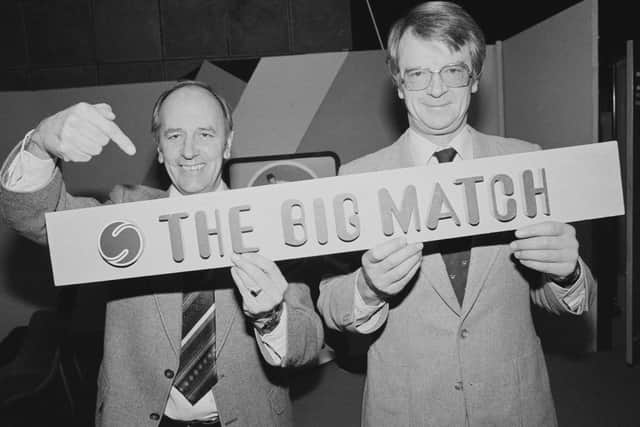

Here, we even get a glimpse inside the Chelsea dressing room before kick-off, The Big Match cameras being allowed inside the inner sanctum at Stamford Bridge.
Used to seeing the palatial surroundings of the new Wembley, or the Etihad, it comes as quite a shock to see the 1977 changing room – basically familiar to anyone who had PE lessons at the local comp, all slatted benches, dirty floors and a single peg each.
Ray Wilkins floats about with match shirt and orange sweatshirt on top, mum's bath towel below, covering his modesty.
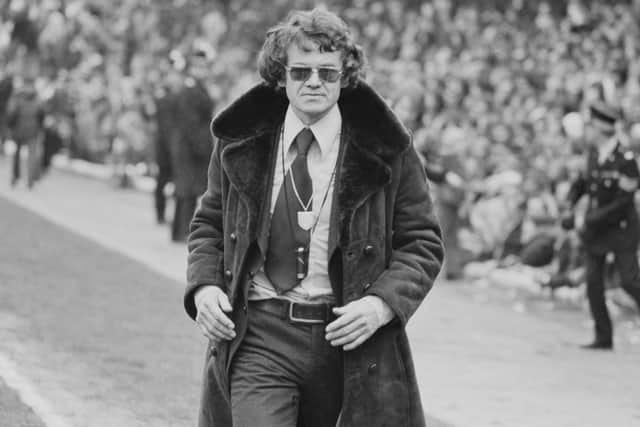
Manager Eddie McCreadie, flamboyantly dressed in huge sunglasses, fur-trimmed suede coat and medallion, explains his tactics on a chalkboard.
Meanwhile, young striker Tommy Langley sports a haircut which suggests it was done in the garden at his parents' home using a pudding basin.
Speaking of hairdressing, the Stamford Bridge pitch is a sort of ombre affair, running from deep green on the flanks, and gradually lightening through mud-brown to golden sand in the centre circle.
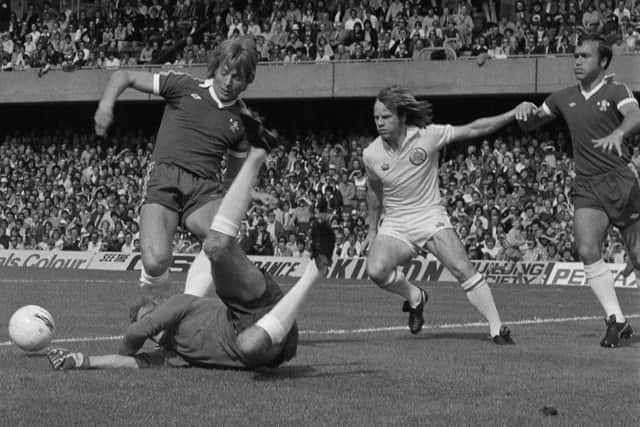
The match itself is a thriller, played out by teams including exotic names like Ron, Keith, and Frank, and featuring a worldie from Wilkins – a volley from 20 yards which flashes into the far corner past a bemused goalkeeper, who seems affronted that the Chelsea captain has even thought of doing such a thing.
Of course, the football fiesta across the pond is played on – for the most part – immaculate pitches which in theory, makes for better football.
Although given that every team seems to play in a very similar style, it can quickly get boring.
You know the sort of thing, inverted winger advances down the flank, checks, and passes back to his full-back, who passes square to the centre-back inside the centre circle. The ball eventually makes its way to the inverted winger on the other side, who advances down the flank, checks, and the whole process starts again in reverse.
So it's sometimes nice to wallow in the warm glow of our childhoods, when Ron 'Chopper' Harris and Emlyn Hughes were the idols of Shoot! magazine, and the big guy/small guy front two and getting it in the mixer was all the rage.
But nostalgia can be a dangerous thing.
For example, you see Ipswich's Mick Mills leaving Steve Heighway out cold on the Anfield pitch, in a bad-tempered match which saw the referee take no action for Mills' assault, yet book sub David Fairclough for coming on before he had been given permission.
The award of an Ipswich penalty, meanwhile, is followed by a lengthy search for the penalty spot which has been swallowed by the mud.
A pitch invasion follows Chelsea's 4-0 win, which virtually ensures their promotion and while it seems – in the main – good-natured, it's an uncomfortable reminder of the violence which accompanied many games in the 70s.
While there are swathes of empty terraces, fencing penning the remaining fans in, and crumbling stands with no cover.
Yes, the World Cup is corrupt, the players dive – sorry, make the most of the challenge – shirts are pulled and shinpads are ludicrously small. Prices are inflated and VAR has disrupted the game for no discernible advantage.
But The Big Match shows that LP Hartley was on the right track with that “the past is a foreign country, they do things differently there” business.
Football now is neither better nor worse than 1977, just different, and we should be careful about wishing we could turn back the clock.