
From cutting-edge scientific inventions like X-ray imaging to munitions factories that helped the nation turn the tide in the First World War, Leeds and its residents have had a profound impact on history.
Here, we look at 15 ways the city has changed the world.
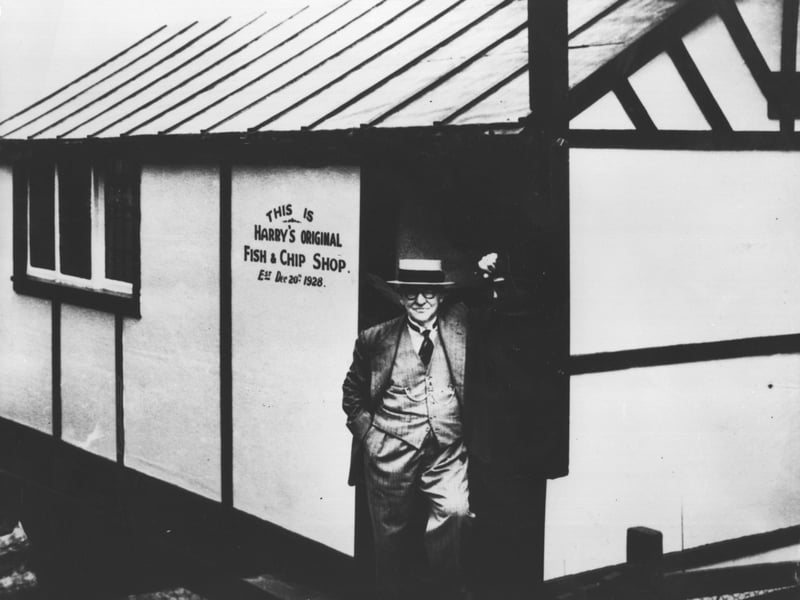
1. Harry Ramsden's
Famous fish and chip shop Harry Ramsden's has several outlets spread across the country. But the much-loved chippy had humble beginnings. It was first opened as a shop by Harry Ramsden in December 1928 at White Cross in Guiseley. | YPN Photo: YPN
2. Silver Cross prams
Nursery brand and baby pram creator Silver Cross was founded in Leeds. In 1877, Leeds man William Wilson invented its first baby pram. Its factory was based at Silver Cross Street in Hunslet, which led to the name. The last pram came off the production line at the factory in Guiseley before closing in November 2002. | YPN Photo: YPN
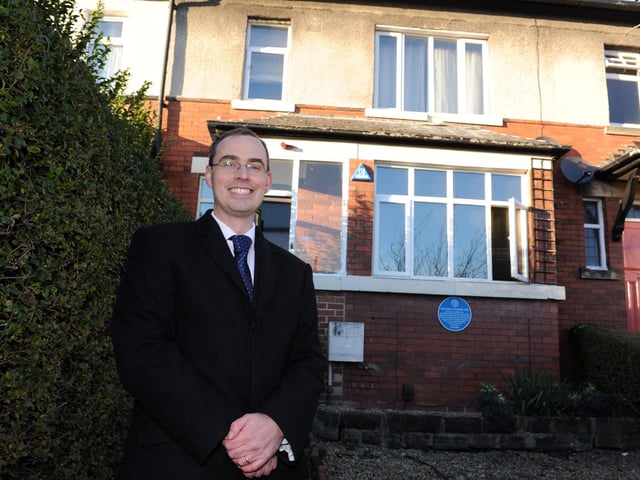
3. DNA discovery
In the late 1920s, University of Leeds biophysicist William T Astbury began carrying out work using X-rays to study molecular structures. Alongside his student in Leeds, Florence Bell, they took the first X-ray images of DNA. It was the first step towards the eventual 1953 discovery of the double-helical structure. Pictured is Prof Adam Nelson, from the University of Leeds, pictured in 2010 outside the former home of William Astbury on Kirkstall Lane. | Tony Johnson Photo: Tony Johnson
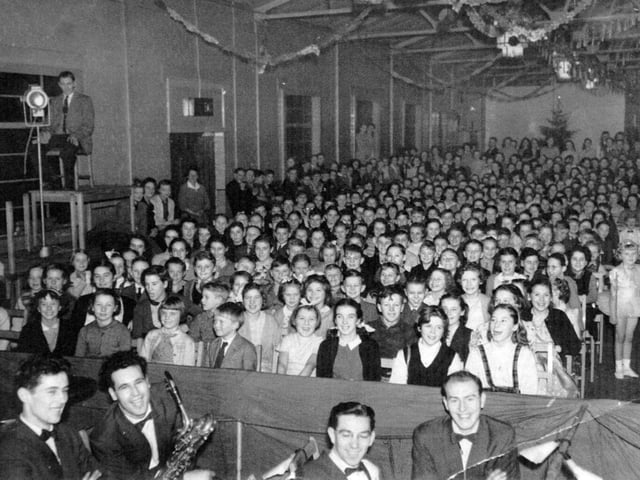
4. Barnbow
The First World War munitions factory, also known as National Filling Factory No.1, was based in Cross Gates in Leeds. The factory was opened to keep pace with demand for shells during the war, which were previously being filled at the Leeds Forge Company in Armley. The Barnbow site spanned 400 acres and almost of all its workforce was female. Pictured is a Christmas party in 1953, at the Barnbow Munitions Factory in Cross Gates. | YPN Photo: YPN
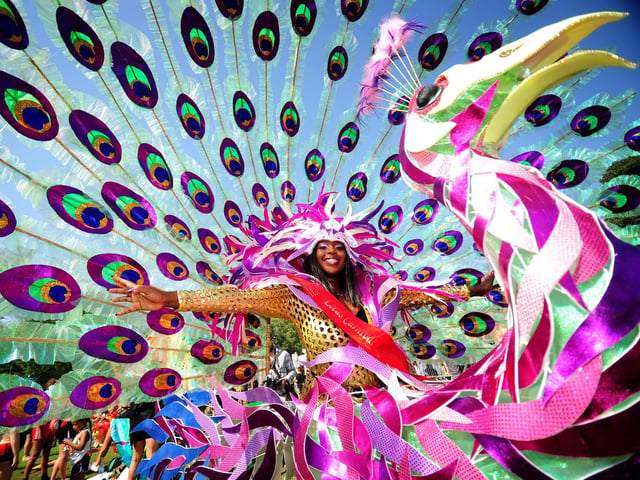
5. Leeds West Indian Carnival
The annual event and celebration of Caribbean culture, held in Chapeltown and Harehills, first took place in 1967. It is considered among the longest-running events of its kind in Europe and has been held every year since its inception, except for 2020 and 2021 owing to the outbreak of Covid-19. Pictured is Carnival Queen Tahiela Odain Hamilton in 2019. | Simon Hulme Photo: Simon Hulme
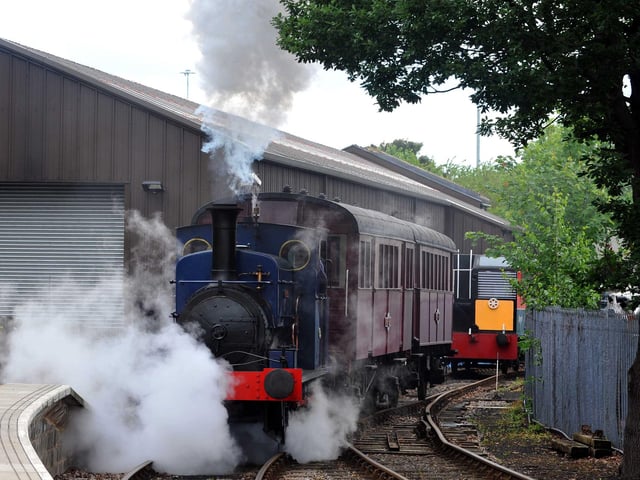
6. Steam locomotives
Leeds engineer Matthew Murray (1765-1826), together with John Blenkinsop, built the first commercially-viable steam locomotive in 1812, the twin cylinder Salamanca. The former Matthew Murray High School, in Holbeck, was named in his honour. Pictured is a Matthew Murray locomotive at Middleton Railway in 2012. | Mike Cowling Photo: Mike Cowling