
Barcodes: supermarket scanner staple may disappear after 50 years in favour of GS1's '2D' QR code labels

Millions of shoppers could see a familiar supermarket routine change, making weekly trips feel very different 🛒
- Traditional barcodes could be replaced by new QR-style codes in UK supermarkets
- Tesco and other retailers are testing 2D codes on fresh produce and meats
- Shoppers can scan codes for expiry dates, allergen info, and storage tips
- The new codes aim to reduce food waste and make checkout scanning easier
- GS1 urges UK stores to adopt the system by 2027, with wider rollout planned
A quiet but significant change could soon reshape supermarket shelves, and it may affect a familiar feature Yorkshire shoppers have relied on for more than 50 years.
The traditional barcode, first introduced in the 1970s, is now facing a gradual phase-out as major retailers trial a more advanced alternative designed to make shopping simpler, safer and more informative.
Supermarkets including Tesco have begun testing so-called “2D barcodes”, a new generation of square, QR-style codes on selected products in stores across the UK.
Items such as fresh fruit and veg and packaged meats are among the first to carry the updated labels, with a wider rollout expected in the coming years.
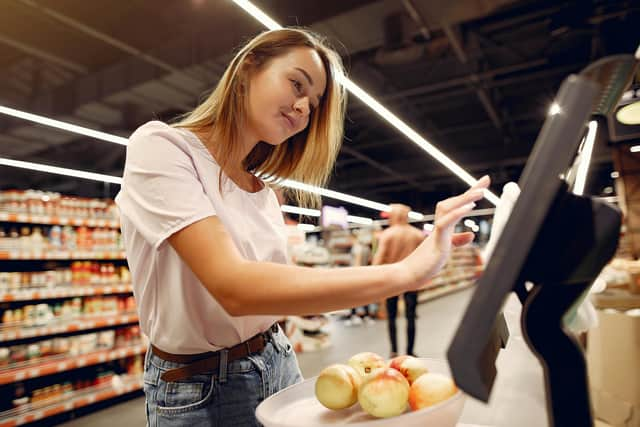

While the classic striped barcode has long been used solely for scanning items at the checkout, these new codes offer far more, and shoppers will be able to scan them using their smartphones to access detailed product information instantly.
That could include allergen advice, nutritional guidance and storage tips, as well as clearer, more visible expiry dates. For many shoppers, particularly those concerned about food safety, that added transparency may offer reassurance.
The change is also aimed at tackling a common and costly problem. More than half of shoppers admit to accidentally buying food past its best-before date, contributing to billions of pounds in avoidable waste each year.
The new system could help reduce this by flagging when items are close to expiring, and there are practical benefits at the checkout too.
The updated barcodes are designed to scan more easily than traditional labels, even if packaging is crumpled or damaged, something that could help cut down on delays and frustrations in store.
Behind the shift is GS1, the global organisation responsible for barcode standards, which is encouraging retailers to adopt the new technology by 2027.
Major international brands are already beginning to make the switch, signalling a broader industry move.
Looking further ahead, the technology could even link to smart home systems, helping shoppers track what food they have at home, suggesting recipes and alerting them when items need using up.
For now, the change is being introduced gradually, but for shoppers used to the familiar “beep” of a barcode scan, it marks the beginning of a new era at the supermarket checkout, one that could bring both convenience and a little less guesswork to the weekly shop.