
Contactless limit: new rules let UK banks change £100 tap to pay card payment limit - including Barclays, HSBC

Banks could soon let you tap to pay more than £100, but most are taking a cautious approach 💳
- New rules mean banks can now set their own contactless payment limits
- The £100 cap is no longer mandatory, but most banks are keeping it for now
- Lenders say they are reviewing the change and could raise limits in future
- Many banks already let customers lower their contactless limit or switch it off
- Strong fraud protections remain in place, with refunds for unauthorised use
Banks have quietly been handed the power to let you spend more with a simple tap of your card, but for now, most are choosing not to use it.
As of Thursday, March 19, new rules introduced by the Financial Conduct Authority (FCA) mean banks and payment providers can set their own contactless payment limits, potentially allowing transactions above the long-standing £100 cap.
The move marks a significant shift in how everyday payments could work in the UK, even if the immediate impact for consumers is minimal.
So what’s changed, why does it matter, and what are banks actually doing with their new freedom?
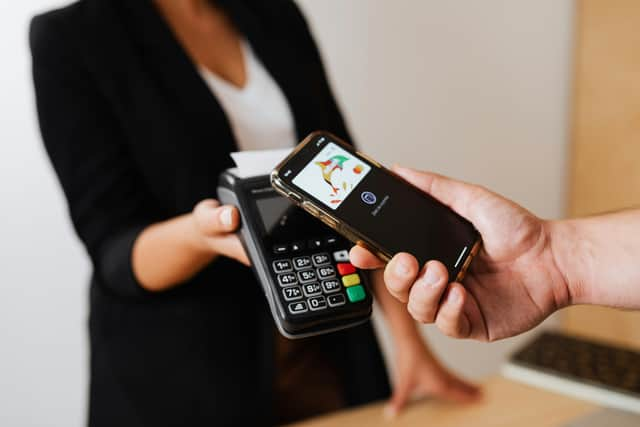

What’s changing?
Until now, the UK’s contactless payment limit has been centrally set, rising gradually over time, most recently to £100 in 2021. But under the new rules, that cap is no longer mandatory.
Instead, banks with robust fraud prevention measures can decide for themselves how high to set the limit, or even remove it entirely.
The FCA says the aim is to give firms more flexibility to respond to changing consumer behaviour, advances in payment technology, and the impact of inflation. But if you’re expecting to tap your card for a £250 shop any time soon, you may be waiting a while.
Despite the regulatory shift, Britain’s major banks are taking a cautious approach, with almost all confirming they are sticking with the £100 limit for the time being.
Many say they are “keeping the situation under review” and will inform customers if anything changes
That means that nothing has changed yet for most people, and you’ll still need to enter your PIN for purchases above £100 when paying with a physical card.
But the groundwork has been laid for future changes, and some banks are already giving customers more control in other ways.
The contactless rule change is part of a wider package of around 50 measures outlined by the FCA earlier this year to support economic growth.
By giving firms more flexibility, regulators hope to encourage innovation in payments and improve the overall customer experience.
Higher contactless limits could speed up transactions, reduce the time you spend at checkouts, and better reflect rising prices, but banks are likely to move slowly, balancing convenience with caution.
What are banks already doing?
While higher maximum limits may be some way off, a more immediate and consumer-friendly change has already taken hold.
Several banks now allow customers to lower their contactless limit, or switch the feature off entirely, through their mobile banking apps. For example:
- NatWest customers can adjust their limit below £100 or disable contactless altogether
- Santander users can set limits in £5 increments
- Lloyds, Halifax and Bank of Scotland customers can choose their own cap up to £100
- Barclays customers can also set their own limit within the app
- TSB and Nationwide offer similar controls
Digital “challenger” banks have gone even further. Starling lets users slide their limit anywhere between £0 and £100, while Monzo customers can easily toggle contactless on or off and adjust limits in-app.
Contactless has gone from a novelty to the default method for in-store purchases in less than a decade, and acording to Barclays data, 94.6% of eligible in-store card transactions were contactless in 2024, a tenfold increase in monthly usage compared with 2015.
Figures from UK Finance show contactless accounted for 67% of credit card and 76% of debit card transactions by the end of 2025. And despite the high £100 cap, most people don’t come close to using it; the average contactless payment is just under £18.
Are the changes safe?
If higher limits do arrive, they will inevitably raise concerns about fraud, especially if a card is lost or stolen.
But the FCA has made it clear that strong fraud controls are a condition of any changes, and banks will need to demonstrate that they can manage the risks before increasing limits.
Importantly, existing consumer protections remain unchanged, and if your card is used fraudulently without your permission, you should be refunded.
There are also built-in safeguards already in place, and even with contactless, you’ll occasionally be asked to enter your PIN after a certain number of transactions or once a cumulative spending threshold is reached.
For larger payments, mobile wallets, which use biometric authentication such as fingerprint or facial recognition, already allow higher spending securely.