
Contactless payments: major FCA change to UK tap to pay card limit coming soon - what is the new limit?

Soon, UK shoppers could spend more with a simple contactless tap 💳
- UK contactless card limit of £100 per transaction is being removed from Thursday, March 19
- Banks can now set their own single-transaction limits or let customers choose their own
- The FCA says changes aim to reflect evolving technology, consumer habits, and inflation
- Shoppers will enjoy more convenience but should stay vigilant and monitor transactions for security
A major shake-up in the way UK shoppers pay at tills is set to begin this week, and it could change your daily spending habits.
The Financial Conduct Authority (FCA) has announced new rules that will effectively remove the nationwide contactless card limit, giving banks and payment providers more flexibility, and customers more choices.
What’s changing on contactless payments?
Until now, physical contactless cards in the UK have been capped at £100 per transaction. Go over that limit, and you need to enter your chip and PIN to complete the payment.
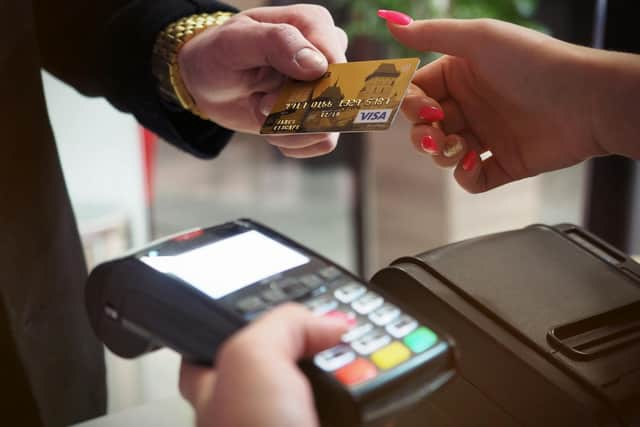

But from Thursday, March 19, these caps are being scrapped for banks and payment providers with strong fraud controls.
Firms can now set their own single-transaction limits, or let customers choose their own limits or turn off contactless payments entirely.
Each bank will decide if and when it will adjust its limits, so changes won’t necessarily happen everywhere immediately.
Why are the rules being relaxed?
The FCA says the changes are designed to allow banks to respond to changing consumer demands, technological developments, and inflation.
Contactless payments have become the dominant way people pay, with Barclays reporting that 94.6% of eligible in-store card transactions were contactless in 2024.
Nicola Morgan, a financial services expert at Confused.com, explains: “For many consumers, contactless is already the easiest way to pay, as it allows you to make quick purchases without entering a PIN.
“From this Thursday, the nationwide £100 cap will be removed, meaning banks will be able to set their own contactless limits and in some cases allow customers to choose a limit that suits them.”
Will removing the limit be risky?
Higher contactless limits can be convenient, but they also come with security considerations, and Morgan says that banks will still implement protections such as fraud monitoring and occasional PIN checks for larger transactions.
If you plan to increase your contactless limit, here are some practical steps to stay secure:
- Check your bank’s fraud protection: Understand what’s covered and how quickly you can get refunds for unauthorised payments.
- Set a personal limit: Choose a contactless limit that reflects your typical spending habits.
- Use mobile wallets: Paying with your phone often adds fingerprint or facial recognition for extra security.
- Turn off contactless if you don’t need it: Many banking apps let you switch off the feature at any time.
- Monitor your account regularly: Checking your transactions frequently helps you spot anything unusual quickly.
How will it affect everyday shoppers?
For many, the change means more flexibility at the checkout, and for example, you could pay for larger items with a simple tap of your card or phone, reducing the need for cash or repeatedly entering your PIN.
But it also means shoppers must stay vigilant, especially if they decide to set higher limits on their accounts.
By understanding the options your bank offers and taking small steps to secure your account, you can enjoy the convenience of contactless payments without compromising on safety.