
DWP payment date change: when will UK benefit payments be paid in April 2026 with Easter bank holidays?

An earlier-than-usual payday could help now, but may leave budgets stretched later 💷
- The Easter bank holidays will shift some DWP and HMRC payment dates in April 2026
- Payments due on April 3 and April 6 will be made early on April 2
- Most major benefits, including Universal Credit and State Pension, are affected
- No action is needed, but the change may mean a longer gap until the next payment
- Claimants are urged to plan ahead to avoid a tighter budget later in the month
Millions of people across the UK who receive benefits from the Department for Work and Pensions (DWP) and HM Revenue and Customs (HMRC) will see changes to their payment dates this Easter.
With two bank holidays falling at the start of April, some payments will arrive earlier than usual.
While this can be helpful in the short term, it may also affect how long your money needs to last.
Here’s everything you need to know to help you be aware of the change and plan accordingly, so an early payment doesn’t lead to a tighter squeeze later in the month.
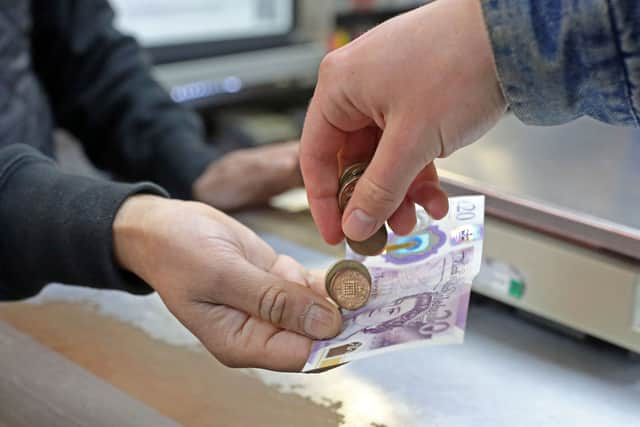

When are the Easter bank holidays in 2026?
In 2026, the Easter bank holidays in England and Wales fall on Friday, April 3 (Good Friday), and Monday, April 6 (Easter Monday).
These are official public holidays, meaning banks, government offices, and many services are closed. Because of this, benefit payments cannot be processed on these dates.
How do bank holidays affect benefit payments?
When a benefit payment is due on a bank holiday, it is usually paid early, rather than delayed.
The general rule followed by both DWP and HMRC is that payments are issued on the last working day before the bank holiday.
This ensures claimants still receive their money without interruption. For Easter 2026, this creates a small but important shift in payment timing.
Which dates are affected in April 2026?
Only payments scheduled for the bank holidays themselves are affected.
- If your payment is due on Friday, April 3 (Good Friday), you’ll be paid on Thursday, April 2
- If your payment is due on Monday, April 6 (Easter Monday), you’ll also be paid on Thursday, April 2
This means some people will receive their benefits up to four days earlier than expected. Payments scheduled for any other date in April will remain unchanged.
Which benefits will be paid early?
The change applies to most regular payments made by the DWP, including:
- Attendance Allowance
- Carer’s Allowance
- Disability Living Allowance (DLA)
- Pension Credit
- Personal Independence Payment (PIP)
- State Pension
- Universal Credit
HMRC payments follow the same pattern. For example, Child Benefit payments due on April 6 will also be brought forward to April 2.
In short, if your normal payment date falls on one of the Easter bank holidays, you can expect to be paid early.
Do you need to take any action?
No, the change happens automatically. You don’t need to contact the DWP or HMRC, and your payment amount will stay exactly the same. The only difference is the date the money arrives in your account.
That said, it’s still worth checking your usual payment schedule so you’re not caught off guard by the earlier date.
Is there a downside to being paid early?
While getting your money sooner can feel like a bonus, there is an important catch: your next payment date will not move. This means the gap between payments may be longer than usual.
For example, if you’re paid on April 2 instead of April 6, your next payment will still follow your normal cycle. As a result, you may need to stretch that money over a few extra days.
For people on tight budgets, this can make a difference, particularly if bills or regular expenses fall later in the month.