
Energy bills: the hidden reasons Yorkshire household bills spike in January - and 5 easy ways to cut them

This article contains affiliate links. We may earn a small commission on items purchased through this article, but that does not affect our editorial judgement.
Cold weather, long nights and everyday habits can quietly push household costs higher at the start of the year 🔥
- January is when Yorkshire households typically see the biggest spike in energy bills
- Older homes across the region lose heat quickly during the coldest months
- Longer days at home and heavier heating use push costs up further
- Much of the extra spending comes from avoidable heat loss and inefficiency
- Simple, low-cost changes can help keep warmth in and bills under control
January is often the month when Yorkshire households feel their finances creak the loudest.
Christmas has drained the bank balance, daylight is in short supply, and the heating is rarely off. But it’s also the point in the year when homes across the county quietly leak more money than at any other time, largely through wasted energy.
Why January hits Yorkshire homes especially hard
For many Yorkshire properties, the problem isn’t just high prices. It’s how much heat is escaping, how hard boilers are working, and how habits shift during the coldest weeks of winter.
Yorkshire’s housing stock plays a big role. From Victorian terraces in Leeds and Sheffield, to stone-built cottages in the Dales and older semis across towns like York, Huddersfield and Doncaster, many homes were built long before modern insulation standards existed.

Solid walls, suspended timber floors and draughty lofts mean heat can escape quickly. Add in colder average winter temperatures, particularly in rural and upland areas, and boilers end up running for longer just to maintain a comfortable indoor temperature.
January also brings behavioural changes. People are home more after the festive period, working from home resumes, and shorter days mean lights and appliances are used for longer. Even small inefficiencies are magnified when energy use is at its peak.
The result? Higher bills that can feel sudden and unavoidable, even though much of the cost is preventable.
The biggest ways homes lose heat (and money)
Heat loss tends to come from a few predictable places:
- Lofts and roofs, where warm air rises and escapes if insulation is thin or uneven
- Walls, especially solid walls common in older Yorkshire homes
- Draughts around doors, windows and floorboards
- Inefficient heating controls, meaning rooms are heated when they don’t need to be
But the good news is that tackling these doesn’t always require major spending.
Simple, practical ways to stop the leaks
Seal the obvious gaps: Draught-proofing is one of the cheapest fixes and can make an immediate difference. Letterbox brushes, door snakes, adhesive window seals and chimney balloons can all be installed in minutes and cost very little. In older terraces, blocking gaps between floorboards can noticeably reduce cold air coming up from below.
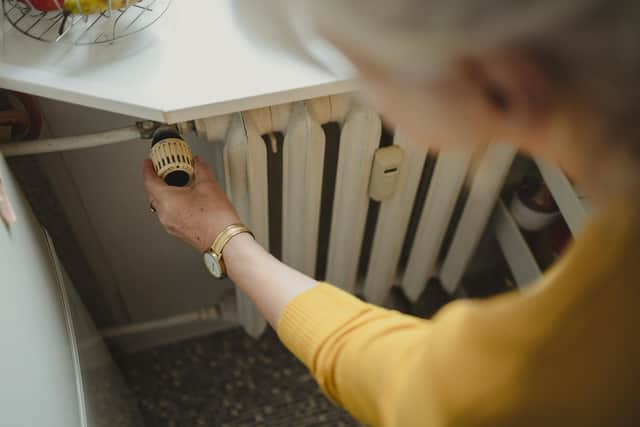
Use heating controls properly: Many households still heat the entire home all day. Turning the thermostat down by just 1°C can shave a noticeable amount off annual bills. Using timers to heat the home only when it’s occupied, and shutting radiator valves in unused rooms, can also cut waste.
Bleed radiators and check boiler pressure: Radiators that are cold at the top are less efficient, forcing the boiler to work harder. Bleeding them once or twice a year is simple and free. Checking boiler pressure is equally straightforward and helps systems run more efficiently during heavy winter use.
Make the most of curtains and doors: Thick curtains kept closed at dusk can reduce heat loss through windows. Internal doors should be closed in the evening to keep warmth where it’s needed most, particularly in homes with long hallways or stairwells.
Don’t ignore small upgrades: LED bulbs, smart plugs and reflective radiator panels behind external walls won’t transform a home overnight, but together they can reduce energy use during the most expensive months.
Looking beyond January
While January exposes the problem, it can also be a useful wake-up call. Households that use the winter to identify cold spots, high bills and inefficiencies are better placed to act when spring arrives, whether that’s topping up loft insulation, upgrading heating controls or exploring grants and schemes later in the year.
For Yorkshire homes, stopping money from leaking out isn’t about suffering through the cold. It’s about making small, sensible changes that keep warmth in, and bills under control, when they matter most.

With household expenses continuing to rise and energy bills still higher than pre-crisis levels, more people are turning to Utility Warehouse (UW) to save money. UW lets you bundle services like broadband, mobile, energy and insurance into one streamlined account—reducing hassle while unlocking multi-service discounts. The more you bundle, the more you save.
Customers benefit from a single monthly bill, up to £400 towards early exit fees, and access to cashback on everyday spending. UW also offers the UK’s cheapest variable energy tariff when bundled, helping shield households from further price hikes.