
Energy Price Cap: new October 2025 Ofgem increase brings higher UK gas and electricity bills – take this step

This article contains affiliate links. We may earn a small commission on items purchased through this article, but that does not affect our editorial judgement.
Bills are climbing as the cold sets in, but one quick check could stop you paying more than necessary ❄️
- The energy price cap rose by 2% on October 1, adding £35 a year to typical bills
- Households on variable tariffs are urged to submit meter readings to avoid overpaying
- Missing a reading risks suppliers estimating usage at the new, higher October rates
- Energy debt is already rising sharply, with charities warning of record arrears
- Some fixed deals are cheaper than the new cap, so shopping around could save money
Millions of UK households face higher energy costs from October 2025, but there’s one simple step you can take today that could stop you from being charged more than you should.
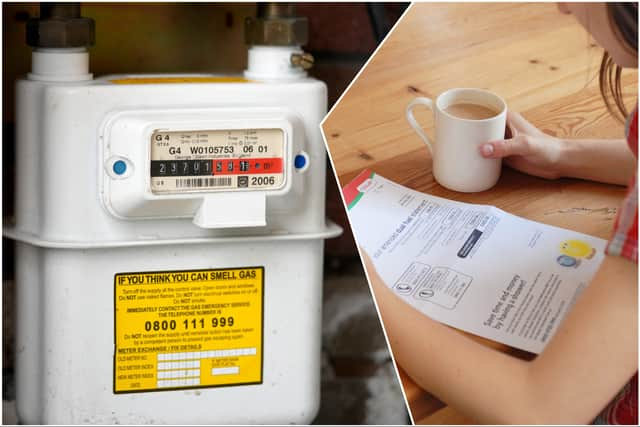
If you’re on a standard variable energy tariff, experts are urging you to submit your meter readings as soon as possible, in order to lock in the lower pre-October rates for the energy you’ve already used.
If you don’t, your supplier may estimate your usage, and that could mean paying more at the new, higher prices.
With bills set to rise just as the colder weather arrives, this small action could make a big difference to your household budget.

What’s happening with the price cap?
On October 1, the energy price cap – the maximum unit price suppliers can charge households on standard tariffs – rose by around 2%.
For a typical household paying by direct debit, that means an increase in annual costs from £1,720 to £1,755. While £35 extra a year may not sound dramatic, consumer groups warn the timing is particularly difficult.
Energy debt is already at record levels, with charity StepChange reporting a 32% rise in arrears among its clients over the past two years. For many households already struggling, even a modest rise adds to mounting pressure.
Emily Seymour, Energy Editor at Which?, said: “As we head into colder weather, many households will be concerned about the energy price cap going up.
“If you’re on a variable tariff, submit a meter reading before the change – otherwise you risk paying the higher rate for energy you’ve already used.”
How the energy price cap works
The energy price cap was introduced in 2019 to protect households from unfairly high bills. It doesn’t cap your total bill, but instead limits the maximum price per unit of gas and electricity suppliers can charge.
The cap is reviewed every three months by the regulator Ofgem, based largely on wholesale energy prices and costs faced by suppliers. If wholesale prices fall, the cap can come down; if they rise, households pay more.
Currently, the cap applies to around 7 million households who haven’t switched to a fixed-rate deal.
Importantly, the cap doesn’t guarantee you the cheapest tariff. Some fixed deals now available are cheaper than the new October rates, so shopping around could be worthwhile.
Why meter readings matter today
If your household has a traditional meter (not a smart meter), your supplier relies on either your submitted readings or their own estimates to calculate how much energy you’ve used.
If you don’t provide an up-to-date reading before the new price cap kicks in:
- Your supplier may assume more of your usage happened in October than it really did.
- That means you could be charged at the higher October rates for energy actually consumed in September.
- Submitting a reading today ensures your usage is split fairly – protecting you from overpaying.
According to Uswitch, the average home on a standard tariff will spend around £140 on energy in October, up from £63 in September – a combination of higher unit rates and increased autumn usage.
That makes it even more important to pay the correct price for September energy before the new cap begins.
But the rise in the cap isn’t just about unit costs. Standing charges – the fixed daily fees paid to keep your home connected – will also rise: up 4% for electricity and 14% for gas.
This adds around 7p a day to bills, driven in part by government policy changes around the Warm Home Discount scheme.
On the plus side, the government has expanded the £150 Warm Home Discount to cover more than 6 million households, including around 900,000 families with children.
What you should do now
- Submit your gas and electricity readings as soon as possible if you don’t have a smart meter.
- Check if you qualify for support such as the Warm Home Discount or grants from your supplier.
- Shop around – some fixed deals are now cheaper than the new cap.
- Seek help early – if you’re worried about arrears, charities like StepChange and Citizens Advice can support you.
Experts have been suggesting submitting your meter readings before midnight on September 30, but even if you missed that deadline, it’s still worth sending in your readings as soon as possible.
Backdating is possible, and suppliers often take the most recent meter reading and use it to estimate your usage backwards.
If you provide a reading now, they’ll have a more accurate picture of how much energy you actually used before and after the price cap change, rather than relying on estimates.
The longer you leave it, the bigger the potential gap between estimated and actual usage, so submitting a reading now minimises that risk.
The one caveat: if you only submit a reading in early October, it may not completely “split” your September/October usage as neatly as if you’d done it on the 30th.
But it still gives your supplier far better data than nothing at all, and can still save you money compared to leaving them to estimate.
It’s also a good idea to get into the habit of submitting regular meter readings if you don’t have a smart meter, which can stop suppliers carrying forward incorrect estimates into future bills.
Are you struggling to make ends meet as costs continue to rise? You can now send your stories to us online via YourWorld at yourworld.net/submit. It's free to use and, once checked, your story will appear on our website and, space allowing, in our newspapers.

With household expenses continuing to rise and energy bills still higher than pre-crisis levels, more people are turning to Utility Warehouse (UW) to save money. UW lets you bundle services like broadband, mobile, energy and insurance into one streamlined account—reducing hassle while unlocking multi-service discounts. The more you bundle, the more you save.
Customers benefit from a single monthly bill, up to £400 towards early exit fees, and access to cashback on everyday spending. UW also offers the UK’s cheapest variable energy tariff when bundled, helping shield households from further price hikes.