
Energy price cap: UK households warned of £288 July 2026 bill rise amid Iran conflict - are prices going up?

This article contains affiliate links. We may earn a small commission on items purchased through this article, but that does not affect our editorial judgement.
Yorkshire families are bracing for a squeeze as wholesale energy costs threaten household budgets ⚡
- Yorkshire households could see energy bills rise by £288 a year from July
- The increase is linked to soaring wholesale gas and electricity prices caused by the Iran conflict
- Ofgem’s energy price cap for dual-fuel homes may reach £1,929 this summer
- Bills will fall by 7% in April thanks to government green levy cuts, but the July rise could wipe out those savings
- Government ministers are monitoring the situation and may offer targeted support if costs continue to climb
Households across Yorkshire could be facing a fresh energy bill shock this summer, with forecasts suggesting costs may climb by as much as £288 a year from July.
The latest projections from Cornwall Insight indicate that Ofgem’s price cap could rise to £1,929 for a typical dual-fuel household between July and September.
That would mark an 18% jump on April’s level, driven largely by surging wholesale gas and electricity prices linked to instability in the Middle East.
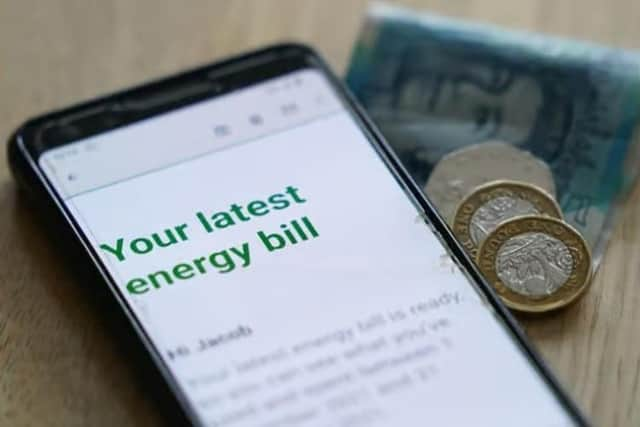

What is the energy price cap?
The energy price cap is a limit set by energy regulator Ofgem on the maximum amount suppliers can charge households for standard gas and electricity tariffs.
Its aim is to protect consumers from sharp spikes in energy bills by ensuring prices reflect wholesale costs, network charges, and government levies, rather than letting suppliers set unlimited rates.
The cap is reviewed and updated every few months, so it can go up or down depending on market conditions.
The energy price cap doesn’t set a fixed total bill for households, and your total bill still depends on how much energy you actually use.
So, if you use more electricity or gas than average, your bill can still be higher than the cap’s “typical household” figure, even though the per-unit cost is capped. On the other hand, using less energy means your total bill could be lower.
Why are energy bills set to rise again?
While this forecast is slightly lower than earlier estimates of £1,973, analysts say the direction of travel is clear.
A brief easing in wholesale markets helped by a pause in energy infrastructure strikes and tentative ceasefire signals in the region has softened the outlook marginally, but the underlying pressure on prices remains.
Crucially, the spike in wholesale costs seen throughout March has already been “locked in” to the upcoming cap calculation. As a result, experts warn that a July increase is now “effectively unavoidable”, even if markets stabilise in the coming weeks.
The predicted rise would come just months after households see bills fall by 7% from April 1, bringing average annual costs down to £1,641.
That reduction was partly driven by the Government’s decision to remove green levies, a move it said would save households around £150 a year.
But any sense of relief may prove short-lived, and if July’s increase goes ahead as expected, it would more than reverse the recent drop, leaving many households paying significantly more by late summer.
Will summer weather soften the blow?
There is one small consolation in the timing of the predicted increase, as energy use typically dips during warmer months, meaning the immediate hit to household budgets may be less severe than a winter increase.
But analysts warn this could be the calm before a more serious storm, and if higher wholesale prices persist, attention will quickly turn to the next cap update in October, when colder weather drives up demand and bills tend to peak.
Could government support be on the way?
That scenario could reignite calls for government intervention, and ministers have already signalled they are preparing for that possibility.
Energy consumers minister Martin McCluskey said the Government is monitoring the situation closely and would step in if needed, saying that supporting households through the ongoing cost-of-living pressures remains a top priority.
With Ofgem set to confirm the next price cap on Wednesday, May 27, households across Yorkshire will be watching closely, and bracing for what could be another unwelcome rise.

With household expenses continuing to rise and energy bills still higher than pre-crisis levels, more people are turning to Utility Warehouse (UW) to save money. UW lets you bundle services like broadband, mobile, energy and insurance into one streamlined account—reducing hassle while unlocking multi-service discounts. The more you bundle, the more you save.
Customers benefit from a single monthly bill, up to £400 towards early exit fees, and access to cashback on everyday spending. UW also offers the UK’s cheapest variable energy tariff when bundled, helping shield households from further price hikes.