
Home Responsibilities Protection: State Pension error may owe thousands over £5,000 back - how to claim

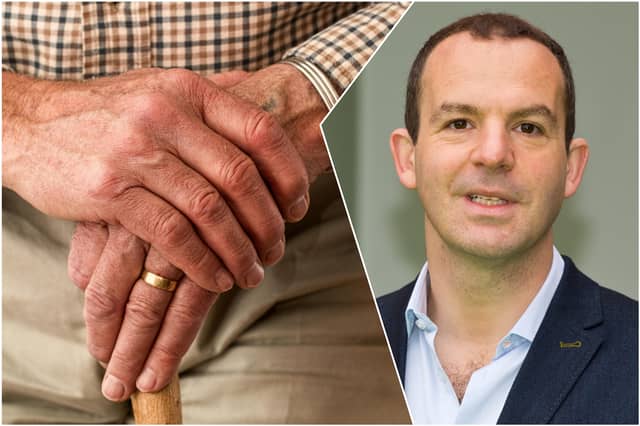

Thousands risk missing out on State Pension top-ups due to a government error 👀
- People who took time off work to care for children or family between 1978 and 2010 may be owed thousands in missing State Pension payments
- A government error meant many didn’t receive Home Responsibilities Protection (HRP) credits, reducing their National Insurance record and pension amount
- Martin Lewis warns the government has stopped proactively contacting those affected
- On average, underpayments are worth around £5,000, but some have received backpayments exceeding £30,000
- Those who suspect they’re affected should check their State Pension forecast on gov.uk
People who took time off work to care for children or family between 1978 and 2010 are being urged by Martin Lewis to check if they’re owed thousands in missing State Pension payments — with some reclaiming more than £30,000 in backpay.
The MoneySavingExpert founder has warned that a government error, which went unnoticed for decades, could be depriving hundreds of thousands of a State Pension boost worth an average of £5,000.
But most of those affected haven’t been contacted, and time is running out to claim what they’re owed.
What’s the issue?
The error centres on Home Responsibilities Protection (HRP), a government scheme that ran from 1978 to 2010.
It was supposed to protect the State Pensions of people — mostly mothers — who claimed Child Benefit or cared for someone long-term ill or disabled.
HRP gave people National Insurance (NI) ‘credits’ for the years they weren’t working due to caring duties. These credits count towards their State Pension entitlement.
But due to government record-keeping failures, around 194,000 people never received those credits, meaning their NI records are incomplete and their State Pensions lower than they should be.
Speaking on his podcast, Martin Lewis gave a blunt warning: “This is an important heads-up for women aged 40 to 90, particularly those in their 60s and 70s.
“If you looked after children or a disabled person between 1978 and 2010, you were likely meant to get HRP. But many didn’t — and while the government was trying to contact people, it’s now stopped doing so.”
Although HMRC sent over 370,000 letters to people it believed could be affected, uptake was poor. According to the Department for Work and Pensions (DWP), only 12,379 underpayments were corrected in 2024/25.
Due to the low response rate and “challenging” nature of correcting the error, the Government has scaled back the compensation programme.
Originally, it earmarked £1.2 billion to repay affected pensioners — but this has now been slashed to just £29.8 million, suggesting most people may never see the money they’re owed.
Former pensions minister Sir Steve Webb has criticised the DWP’s failure to fix the problem, calling the campaign a “dismal failure”.
“The vast majority affected are women — some underpaid for decades or who even died before being paid the correct pension,” he said. “The government’s admission that most won’t get their money is shameful.”
How to check if you’re owed money
You could be eligible if:
- You were born between roughly 1930 and 1970 (aged 50+ now)
- You claimed Child Benefit or cared for someone full-time between 1978 and 2010
- You have gaps in your National Insurance record
- You’re getting less than the full State Pension (currently £221.20 a week)
To find out:
- Visit gov.uk/check-state-pension to view your forecast
- Check if you have gaps in your NI contributions
- See if those gaps fall between 1978–2010, when you were a stay-at-home parent or unpaid carer
- If so, you can apply to backdate your HRP credits
You can also contact the HMRC National Insurance helpline on 0300 200 3500.
Are you struggling to make ends meet as costs continue to rise? You can now send your stories to us online via YourWorld at yourworld.net/submit. It's free to use and, once checked, your story will appear on our website and, space allowing, in our newspapers.