
Inflation: why UK inflation ONS rate rose in December 2025 – and what does CPI rise news mean for your money?

A festive bump in travel and food costs has fed through to household budgets 🎄
- UK inflation rose to 3.4% in December, ending six months of steady falls
- Higher food prices, tobacco duty hikes and Christmas travel pushed costs up
- Supermarket price relief may be slowing, with staples still getting more expensive
- Mortgage and loan rates could stay higher for longer as rate cuts look less certain
- But rent increases showed signs of easing, offering some relief for tenants
Inflation picked up again in December, reversing months of steady falls and offering a reminder that the cost-of-living squeeze hasn’t fully gone away yet.
According to the Office for National Statistics (ONS), Consumer Prices Index (CPI) inflation rose to 3.4% in December, up from 3.2% in November. It’s the first increase in six months, although the rate was slightly lower than economists had expected.
The jump was driven largely by seasonal pressures, particularly Christmas travel, alongside higher tobacco duties and rising food prices.
While the headline figures can feel abstract, this rise has real implications for household budgets, from supermarket shops to borrowing costs and rents.
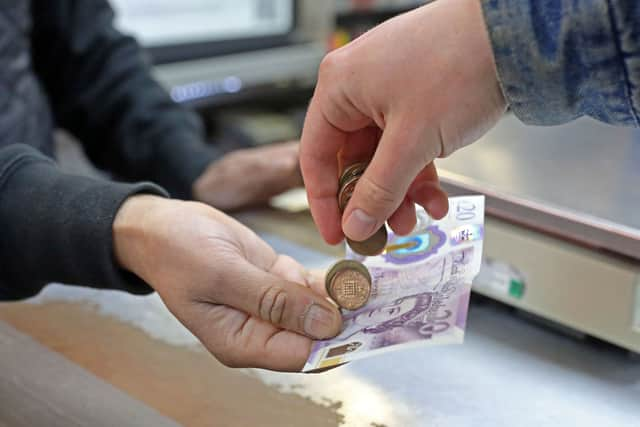

What it means for prices in the shops
For shoppers, this means price relief in supermarkets may be slowing. Food and non-alcoholic drink prices rose by 0.8% in just one month, with staples such as bread, cereals and vegetables among the biggest contributors.
On an annual basis, food inflation climbed to 4.5%, suggesting that everyday essentials are still becoming noticeably more expensive, even if the pace of increases is far lower than during the peak of the cost-of-living crisis.
Travel costs were another major factor. Air fares surged by nearly 29% in December, reflecting high demand during the festive period and school holidays.
While flight prices often fall back in January, the spike highlights how seasonal spending can still push inflation higher, particularly for families travelling at peak times.
What it means for mortgages and loans
So what does this mean for loans and mortgages? Inflation matters because it heavily influences the Bank of England’s decisions on interest rates. A modest rise like this is unlikely to trigger immediate action, but it does complicate the case for rapid rate cuts.
For homeowners and borrowers, that could mean mortgage rates staying higher for longer than hoped, especially for those coming to the end of fixed-rate deals in 2025. Personal loans and credit cards are also likely to remain expensive in the short term.
What it means for renters
There was some better news for renters. The ONS noted that rent inflation eased slightly in December, helping offset some of the broader price rises.
That doesn’t mean rents are falling, but it does suggest the pace of increases may be starting to cool, a potential relief for tenants who have faced steep rises over the past two years.
When will inflation ease?
Looking ahead, much will depend on whether December proves to be a temporary bump or the start of a new upward trend. Seasonal pressures should ease in the early months of the year, but food prices, transport costs and global energy markets remain key risks.
Inflation is far below its recent peak, but it’s not yet beaten. Budgeting remains important, especially with borrowing costs still high and everyday essentials creeping up in price. The direction of travel is better, just bumpier than many had hoped.