
Inflation: UK rate rises to 3.8%, what is it, and what does it mean for mortgages, borrowing, and spending?

This article contains affiliate links. We may earn a small commission on items purchased through this article, but that does not affect our editorial judgement.
Households face pricier food, fuel and travel as experts warn the squeeze could drag into 2026 ✈️
- UK inflation rose to 3.8% in July, higher than expected and the highest since January
- Air fares, petrol and food prices were the biggest drivers of the rise
- Mortgage holders face little chance of lower repayments as interest rates stay high
- Borrowers will see continued expensive credit and loan costs
- Households are warned to brace for higher living costs into 2026
Inflation in the UK has risen faster than economists expected, putting more strain on households already battling higher borrowing costs and rising food prices.
The latest figures from the Office for National Statistics (ONS) show that Consumer Prices Index (CPI) inflation rose to 3.8% in July, up from 3.6% in June.
That’s higher than the 3.7% most experts had forecast, and keeps inflation stuck at its highest level since January.
While far below the double-digit highs seen in 2022, the jump is an unwelcome reminder that the cost of living crisis isn’t over, and it has direct implications for your money.
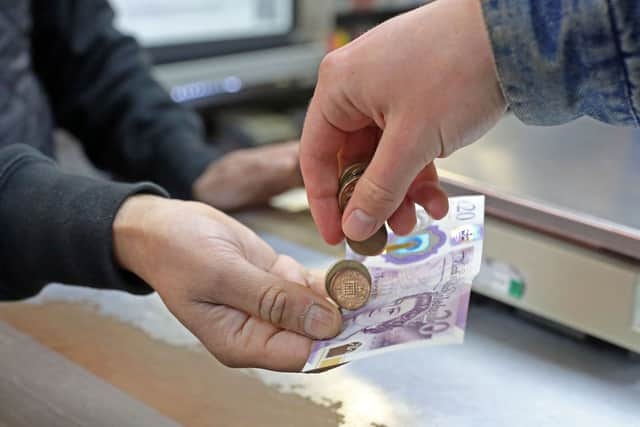

What is inflation?
Inflation is the rate at which the prices of goods and services rise over time. Put simply, it means your money doesn’t stretch as far as it used to.
For example, if inflation is 4%, something that cost £1 last year will cost about £1.04 this year. A little inflation is normal in a healthy economy, but when it’s high, it makes shopping, bills and borrowing more expensive.
What’s driving prices higher?
The biggest culprit last month was travel. Families booking summer holidays pushed air fares up by more than 30% between June and July, the steepest July increase since records began in 2001.
Petrol and diesel prices also climbed, with petrol up 2p a litre and diesel nearly 3p. Food inflation also continues to squeeze household budgets.
Prices for everyday staples such as coffee, fresh juice, chocolate and meat rose, pushing annual food and drink inflation up to 4.9%, the highest level since February.
Restaurants, hotels and overnight stays also became more expensive as demand spiked during the school holidays.
There were some small bright spots: prices for clothing, footwear, butter, cheese and olive oil eased slightly. But the overall trend remains upwards.
What it means for homeowners and mortgage holders
For homeowners, the inflation figures matter because they shape Bank of England policy. The Bank’s target is to keep inflation at 2%, and with the rate now almost double that, the prospect of interest rate cuts remains slim.
Most analysts believe the Bank will hold rates at their current high level for the rest of 2025. That means mortgage borrowers are unlikely to see lower repayments any time soon.
Those on variable-rate deals will continue to feel the pinch, while people coming to the end of fixed-rate terms may face significantly higher monthly bills when they remortgage.
Higher interest rates also keep pressure on renters, as landlords pass on their own increased costs.
What it means for borrowers
For anyone with loans, overdrafts or credit card balances, the persistence of inflation means borrowing stays expensive.
The cost of unsecured debt is closely tied to the Bank of England’s base rate, and with little sign of rates being cut in the near term, borrowers should expect interest charges to remain elevated.
If you’re carrying balances month to month, it’s worth prioritising repayments where possible, especially on credit cards with double-digit interest rates.
What it means for everyday spending
The impact is most visible in the weekly shop and daily expenses. Households are facing higher prices not just on food, but also on travel, hotel stays and petrol.
Even small rises add up: a couple of pence more per litre at the pump can mean an extra £1 or £2 per fill-up, while higher hotel and restaurant prices can push summer holidays and nights out further out of reach.
Retail groups warn that inflation is still eating into family budgets. The British Retail Consortium said food inflation has jumped by almost two percentage points in just four months, describing it as a “key driver” behind rising bills at the till.
What happens next?
Chancellor Rachel Reeves has admitted there is “more to do to ease the cost of living.” She pointed to measures such as raising the minimum wage, extending the £3 bus fare cap, expanding free school meals, and rolling out free breakfast clubs nationwide.
But for many households, the immediate reality is that everyday essentials remain stubbornly expensive, while pay packets struggle to keep pace.
The Bank of England expects inflation to edge up again to around 4% in September before it finally starts to ease.
But economists warn that inflation will likely stay above 3% until at least spring 2026, keeping household finances under pressure for the foreseeable future.
That means the squeeze isn’t over yet. Homeowners, borrowers and shoppers alike should brace for a long haul and continue to budget carefully, shop around for better deals, and plan ahead for higher-than-usual living costs.
Are you struggling to make ends meet as costs continue to rise? You can now send your stories to us online via YourWorld at yourworld.net/submit. It's free to use and, once checked, your story will appear on our website and, space allowing, in our newspapers.

With household expenses continuing to rise and energy bills still higher than pre-crisis levels, more people are turning to Utility Warehouse (UW) to save money. UW lets you bundle services like broadband, mobile, energy and insurance into one streamlined account—reducing hassle while unlocking multi-service discounts. The more you bundle, the more you save.
Customers benefit from a single monthly bill, up to £400 towards early exit fees, and access to cashback on everyday spending. UW also offers the UK’s cheapest variable energy tariff when bundled, helping shield households from further price hikes.