
Petrol prices: will local UK fuel prices go down, why price of oil is surging, what you can do - Fuel Finder

Rising global oil costs are hitting household budgets 💸
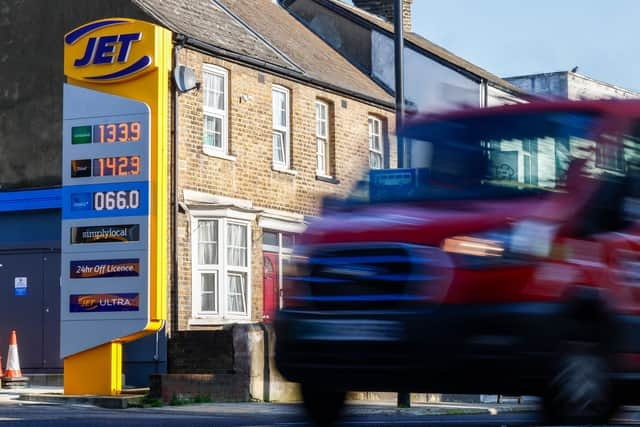
- Petrol is up around 10p a litre, and diesel has jumped 20p since the Iran conflict escalated
- Rising costs are driven by global oil prices and supply risks through the Strait of Hormuz.
- Government meetings with major retailers have called for fair pricing and warned against profiteering
- Drivers are advised to shop around, use Fuel Finder, and reduce unnecessary trips to save
For drivers across Yorkshire, filling up the family car has suddenly become noticeably more expensive.
Petrol and diesel prices have climbed sharply in recent weeks, squeezing household budgets already stretched by rising living costs.
But what’s behind the jump, and what, if anything, is being done to help motorists at the pump?

How much have prices risen?
According to recent figures from motoring groups, the average price of petrol in the UK has jumped significantly since tensions in the Middle East flared up, particularly following the escalation of conflict involving Iran.
Petrol is now roughly 10p a litre higher than before the situation intensified, while diesel has climbed around 20p a litre in the same timeframe.
The average cost of a litre of unleaded petrol was around 142p, and diesel averaged 162p a litre, levels that are putting extra pressure on drivers, especially those who do a lot of miles for work or live in rural areas with limited access to public transport.
For a typical 55‑litre diesel tank, that can translate to nearly £11 more than motorists were paying just weeks earlier.
Why are prices rising?
The main driver of the increase is global oil prices, which have recently been sitting above $100 (£75) a barrel, a level not seen consistently since 2022.
The UK doesn’t set wholesale oil costs, instead, the price drivers pay is heavily influenced by global oil markets. When tensions flare in major oil‑producing regions, markets react to the perceived risk to supply.
A key factor in the current situation is disruption around the Strait of Hormuz, a crucial maritime route through which a large proportion of the world’s oil is transported.
Iran’s involvement in increased regional tensions has caused traders to price in higher risk and, in turn, higher costs for crude oil feeding through to higher wholesale fuel prices and, ultimately, the prices seen at forecourts.
Are retailers to blame?
As prices have risen, politicians and motoring bodies have clashed over who is responsible for the increases.
Chancellor Rachel Reeves has repeatedly argued that fuel retailers have a “shared obligation” to keep prices fair for motorists and has warned against “unfair practices” that could see companies profiteering from the crisis.
A government meeting at Downing Street brought together senior figures from major oil companies and petrol retailers, including operators from Asda, BP, ExxonMobil and Shell, to discuss rising pump prices.
Energy Secretary Ed Miliband said that the Government would not tolerate pricing behaviour that exploited the situation at the expense of consumers.
But some industry representatives, most notably from the Petrol Retailers Association (PRA), pushed back, saying critical language from ministers had led to abuse against forecourt workers and misrepresented how the fuel market operates.
The PRA said its members are often operating on extremely tight margins and that price movements mainly reflect underlying changes in wholesale costs.
What is the Government doing to help?
The Government has outlined several measures designed to support motorists and improve transparency around pricing:
- Monitoring and enforcement: Ministers have urged the Competition and Markets Authority (CMA) to monitor fuel pricing closely and intervene if there’s evidence of unjustified price hikes. The watchdog has warned retailers that it is stepping up scrutiny and may require more detailed reporting of pricing and sales data.
- Fuel Finder scheme: Officials are encouraging drivers to use the Fuel Finder price comparison tool, which allows consumers to check petrol and diesel prices at different stations nationwide, helping them find the cheapest available fuel in their area.
- Cost‑of‑living conversations: Government leaders have pledged ongoing talks with fuel companies to ensure prices reflect market conditions fairly, and have made it clear that consumer protection is a priority.
While ministers insist they “stand ready to provide whatever support is needed,” they have also made it clear that the UK is not facing a supply shortage — only a price issue driven by global markets.
Calls for further action
Despite these steps, some, including the AA and opposition politicians, have called for more direct relief.
Suggestions have included delaying planned increases in fuel duty, a tax imposed on every litre sold, to ease pressure on motorists.
These proposals have sparked debate, with critics arguing that tax cuts would benefit higher earners more and potentially undermine environmental targets.
What drivers can do now
For the average driver feeling the pinch, experts say the most effective short‑term action is simple:
- Shop around — don’t automatically fill up at the nearest station.
- Use price comparison tools like Fuel Finder.
- Consider whether you can reduce unnecessary trips or combine journeys to save fuel.