
Train tickets: UK rail fares may rise 5.8%, leaving commuters facing hundreds more on season and flexi trains

Commuters could face higher costs as Britain’s trains struggle with delays and disruptions 🚆
- Regulated train fares could rise by 5.8% in 2026, adding hundreds to annual costs
- An annual Woking to London season ticket may jump by £247 to £4,507
- Flexi tickets such as Liverpool to Manchester could rise by £120, hitting £2,195 a year
- The rise comes as train punctuality hits its worst level since 2020
- Passenger groups warn it is unfair to charge more while services decline
Rail passengers could be hit with fare increases of almost 6% next year, adding hundreds of pounds to the cost of annual season tickets, even as train punctuality slides to its worst levels in more than five years.
The potential hike stems from July’s inflation figures, with the Office for National Statistics confirming that the Retail Price Index (RPI) rose to 4.8%.
Historically, the Government has used the previous July’s RPI figure to help set the cap on regulated fares the following year.
This year, ministers added an extra percentage point, making the 2024 rise 4.6% against 3.6% inflation. If the same formula is applied for 2026, passengers would see fares increase by 5.8%.
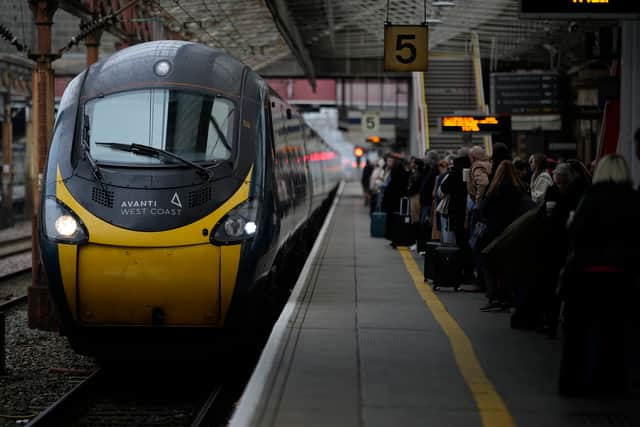

How much more will my train ticket cost?
For commuters, the numbers are stark. An annual season ticket from Woking to London could jump by £247, pushing the cost up to £4,507.
Travellers using flexible passes also face big rises. A flexi season ticket between Liverpool and Manchester for two days a week would cost £120 more, taking the yearly total to £2,195.10.
10 examples of potential rail fare rises in England:
Annual season tickets
| Route | Previous price | Price after 5.8% rise | Increase |
| Bournemouth to Southampton | £3,676 | £3,889 | £213 |
| Gloucester to Birmingham | £5,384 | £5,696 | £312 |
| Whitehaven to Carlisle | £2,508 | £2,653 | £145 |
| Woking to London | £4,260 | £4,507 | £247 |
| York to Leeds | £3,028 | £3,204 | £176 |
Flexi tickets for travel two days per week over a year
| Route | Previous price | Price after 5.8% rise | Increase |
| Bath Spa to Bristol Temple Meads | £1,056 | £1,117.20 | £61.20 |
| Cambridge to London | £4,620 | £4,888 | £268 |
| Ipswich to Peterborough | £4,947.60 | £5,234.60 | £287 |
| Liverpool to Manchester | £2,074.80 | £2,195.10 | £120.30 |
| Welwyn Garden City to London | £2,029.20 | £2,146.90 | £117.70 |
With around 45% of train fares regulated by governments in Westminster, Scotland and Wales, the increase would affect millions of passengers. Northern Ireland’s rail system (NI Railways) is separate, so fares there are not affected by the UK-wide RPI-linked rise.
Regulated fares include most commuter season tickets, some long-distance off-peak returns, and flexible tickets for city travel.
Unregulated fares – such as advance purchase and first-class tickets – are set by train operators, but usually track closely to regulated increases because of government influence.
The prospect of passengers paying more comes as train reliability deteriorates. Problems range from staffing shortages to weather-related disruption.
In the south of England, recent dry spells have caused clay soil embankments to crack, leaving tracks uneven and forcing trains to slow down.
According to the Office of Rail and Road, only 66.7% of services reached their stops within a minute of schedule in the year to July 19, the worst punctuality since May 2020.
The Department for Transport (DfT) has not yet confirmed exactly how 2026 fares will be set, but passenger groups say it would be unacceptable to demand more money for worse services. A DfT spokesperson said an update will come later this year.
Ben Plowden, chief executive of Campaign for Better Transport, said: “Today’s inflation figure could mean a big fare rise for rail passengers next year, especially if the Government decides to go with an above-inflation increase like we saw this year.”
“With the railways now moving under public control, the question is how fares policy will make rail more affordable and attractive to use.”
Britain’s railways are undergoing sweeping changes, with private operators gradually being brought back under state control as contracts expire.
The upcoming Great British Railways (GBR) body will oversee infrastructure, fares and operations, with ministers promising a more passenger-focused system.
For now, commuters are left with the prospect of paying hundreds more for tickets, while hoping punctuality and reliability start to improve.
If you have a food and drink story to share with us, we’d love to hear from you. You can now send your stories to us online via YourWorld at yourworld.net/submit. It's free to use and, once checked, your story will appear on our website and, space allowing, in our newspapers.