
Water bills going up: UK water bills set to rise again, including Yorkshire Water, with help on the way - news

This article contains affiliate links. We may earn a small commission on items purchased through this article, but that does not affect our editorial judgement.
Households are being asked to pay more after years of disruption 💧
- Average household water bills will rise by 5.4% from April, adding around £33 a year
- Some regions face much steeper increases, with bills rising by up to 13% in places
- Water firms say the extra money is needed for pipes, supplies and sewage upgrades
- Bill rises come after last year’s sharp increase, leaving many households stretched
- Complaints about affordability are rising, despite expanded support schemes
From April 2026, millions of households will see their water bills rise again, with the average bill increasing by 5.4%.
For a typical household, that works out at around £33 extra a year, on top of last year’s steep jump.
The increase has been confirmed by the water industry and is around two percentage points above inflation.
Water companies say the extra money is needed to fund major investment in ageing pipes, water supplies and sewage systems, but many customers remain sceptical after years of disruption, pollution and rising bills.
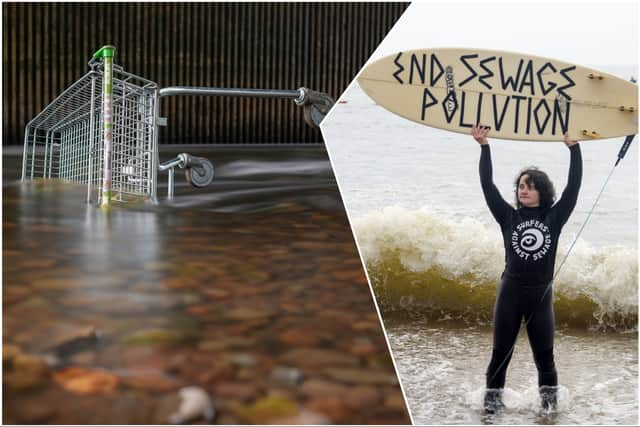

Why are bills going up?
Water companies are preparing to spend around £20 billion over 2026-27 on upgrades, including measures to secure drinking water supplies and reduce sewage being discharged into rivers and seas.
Public anger over sewage spills has intensified in recent years, with many questioning why customers are being asked to pay more after decades of underinvestment.
Regulator Ofwat has already approved bill rises of up to 36% between 2025 and 2030. A large chunk of that increase, around 20%, or £86 a year for the average household, was front-loaded into last April’s rise, meaning many customers are still feeling the shock.
How much more will you pay?
While the national average rise is 5.4%, the actual increase depends on where you live. Some households will be hit much harder than others:
- Severn Trent customers face an average rise of 10%
- Sutton and East Surrey customers will see bills rise by 11%
- Bristol Water bills are going up by 12%
- Affinity Water customers in the central region are facing rises of around 13%
For comparison’s sake, Yorkshire Water customers can expect their bills to rise by an average of 6%, taking the typical annual bill to £636.
Is there any protection for customers?
Water UK, which represents the industry, says money raised through bills can only be used for infrastructure projects that have been independently approved as necessary and good value.
It also points to a “money-back guarantee”, meaning customers should be refunded automatically if companies fail to deliver promised improvements.
More than two million households currently receive help through social tariffs, the WaterSure scheme and other affordability measures.
This support is expected to expand to an extra 300,000 households over the next year, with average discounts of around 40% off bills.
Ofwat says it has doubled the amount of support companies must make available for struggling customers and expects more than eight million homes to have water meters installed by April 2027, helping people better manage usage and costs.
Why are complaints rising?
The Consumer Council for Water (CCW) says complaints about water companies jumped 51% in 2025, driven largely by affordability concerns and frustration over last year’s sharp increase.
Complaints specifically about affordability have almost tripled in the past year. While the CCW says customers broadly support investment to improve services, it warns people are “impatient for change” and want clear proof their money is being well spent.
Campaigners have gone further, arguing that bill payers are being forced to cover the cost of historic failures while companies continue to service debt and pay dividends.

With household expenses continuing to rise and energy bills still higher than pre-crisis levels, more people are turning to Utility Warehouse (UW) to save money. UW lets you bundle services like broadband, mobile, energy and insurance into one streamlined account—reducing hassle while unlocking multi-service discounts. The more you bundle, the more you save.
Customers benefit from a single monthly bill, up to £400 towards early exit fees, and access to cashback on everyday spending. UW also offers the UK’s cheapest variable energy tariff when bundled, helping shield households from further price hikes.