
Charity running local hospice reveals two-thirds fear forgetting the voices and faces of people who died
Almost two thirds (62%) of bereaved people said they are worried about forgetting what the person they are grieving for looked or sounded like.
The survey, from the palliative care and bereavement charity, Sue Ryder, which operates Sue Ryder Wheatfields Hospice in Headingley, highlights how memories, including photos, videos and music play a role in grief.
The new data is being released as part of the charity’s campaign, Back for a Moment, which aims to reach more bereaved people who need support.
Supporting the campaign Sue Ryder ambassadors, Lisa Riley and Lottie Tomlinson, have released a new film sharing the memories and keepsakes which bring them comfort in their grief following the death of their mothers.

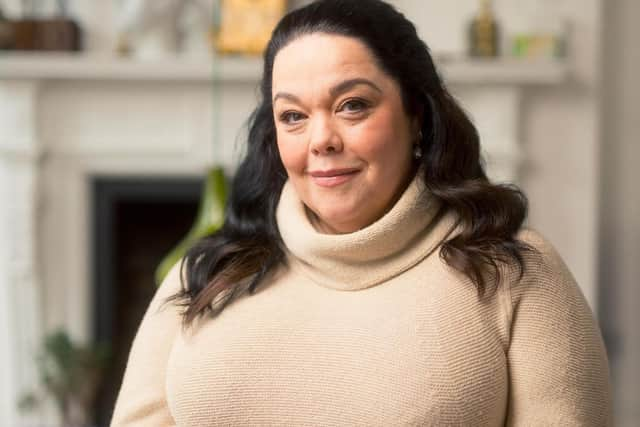
TV star and Emmerdale actress Lisa Riley, whose mum Cath died of cancer in 2012, says: “We all deal with grief in such individual ways. For me, what works best is music. When I put a record on that reminds me of my mum, it's like a safety blanket. It makes me feel better.”
Sue Ryder, along with Riley and Tomlinson, is urging people who need grief support to search “Grief Deserves Better” and access its free bereavement services.
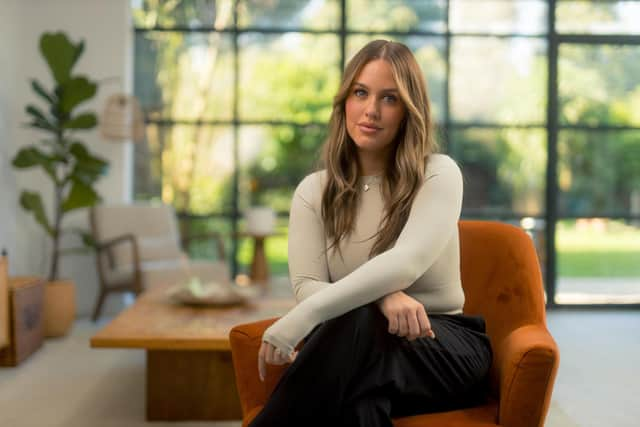
Digital creator, entrepreneur and author Lottie Tomlinson, whose mother Johannah died from Leukaemia in 2016 added:“If you’re grieving, you have moments where you feel lonely because the person you're grieving is not there. I would encourage people to open up - it’s so beneficial to talk and offload everything that you're dealing with to someone who’s trying to help you. That could be a family member or friend, or looking to other support, such as Sue Ryder’s Online Bereavement Community.”
Music creates powerful connections
Music was also found to play a powerful role in the grieving process, with three-quarters (76%) listening to songs that remind them of a person who has died. However, nearly a quarter of people who do not do this (23%) avoid listening to certain songs because it is too painful.
Generational differences in memories
The research also revealed generational differences in how people remember those who have died. Younger people tend to be more digital in their grieving - among 25-34-year-olds, 42% re-read old text messages or WhatsApp chats from the person who died, compared to just 17% of those over 55. In contrast, older generations favour physical mementoes, with 73% of people over 55 displaying printed photos of their loved one, significantly more than the 43% of 16-24-year-olds who do the same.
Isolation in grief
Despite the comfort that memories can provide, the research also reveals the scale of emotional isolation that comes with grief. A staggering 88% of bereaved people say they feel alone in their grief.
Additionally, around 1 in 8 people (13%), equating to as many as 427,00 people a year, do not receive enough support while grieving - whether from their personal network, online resources, or professional services.
James Sanderson, Chief Executive at Sue Ryder says: “People tell us that they feel alone in their grief because those around them don’t know what to say, so often, they say nothing. We want to break the taboos around talking about grief, so we encourage people to start conversations by asking, ‘How do you like to remember the people in your life who have died?’
"It is a simple question but it is one that people who are grieving tell us they want to be asked as it helps to keep their memory alive. And from there you can lead on to ask, ‘how can I be the best support to you?’ It’s an opener to a wider, really important exchange. Together we can make sure no one faces grief alone.”
"For anyone who isn’t sure where to turn for help, Sue Ryder offers a range of free bereavement support. We urge anyone who needs help to search ‘Grief Deserves Better’, whether you're grieving yourself or supporting someone who is.”
Sue Ryder offers a range of free online grief support, including an online community and in-person Grief Kind Spaces. Search ‘Grief Deserves Better’ or visit sueryder.org/GriefDeservesBetter