
Leeds daughter's 400-mile round trip to care for mum 'due to a lack of help'
Like 50 per cent of Brits, Christine Bell - from Leeds - thought she would never become a carer.But when her mum suffered a fall, she faced a grueling 400-mile round-trip to look after her.She said there wasn't enough help available. Now a social enterprise, The Carents Room, has launched to help support the UK's 4m 'hidden' carers who look after elderly relatives.
A YORKSHIRE woman has revealed how she ended up making a 400-mile round-trip to care for her beloved mum – despite having never expected to become a carer.
Christine Bell, from Leeds, has revealed the physical and emotional “strain” caring for mum Beryl took on her, amid calls to do more for the four million Brits who find themselves caring for elderly relatives.
Dubbed ‘carents’, they are the largest carer cohort in the UK and are often middle-aged children who either have to juggle caring with their careers – or give them up completely.
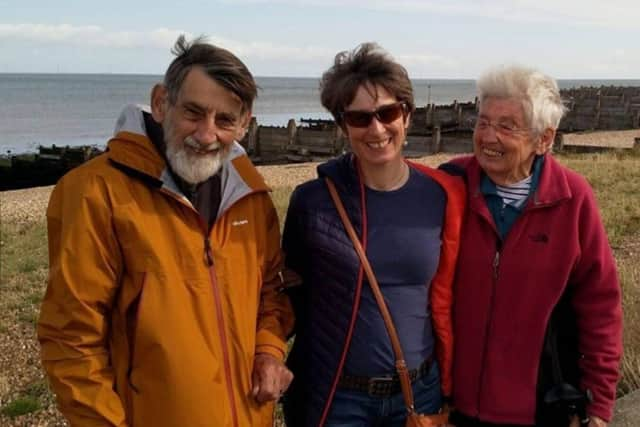

And the number of carents is forecast to soar in the coming years due to the UK’s rapidly aging society.
For Christine, the role was sprung on her after Beryl fell down the stairs at home two-and-a-half years ago, she unexpectedly found herself routinely making a 400-mile round trip from her West Yorkshire home to take on caring duties.
“If you’d said to me five years ago that I’d have been a carer, I’d have said no,” admits Christine, who was among the 50 per cent of British adults who believe they’ll never need to care for someone.
Yet many millions of future carents are potentially sleepwalking into the role due to common misconceptions about who is responsible for caring for older relatives in later life and what that really entails.
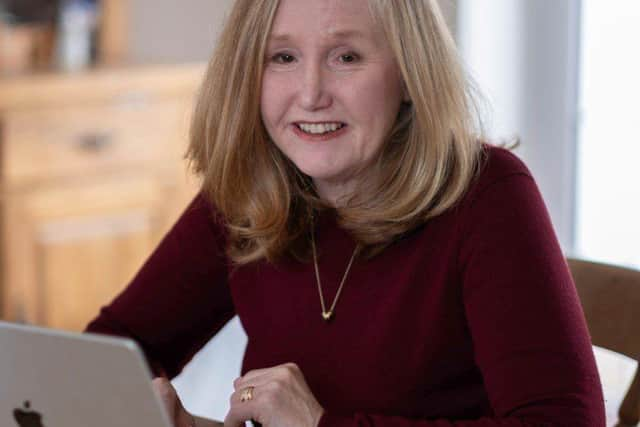
For Christine, that involved juggling both her home and work life on top of caring for Beryl.
“Between me and my sister we ended up caring and even though I was running a business full-time I found myself managing two households on-top of that.
“It was a real shock. I went to social services for help but they basically said that because my parents had savings to ensure there was money for care if it was needed, to come back when we were under the limit.
“They didn’t tell us about the help we could get, we had to find this out ourselves and try our best to figure out what two very elderly vulnerable people with complex health issues needed.
“I found even the basic care was missing when mum was in hospital and would work at her bedside so I could help her as she was struggling to even open the hospital food packages.
“It was really heartbreaking, and the whole process puts a lot of pressure on you as on one hand you love your parents unconditionally yet on the other, it all just becomes too much.
“And it was no one person’s fault, but it is down to chronic government underfunding that is putting the responsibility of caring back onto younger family members – and that causes a huge strain.”
Now new research ahead of Carers Week has revealed the shocking toll it is having on carents like Christine.
Half of all carers for elderly relatives have neglected their own health in order to do the roll, while 60 per cent say their mental health has suffered.
The research was carried out by The Carents Room, an online resource that helps, supports and guides what founder Dr Jackie Gray calls Britain’s “hidden army” of carents.
“Many assume that the state will provide for them in later life, meaning that people, particularly in younger age groups, generally give little thought to planning for their old age. Furthermore, individuals often have a residual faith that their family will look after them in old age,” she said.
An experienced GP and public health consultant, Dr Gray launched The Carents Room after her own experience of caring for her elderly father highlighted the unique issues carents encounter – from isolation to a lack of resources.
The platform is designed to give carents the support and opportunities needed to make their lives easier. According to Cristine, who found The Carents Room a few months prior to her mum’s recent death, it is a “cathartic space to share the conflicting emotions” that come with caring for frail, elderly loved ones.
Another carent, Louise Thompson, turned to The Carents Room following her own experience of caring parents living hundreds of miles away.
Having realised the need for the service on the back of her own experience, Louise has warned that many Brits – particularly those near retirement – may have their dreams of an easy retirement shattered.
“Being a carent is such an emotional rollercoaster and there can be highs, but it is also emotionally, physically and financially draining,” she added.
“You feel so conflicted as you find yourself so drained, yet with your parents or whoever you are caring for, you can often never do enough for them.
“Often parents are pleading not to be put in a home, but often they don’t realise how much pressure that is putting on their children who are often older themselves by that point,
“It is much harder than you can ever anticipate, and we need to talk more as a society about the reality of carenting – from funding care to the toll it can take looking after a parent with dementia in the small hours.
“And we also need to better brace people who are in their 60s that the retirement you thought you were getting may now include caring for a 90-year-old – but it is great that there are now finally resources available to help guide them.”