
'Gender on the agenda': The summer that changed women's sport but not the system

It has been a summer of women’s sport to remember.
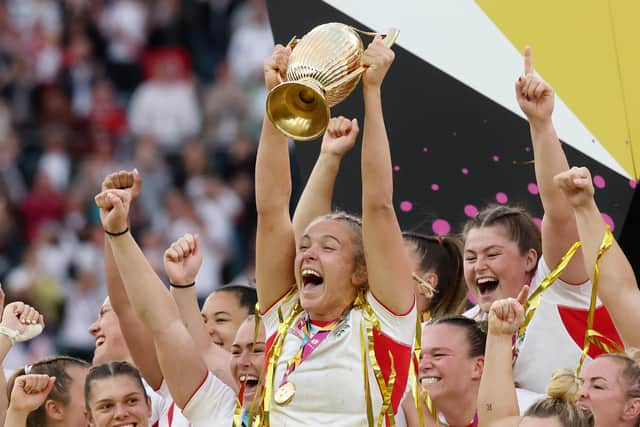
From the Lionesses roaring to victory and retaining their European Championship title to the Red Roses marking the first time England have lifted the Women’s Rugby World Cup trophy in 11 years.
The momentum that is building from bigger crowds, more funding and growing visibility on our television screens is hard to ignore.
Yet beneath the celebrations there is a much sharper truth - the playing field is still far from level. Funding, media coverage and access continue to be a barrier behind the men’s game.
We are not close to levelling the playing field
While the success of this summer proves what is possible it also highlights just how much more still needs to be done to make equality the norm and not the exception.
A sentiment echoed by Professor Leanne Norman from Leeds Beckett University and the Director of the Centre for Social Justice in Sport and Society within the Carnegie School of Sport.
“We are not close to levelling the playing field,” she told the Yorkshire Evening Post.
“The visibility of women’s sport is at a height we have never seen before but it is still very much unlevel especially when you look through the lens of stereotypes, competing and the work force.”
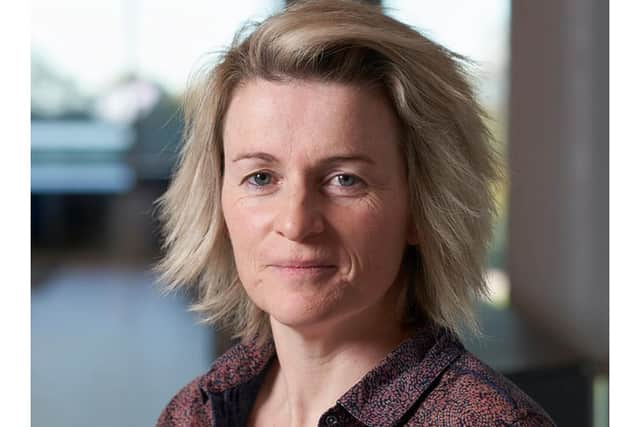

It comes as Prof Norman is set to join a panel at the Leeds International Festival of Ideas next week to discuss the harsh reality facing women in the world of sport.
Be that gender pay gaps, poor TV scheduling, stereotyping, exclusion, racial underrepresentation, and body shaming.
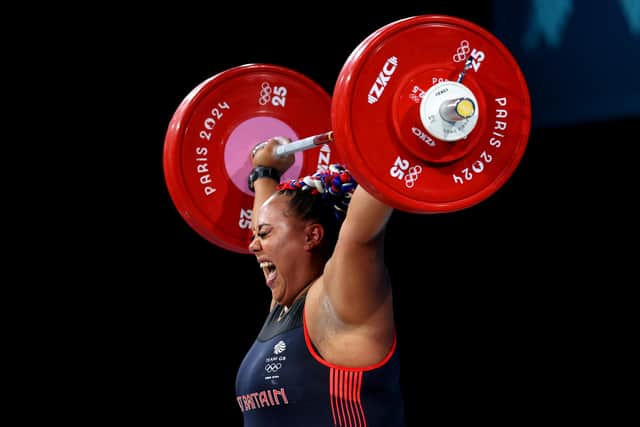
The panel features the most capped player in English football history footballer Fara Williams MBE, broadcaster Shebahn Aherene, trailblazing Olympic weightlifter Emily Campbell and award-winning ruby player Verity Smith.
They are set to debate what needs to change when it comes to inequalities facing women in sport at Leeds Playhouse on Saturday, October 18.
Prof Norman, whose research addresses gender equity and inclusion within sports leadership, said: “One of the biggest challenges is investment into women’s sport.
“By funding women’s sport that would be a real game changer.”
She also said when it comes to the depiction of women in sport there is still a lot of work to be done around representation.
“The way we celebrate women is softer. It is far more balanced than ever but it is about sustaining that,” she said.
“We have had a summer of women’s sport and that momentum needs to carry on to make sure it doesn’t drop off the radar.”
Prof Norman also said there needs to be greater regulation on social media companies to tackle online hate.
“Football is just terrible. There is a lack of regulation from social media organisations. There needs to be repercussions and this could be a bigger role for the Government to oversee that.
“It is a huge challenge. There is no debate.”
Story telling plays a huge role in shifting the discussion to empower the role of women in sport - be that participation, competition and joining the workforce.
She added: “We need to look at what we celebrate, how we celebrate people and the stories that we are celebrating. It is also about how often we do this too and the media have an important role in this.
“Let’s keep the momentum going. We don’t want this to be a flash in the pan. The sustainability of success is important.
“We need to be strategic and intentional and get gender on the agenda for everything we do.
“It’s not just because we have had a fantastic summer.”
Prof Newman has led national and international research projects and acted as academic expert and consultant for research funded by international and national sport councils, governing bodies and federations, and charities.
She added: “Women in the work force is really important when it comes to women in sport.
“There is lots of focus on participation but I think it needs to extend to work in these spaces.
“Women are often exposed to discrimination, bullying, harassment and gender based violence which doesn’t make it an attractive place to work.
“There is also a big issue of precarity around contractual status and lack of funding which can make it a very precarious position.
“We need to make these roles more rewarded and valued.”