
Curriculum at Leeds academy helps pupils 'climb the mountain to university' - Ofsted report

‘Each stage of education is a mountain peak’
Ofsted inspectors have praised the curriculum at an academy in Leeds for helping pupils “climb the mountain to university.”
Dixons Trinity Chapeltown, located on Leopold Street, Chapeltown, received a ‘Strong standard’ rating in all seven categories during an inspection on September 9.
The school received a ‘Strong standard’ rating for achievement, attendance and behaviour, curriculum and teaching, early years, inclusion, and leadership and governance, personal development and wellbeing.
New data published by the Department for Education recently named the school as the hardest in Leeds to get into based on latest admission figures.
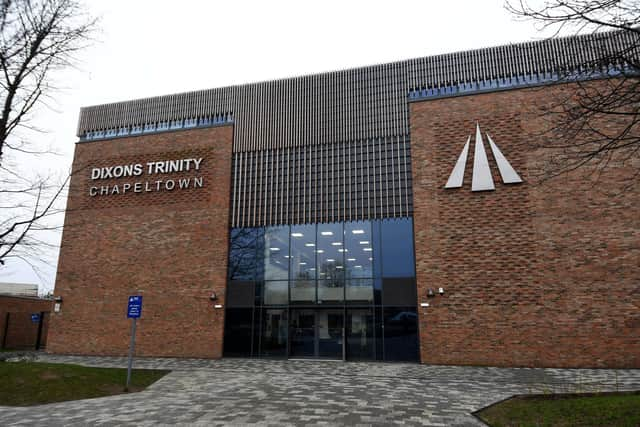

“Dixons Trinity Chapeltown is a school with high expectations, high aspirations and high achievement,” the education watchdog said. “The school is diverse, with pupils from different backgrounds and cultures.
“Pupils access a curriculum that is designed to help them 'climb the mountain to university'. Each stage of education is a mountain 'peak'. This help pupils smoothly transition between Reception, primary and secondary school.”
The curriculum is consistently well taught across different subjects and key stages, according to the report. Across the school, teachers use evidence-informed strategies effectively to deliver the curriculum and to check learning.
From their starting points in Reception to the end of Year 11, pupils, including those with special educational needs and/or disabilities, achieve highly at the school.
Leaders prioritise improving pupils' attendance. They apply evidence-informed trust attendance strategies that are adapted to the context of the school.
Early years is prioritised to ensure that children get off to the “best possible start at the school.” The curriculum is carefully crafted and ambitious.
Inspectors added: “At Dixons Trinity Chapeltown, everyone is welcome. The school serves a diverse community. This diversity is celebrated and respected by pupils and staff alike.
“Leaders quickly and accurately identify any additional needs that pupils may have. Effective systems are in place to ensure that no pupil, whatever their vulnerability, is left behind.”
Focusing on next steps, the report noted that leaders should build on improvements in the attendance of pupils with special educational needs and/or disabilities so that their work has a “sustained and transformational impact” for all pupils.
Leaders, including those responsible for governance, have a detailed understanding of the school’s context, strengths and areas for improvement.
They have established a “comprehensive and carefully sequenced” personal development programme that is tailored to the context of the school.