
Leeds youth group welcomes u16s social media ban as academies trust to introduce 'mobile phone pouches'

Currently, you have to be 13 to use major social media platforms
A youth group and academies trust in Leeds has welcomed plans to ban social media access in the UK for under-16s.
Millions of children in the UK are set to be denied access to a range of online “user-to-user platforms,” including Facebook, X, TikTok, Snapchat and Instagram, following Monday’s announcement by Prime Minister Sir Keir Starmer.
The Government expects the ban, which follows a consultation that received more than 116,000 responses, to come into force by spring next year. Currently, you have to be at least 13 in the UK to use major social media platforms.
Reacting to the news, The Hunslet Club, which offers activities and support for young people in Leeds, has welcomed the ban, viewing it as an opportunity to celebrate the value of real-world experiences, active lifestyles, and meaningful community connections.


“We see this as a chance to remind young people of everything that can happen when they step outside, join a team, try a new activity, or simply spend time with friends," said Jennie Baldwin-Baker, the club’s Director of Operations and Youth Services.
“Some of life's best memories are made through shared experiences, laughter, teamwork, and adventure, and we're committed to creating more opportunities for young people to enjoy those moments.”
This renewed national focus on face-to-face interaction aligns closely with The Hunslet Club's long- standing mission of helping young people reach their full potential through sport, youth activities, creative programmes, and community engagement activities.
Across its programmes, the club delivers over 114 different activities, ranging from football, rugby, and boxing to drama, dance, and creative arts. This wide and varied offer ensures there is something for everyone, encouraging young people to try new experiences, discover hidden talents, and stay active in ways that feel enjoyable and inclusive.
They also offer a free youth club provision five nights a week, ensuring young people have consistent access to a safe, supportive space after school and into the evenings.
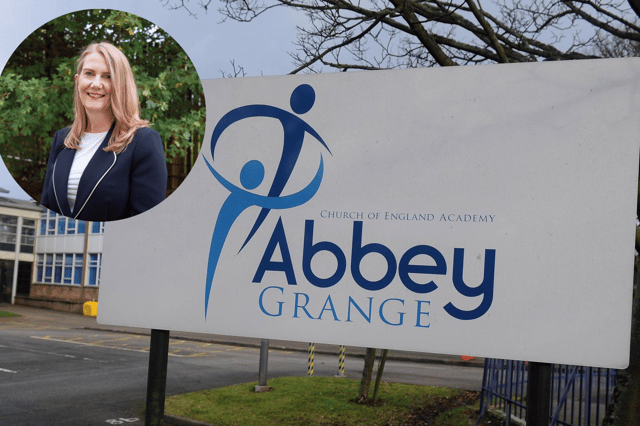
Helen Pratten, CEO of the Abbey Multi Academy Trust in Leeds, has also welcomed news of the restrictions and hopes that the ban will create more space for young people to form positive healthy relationships.
“We welcome a national conversation that places the wellbeing of young people at its centre,” she told the Yorkshire Evening Post. “Reducing exposure to content that can harm self-esteem, wellbeing and development is an important step and one that schools across our Trust have already been actively addressing.
“We are hopeful that clearer boundaries around social media use will help to reduce peer pressure and create more space for young people to form positive healthy relationships both online and offline.”
From August, the Trust, which runs five primary schools and three secondary schools in Leeds, will introduce mobile phone pouches across their secondary academies, to safeguard children from the negative impacts of social media and cyberbullying.
Similar initiatives rolled out by schools across the country has seen pupils put their devices in magnetically sealed pouches, meaning they cannot access them until they unlock them at designated magnetic base stations.
Schools already implementing these policies frequently cite improved student concentration, better face-to-face socialisation, and significantly fewer classroom conflicts or incidents of cyberbullying.
Speaking more on the Government’s social media ban, Ms Pratten warned that successful implementation will depend on how the policy is regulated and enforced beyond the school gate.
“There is a risk that without robust safeguards young people may seek alternative routes to access social media which could expose them to greater harm,” she said. “This reinforces the need for a partnership approach involving schools, families, government and technology companies.
“Alongside any regulation we believe there must be a strong focus on education. Young people need the knowledge and critical understanding to navigate the digital world safely and confidently. Schools have a key role to play in this but cannot do so alone.”
Under the Government’s new restrictions, alongside the major social media platforms, livestreaming and communication with strangers will be blocked for under-16s on a “wider range of online services” such as gaming sites like Roblox.
These restrictions would also be on by default for 16- and 17-year-olds on the major social media apps to prevent a “cliff edge” scenario when teenagers turned 16, the government said.
Messaging platforms such as WhatsApp and Signal will not be included in the ban, according to the Government. There will also be a “narrowly defined” list of other exemptions, as to not want to hit music streaming, e-commerce platforms or educational services.
The move has also been welcomed by leaders at Leeds City Council, who previously launched their ‘Disconnect to reconnect’ scheme, aimed at encouraging a healthier and more mindful use of smart device technology, enabling better mental health and social interactions.
“We welcome any legislation and measures that protect children from the risks of online harms,” said, Councillor Helen Hayden, Executive Member for Children and Families.
“In Leeds, initiatives like ‘Disconnect to Reconnect’, which we’ve supported schools to engage with since 2023, are helping young people better understand the impact of device use on their wellbeing, and encouraging healthier, more balanced relationships with social media and technology.”
There is more work to come from the government in July, when an update will address issues such as how to deal with virtual private networks, which allow users to circumvent geographical bans. Ministers will also set out further plans for 16- and 17-year-olds next month.
The announcement are suggests that the government could harden - or at least modify - the age-verification process already in place under the UK’s Online Safety Act, which is overseen by the UK’s communications watchdog, Ofcom. The regulator will publish an assessment of how to best implement age-gating for under-16s by October.
Bereaved parents and many child safety campaigners have widely welcomed the announcement as a necessity for young people who they say are exposed to harmful content online.