

The latest edition of a highly competitive academic league table has come with some unexpected changes to the universities it names as being amongst the UK’s finest.
The Times and The Sunday Times’ eagerly-awaited Good University Guide for 2026 - considered by many to be one of the country’s most definitive rankings - went live on Friday morning (September 19), with a 96-page supplement to be published alongside The Sunday Times this weekend. This year’s guide has seen two of the country’s oldest and most prestigious universities, Oxford and Cambridge, slip out of the top three places for the first time in the guide’s 32-year history.
The London School of Economics and Political Science took out first place in the rankings for a second year running. But The Times has selected the North East’s Durham University for its annual ‘University of the Year’ award for 2026. Helen Davies, the guide’s editor, said: “In a very competitive top ten Durham has climbed two places in a year, which is a significant achievement.
“In doing so it has outdone both Oxford and Cambridge, helping to push both of them out of the top three in our league table for the first time in the Good University Guide’s history,” she continued. “Its stellar academic performance was boosted this year by improvements in teaching quality, and student experience. Durham also won University of the Year in the North and Northeast 2026 and runner-up University of the Year for Graduate Prospects 2026.”
The Times’ Good University Guide uses a detailed methodology to rank more than a hundred universities each year, which includes the average UCAS tariff points of the new it accepts; the percentage of ‘good honours’ - or firsts and 2:1 degrees - awarded to students who recently finished their course; the percentage of graduates in high-level jobs or post-graduate studies after their course ended; the proportion of first-year students continuing on to second year; and many more. It uses the latest data available for each, usually from one of the last few years.
Here are its new top 25 universities from across the country, as well as a few figures that any high-achieving students considering studying at one of them may find helpful:
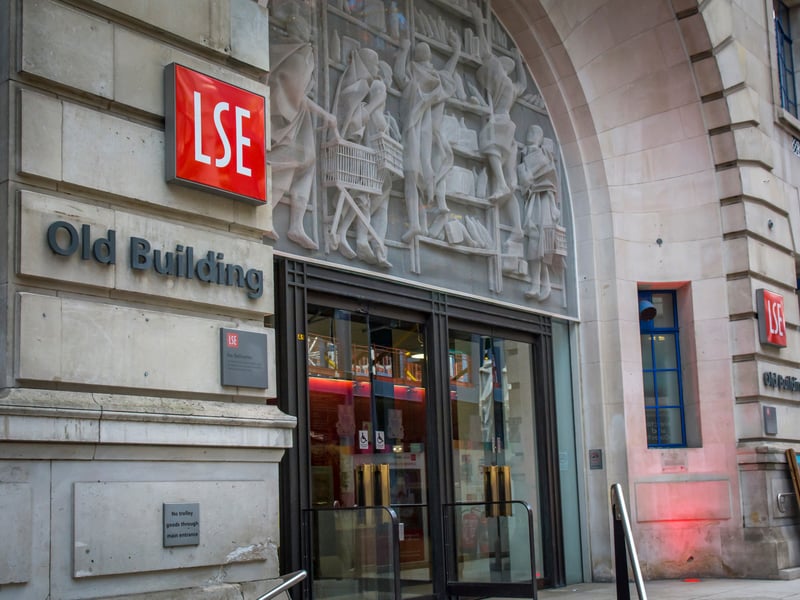
1. London School of Economics and Political Science
At the top of the Times’ list for a second year running is LSE – a specialist social sciences university in the heart of London. Some 90.6% of its students achieved a ‘good honour’, while 92.5% of its recent graduates were currently in a high-level job or postgraduate study. | Adobe Stock
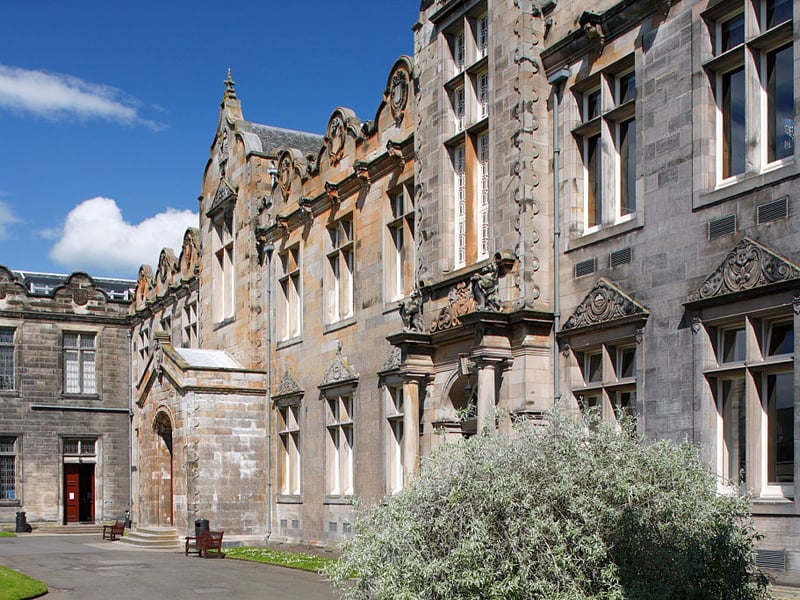
2. University of St Andrews
Scotland’s oldest university, based in St Andrews, Fife, held onto its 2nd place spot from last year. Some 90.6% of its students also achieved a ‘good honour’, while 87.6% of its recent graduates were currently in a high-level job or postgraduate study. | Peter Thompson/Heritage Images/Getty Images
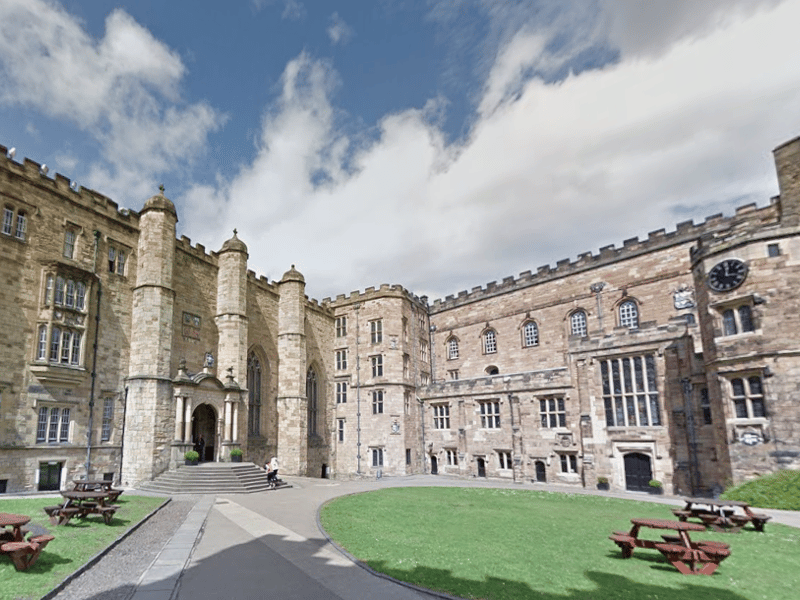
3. Durham University
The North East’s Durham University has shot into 3rd place, up from 5th last year. Some 90.5% of its students achieved a ‘good honour’, while 88.8% of its recent graduates were currently in a high-level job or postgraduate study. | Google
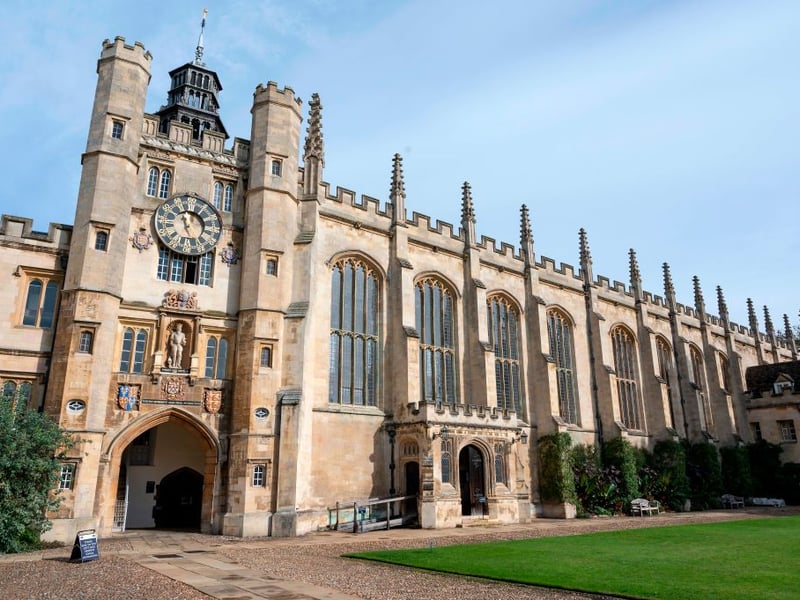
4. University of Cambridge
Sharing a score and a spot with its Oxbridge counterpart, Cambridge, in the East of England, came in 4th place for a second year. Some 92.1% of its students achieved a ‘good honour’, while 90.4% of its recent graduates were currently in a high-level job or postgraduate study. | (Photo by JUSTIN TALLIS/AFP via Getty Images)
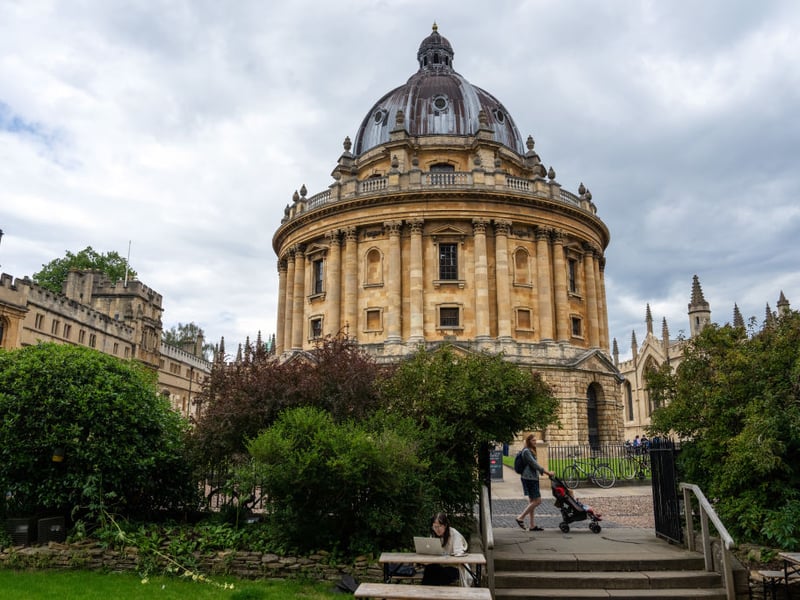
5. University of Oxford
Technically sharing 4th place, Oxford’s historical namesake university has dropped down from 3rd place last year. Some 93% of its students achieved a ‘good honour’, while 90.4% of its recent graduates were currently in a high-level job or postgraduate study. | Photo: Carl Court/Getty Images
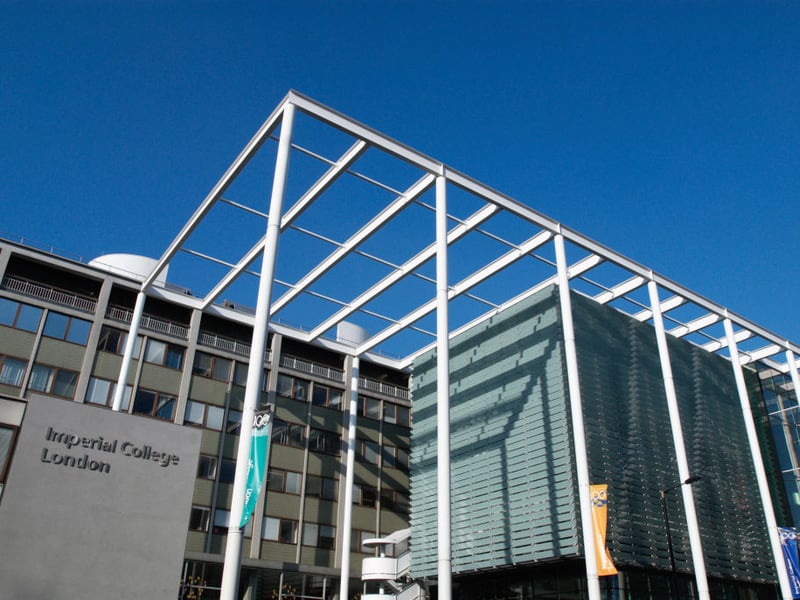
6. Imperial College London
Imperial College is in London, and specialises in science, engineering, medicine, and business. It has remained in sixth place for another year. Some 91.4% of its students achieved a ‘good honour’, while 95.9% of its recent graduates were currently in a high-level job or postgraduate study. | BuildPix/Construction Photography/Avalon/Getty Images