
Darker evenings, lower mood: Why the clock change affects you – and 5 ways to beat it

This article contains affiliate links. We may earn a small commission on items purchased through this article, but that does not affect our editorial judgement.
As British Summer Time comes to an end this month and dark evenings set in, experts explain why the autumn hour shift impacts your energy and sleep
As autumn deepens and British Summer Time draws to an end (October 25), millions across the UK will gain an extra hour in bed when the clocks turn back.
But while an extra 60 minutes of sleep sounds like a welcome treat, the sudden shift in daylight can trigger a noticeable slump in mood, focus, and motivation.
For many, the abrupt transition to pitch-black early evenings brings on a wave of fatigue, brain fog, and seasonal low mood. It is not just in your head - there is a clear biological reason why the autumn clock change knocks your internal body clock off course.
With tomorrow (October 10) being World Mental Health Day, and the dreary nights on everyone’s minds to boot, here is why the shift to standard time affects your mental health, along with five practical ways to protect your energy levels as the nights draw in.
The science: why darker evenings impact your mood
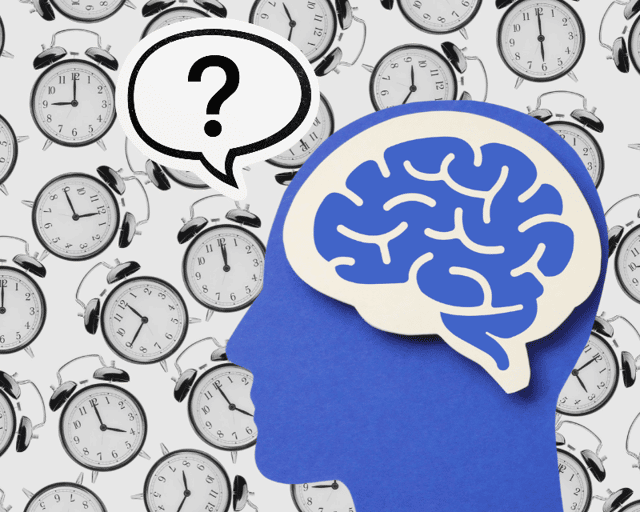

Our physical and mental well-being is heavily governed by circadian rhythms - the internal 24-hour body clock that relies on natural light to regulate sleep, hormones, and core energy.
When sunlight exposure drops sharply in late autumn, the brain begins producing melatonin (the sleep hormone) much earlier in the day, leading to persistent afternoon sluggishness. Simultaneously, the lack of morning and early evening sun causes levels of serotonin - the key neurotransmitter responsible for mood, appetite, and emotional balance - to dip.
When combined with a disrupted sleep schedule, this sudden biological shift can trigger sub-syndromal Seasonal Affective Disorder (often referred to as the winter blues), leaving people feeling irritable, exhausted, and craving heavy carbohydrates.
Five ways to Beat the Clock Change Slump
1) Maximise early morning daylight exposure
The single most effective way to anchor your internal body clock is to get natural light into your eyes as early in the day as possible. Exposure to morning sunlight tells your brain to stop producing melatonin and start releasing serotonin, setting up your energy reserves for the entire day.
Aim for a 15-to-20-minute walk outside within an hour of waking, even if the Leeds sky looks overcast.
2) Keep bedtime and wake times strictly consistent
While it is tempting to stay up later or oversleep on the weekend after the clocks change, keeping a strict sleep schedule is critical for smoothing out circadian disruption.
Going to bed and waking up at the same time every day - including weekends - helps your brain recalibrate faster, preventing the "social jetlag" that often lingers for weeks after the shift.
3) Upgrade your morning routine with light therapy
If dark autumn mornings make getting out of bed feel impossible, consider investing in a certified SAD light box or a sunrise simulator alarm clock.
Light boxes emit a bright, UV-free light (around 10,000 lux) that mimics daylight, helping stimulate serotonin production while you eat breakfast or work at your desk.
Sunrise alarm clocks gradually brighten your bedroom before your alarm goes off, easing your nervous system into waking naturally.
4) Take a dedicated lunchtime daylight break
With sunset arriving well before the end of the traditional workday, lunch hour becomes your primary window for soaking up natural sunlight.
Making a habit of stepping away from your desk for a brisk 30-minute walk at midday combines light physical activity with daylight exposure, lowering stress hormones and preventing the dreaded 3pm energy crash.
5) Adjust your diet and top up Vitamin D
As natural sunlight drops, our bodies can no longer synthesise sufficient Vitamin D through the skin, which plays a pivotal role in immune health and mood regulation.
NHS England recommends taking a daily supplement of 10 micrograms (400 IU) throughout autumn and winter. Pair this with a balanced diet rich in complex carbohydrates, healthy fats, and protein to stabilise blood sugar levels and curb seasonal sugar cravings.
If you are feeling overwhelmed as the nights draw in, remember that support is always available in Leeds. Search #WhereToTurnLeeds on social media or speak to your local GP to find the right support for you this autumn.