
Campaigning Leeds mother gives her daughter the gift of life two decades after losing her own

When renowned Leeds fundraiser and amateur athlete Jane Tomlinson died from breast cancer at just 43 she left her daughter the legacy of life - literally.
Jane, an NHS radiographer and mother of three from Leeds, became known across the UK for her remarkable fundraising efforts completed while living with terminal cancer.
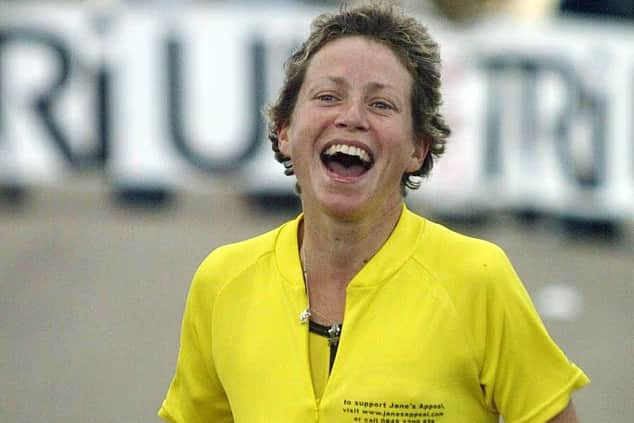

But her greatest legacy remained private as, before her death in 2007, she requested her blood be saved so her children could one day be tested for hereditary cancer genes - should science be sufficiently advanced.
In 2023, that moment arrived. Testing revealed that Jane carried the BRCA2 gene mutation, which dramatically increases the risk of breast and ovarian cancer.
This crucial discovery meant each of her children had a 50% chance of carrying the same gene, instantly making them eligible for NHS genetic testing and screening.
Nearly two decades after her death, the foresight she showed in arranging for her blood to be stored has enabled her children and grandchildren to better understand, and act on, their inherited cancer risks.
Jane’s daughter, Becca Tomlinson, 37, who lives in Leeds with her husband and two young children, underwent counselling and testing through the Leeds Clinical Genetics Service. The result confirmed she had inherited the same BRCA2 mutation as her mother.
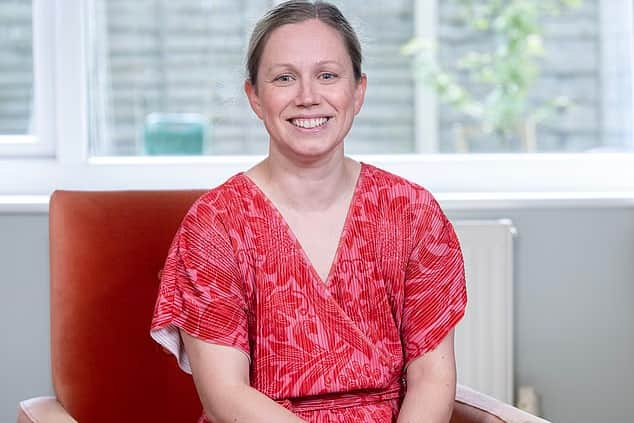
Hannah Musgrave, consultant genetic counsellor, for the Leeds Clinical Genomics Service at Leeds Teaching Hospitals NHS Trust, said: “Once a gene change is found, we can offer a “predictive” genetic test to family members to help them understand their personal risk levels. A “positive” test result may allow people to access more cancer screening or consider options to reduce their risks.”
For Becca, the knowledge prompted decisive action. Supported by the expertise of Leeds clinicians, she opted for a risk reducing double mastectomy in 2023, followed by fallopian tube removal (salpingectomy) in 2024 — steps that significantly lower her chances of developing the diseases that killed her mother.
Becca said: “Mum took that blood sample purely for us, and it’s possibly saved my life and means I can be around for longer for my children.
“None of my family would be eligible for NHS testing unless it was known that Mum had the gene – which is why the blood sample was so important.”
Her journey reflects the vital role of regional cancer genetics services, where increasing numbers of families are benefiting from early identification, personalised counselling, and enhanced surveillance based on inherited risk.
Becca is speaking publicly to help raise awareness of how genetic counselling can empower individuals:
She said: “You can reduce your cancer risk and manage them [sic] well. I look at it as knowledge giving me power.”
According to Hannah, genetic testing relating to breast and ovarian cancers is offered on the NHS to those diagnosed with these cancers who may benefit from different treatments or who have a 10 percent chance of having a change in one of the seven genes routinely tested for.
Leeds Hospitals continue to expand access to genetic counselling for eligible patients across the region, offering vital support, guidance, and testing that enables families to better understand their health risks and make informed decisions.