

An estimated 1.33 million people – around one in 48 – are likely to be experiencing symptoms of long Covid, including more than half a million who first had Covid-19, or suspected they had the virus, at least one year ago.
The figures, from the Office for National Statistics (ONS), are based on self-reported long Covid from a representative sample of people in private households in the four weeks to January 2.
Self-reported long Covid is defined as symptoms persisting for more than four weeks after a first suspected coronavirus infection that could not be explained by something else.
It comes after a wave of the Omicron variant led to a record-breaking number of Covid cases over the last two months.
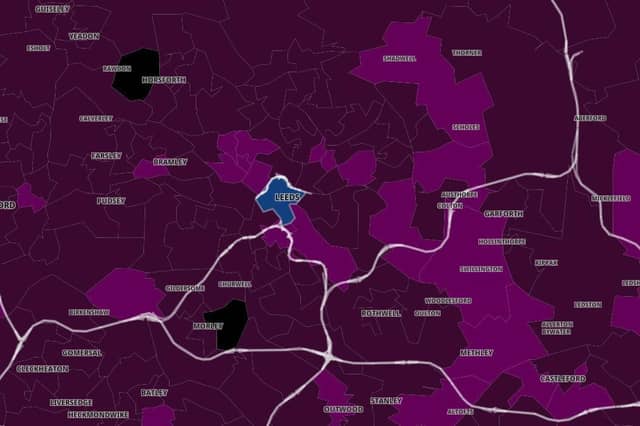
The infection rate, the number of new cases per 100,000 people, is now falling in Leeds - but remains high at 1,070.4.
Here we reveal the Leeds neighbourhoods with the highest infection rates in the seven days to January 27, the latest available figures . All images are for illustrative purposes only.
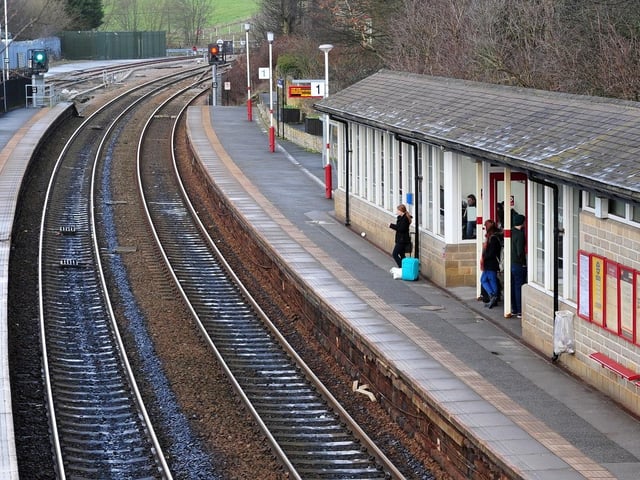
7. Horsforth East
Horsforth East had an infection rate of 1354.4. It’s down 28.9% from the previous week.
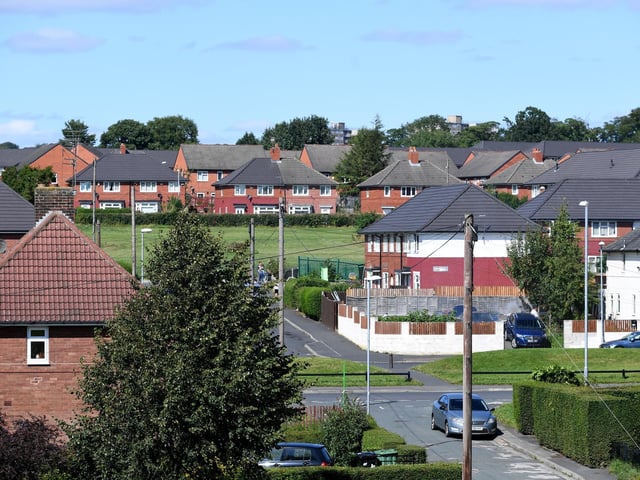
8. Seacroft South
Seacroft South had an infection rate of 1696.4. It’s down 13.5% from the previous week.
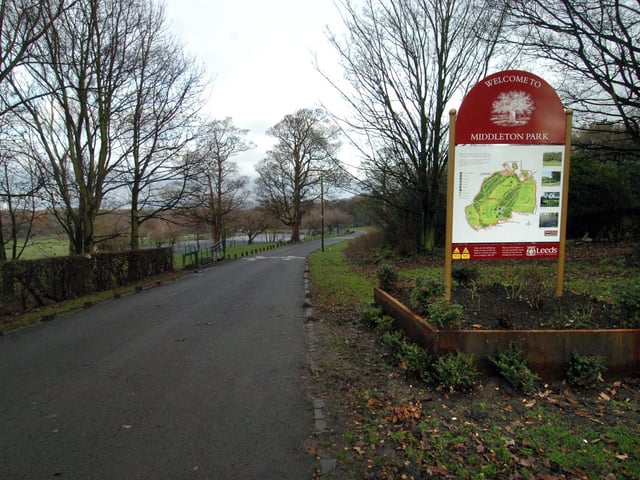
9. Middleton Park Avenue
Middleton Park Avenue had an infection rate of 1156.1. It’s down 44.1% from the previous week.
10. Cookridge & Holt Park
Cookridge & Holt Park had an infection rate of 1156.1. It’s down 44.1% from the previous week. Photo: Google
11. Moortown
Moortown had an infection rate of 1542.8. It’s down 13.6% from the previous week.
12. Hawksworth & West Park
Hawksworth & West Park had an infection rate of 1247.9. It’s down 32.6% from the previous week. Photo: Google