
Ebola virus signs and symptoms as WHO declares health emergency after deadly outbreak

The World Health Organisation (WHO) have declared a global health emergency after a deadly Ebola outbreak in the Democratic Republic of Congo (DRC).
There have been 336 suspected cases and 88 deaths reported, with the WHO declaring the outbreak in the DRC’s eastern Ituri province an international emergency due to the risk of infection spreading between countries, with two cases and one death already confirmed in Uganda.
In a report by CBS, at least six Americans have been exposed to the virus, with one displaying symptoms and three who experienced a high-risk exposure.
Ebola is a serious, but rare virus, with an average fatality rate of 50%. There are many different strains, with the current outbreak caused by the Bundibugyo virus, for which there is no approved medication for treatment or vaccine for prevention.
Concern is growing as Ebola symptoms can sometimes be mistaken for malaria or other viral infections. The virus can spread easily, with the WHO raising concerns around healthcare-associated transmission, gaps in infection prevention and current control measures.
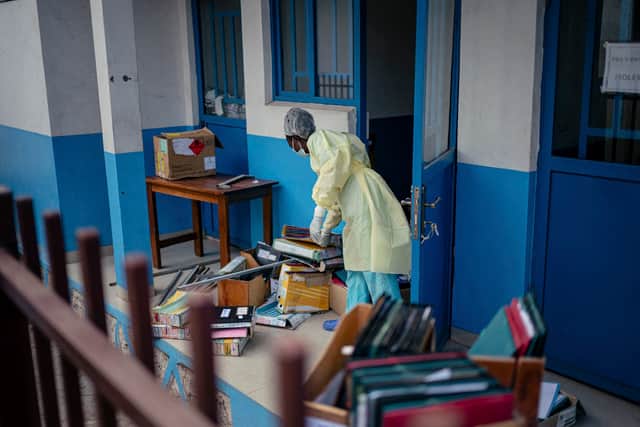

What is Ebola?
Ebola is a serious, rare infectious disease that, according to the NHS, is spread through contact with infected human or animal bodily fluids, such as saliva, blood, urine or poo.
Recent deadly outbreaks have impacted central and western African countries, including Uganda, Guinea and the DRC. Infection can be deadly, with the WHO reporting the average fatality rate at 50%.
There are many different strains of Ebola. The Bundibugyo virus, which is responsible for the latest outbreak, is rarer and has no known treatment options or vaccines for disease prevention.
The general risk to the UK public is “very low”, but if you are planning to travel to central or western Africa, it’s important to check the Ebola risk for the country you're travelling to before you go.
What are the symptoms of Ebola?
The signs of Ebola can begin from two to 21 days after being infected, with most people beginning to show symptoms after eight to 10 days. They can come on suddenly with flu-like symptoms initially, such as a high temperature, extreme tiredness and a headache, before progressing to gastrointestinal symptoms and unexplained bleeding.
Ebola is serious and needs to be treated quickly with intensive supportive care, including rehydration and treatment of symptoms to help improve chances of survival, but the disease has a high fatality rate, at around 50%, with fatality rates in previous outbreaks between 25 to 90%.
You can find out more about Ebola and what steps you should take if you are planning to travel to a country where Ebola is present at NHS.UK.