
Food poisoning warning as Salmonella cases in England reach highest levels in a decade

Members of the public are being reminded to take precautions.
The UK Health and Security Agency (UKHSA) is urging members of the public to practise good food hygiene after cases of Salmonella have reached their highest level in a decade.
Salmonella and Campylobacter are among the most common causes of food poisoning, with young children, older adults and those with weakened immune systems at risk of developing serious illness or complications.
New data published today by the UKHSA show consistently high levels of Salmonella and Campylobacter in England.
Salmonella cases have increased from 10,389 in 2024 to 10,406 in 2025, the highest figure in a decade. Campylobacter cases have remained high and comparable to 2024, although they fell slightly from 70,392 in 2024 to 69,394 in 2025.
Whilst cases of Salmonella have decreased by 9.7% in Yorkshire and the Humber, the risks are still there, with people being urged to help prevent infection by practising good food hygiene.
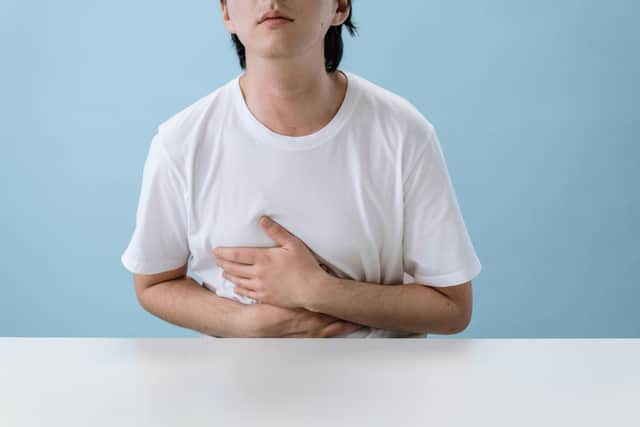

What are the symptoms of Salmonella?
Gastrointestinal infections such as Salmonella and Campylobacter can cause symptoms, including diarrhoea (sometimes bloody), stomach cramps, vomiting, and mild fever. Most people will recover within one to two weeks, but young children, older adults, and those with weakened immune systems face a higher risk of serious illness or complications.
How is Salmonella spread?
Campylobacter and Salmonella infections are usually caught by eating contaminated food, including poultry, meat, eggs, raw fruit or vegetables and unpasteurised milk products. Infection can also spread through close contact with an infected person, particularly in household settings or through cross-contamination in the kitchen when the same utensils are used for both raw and cooked food.
Dr Gauri Godbole, Deputy Director for Gastrointestinal Infections at UKHSA, said: “We are seeing consistently high levels of gastrointestinal infections in England. We continue to work closely with partners to detect, investigate, and stop the spread of these infections.
“These infections spread in many ways - through contaminated food or water, contact with an infected person, or contact with infected animals or their environment.
“Washing hands thoroughly with soap and water, particularly after using the toilet, handling raw meat, eating, and contact with animals or farms, can help prevent infection. Anyone experiencing diarrhoea or vomiting should avoid handling or preparing food for others, should not return to work, and children should not attend school or nursery until at least 48 hours after symptoms have cleared.”
You can find more information about the signs and symptoms of Salmonella at NHS.UK.