
Resident doctor strikes: Government could have built 'a few hospitals' with £3bn walkouts cost, Wes Streeting says

The Government could have built a “few” hospitals or slashed NHS waiting lists faster with the estimated £3bn it has cost to cover the long-running dispute with resident doctors, Health Secretary Wes Streeting has said.
Resident doctors, formerly known as junior doctors, began their 15th strike since 2023, with medics walking out across England.
The cumulative cost of the strikes over that time is estimated to have topped £3bn.
Asked by LBC’s Nick Ferrari what could have been done with those funds, Mr Streeting said: “We can do a few hospitals for that.
“We could have run far more appointments and procedures with that money to cut waiting lists faster. Those would probably be the things that I would have chosen to prioritise.”
The latest six-day strike, which began yesterday morning, will cost the NHS £300m, the Health Secretary said.
It comes as several hospital projects across Yorkshire have been delayed or axed over the last three years.
In 2023, Doncaster and Bassetlaw Teaching Hospitals NHS Foundation Trust had its bid to build a new hospital in Doncaster rejected.


Instead, the Doncaster Royal Infirmary was awarded almost £20m to refurbish the current site.
Airedale General Hospital and the Leeds General Infirmary both saw their renovations under the New Hospital Programme delayed to the early and late 2030s after the election, with Mr Streeting saying no money had been left by the Conservatives.
A Department of Health and Social Care spokesperson said: “We have provided the NHS with record funding and put the New Hospital Programme on a sustainable footing.
“New Hospital Programme schemes in Yorkshire remain on track, and funding for the programme is ringfenced and protected from strike action.”
Meanwhile, Mr Streeting said that additional training places for resident doctors are not needed for the NHS or for patients.
He said the public would think he had “lost the plot” if he pressed ahead with the offer of 1,000 additional training places for resident doctors after they rejected the Government’s deal on pay and jobs.
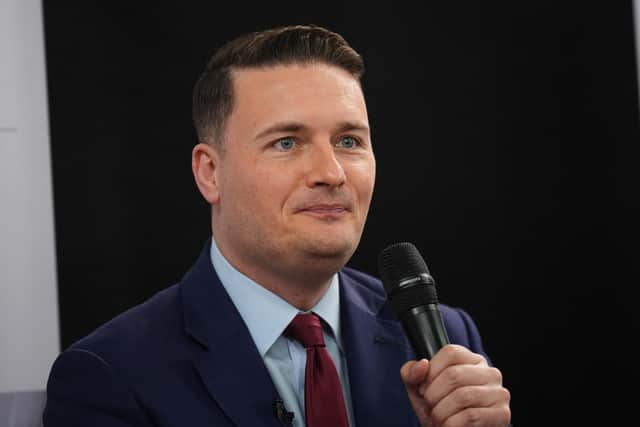
NHS officials have said the strike – the joint longest walkout by resident doctors – will be “difficult” but urged patients to come forward as normal.
It comes after an offer from the Government was rejected by the British Medical Association’s (BMA) resident doctors committee.
The proposal included a 4.9 per cent increase in average basic pay, which, according to Mr Streeting, would have left resident doctors 35.2 per cent better off than four years ago.
The proposal also included an offer of 1,000 extra training places, although that was taken off the table with Mr Streeting saying it was no longer “financially or operationally” possible as the NHS prepares to deal with the fallout from industrial action.
The issue has become a key point of contention in the dispute. Mr Streeting told Sky News: “Can you imagine what you and your viewers would be saying to me this morning if the BMA rejected this deal, went out on strike, cost the NHS £300m, and the Government said: ‘we’re still going to give them the benefits of the deal’. You would think I had lost the plot. We are not going to do that.”
Dr Jack Fletcher, chairman of the BMA resident doctors committee, said: “Nobody’s asking for anything in one go, and nobody’s asking for anything overnight. But the Government does need to move.
“We recognise there’s been progress on a number of fronts, but ultimately the Government needs to move on both jobs and pay to resolve these disputes for not only doctors, but crucially for patients as well.”