
Resident doctors’ strike: key advice ahead of four-day industrial action next week
Ahead of next week’s resident doctors’ strikes, here’s what you need to know
People across West Yorkshire are being encouraged to plan ahead for their healthcare needs as resident doctors take industrial action next week.
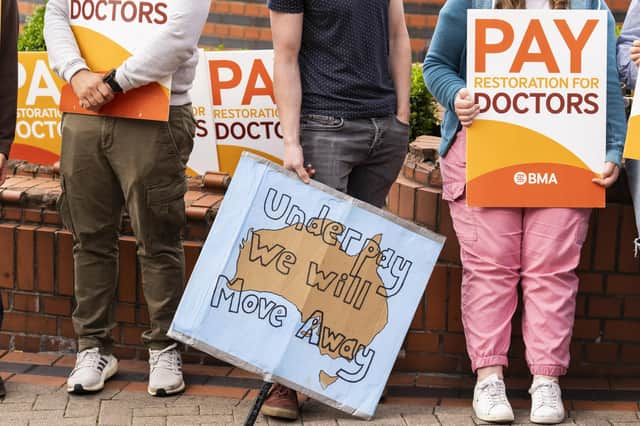

Resident doctors, formally known as junior doctors, will stage a walkout from 7am on Monday June 15, until 7am on Friday June 19, across England and Northern Ireland.
The NHS West Yorkshire Integrated Care Board has said that while “robust plans” are in place to maintain safe services, the strike action is expected to place additional pressure on hospitals, mental health services and urgent care.

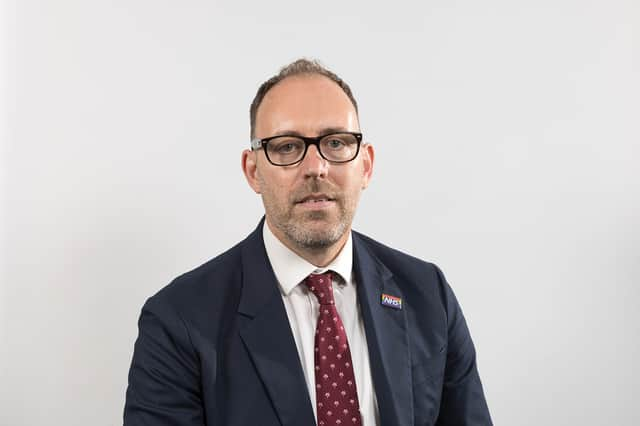
Dr James Thomas, Medical Director for NHS West Yorkshire Integrated Care Board, said: "The NHS is working hard to minimise disruption and ensure people continue to receive safe care during the strike period. However, with fewer doctors available than usual, some services will be under increased pressure and some patients may experience longer waits.
"We are asking people to help us by planning ahead, making sure they have enough medication, attending appointments as normal unless they are contacted, and choosing the right NHS service for their needs.
"If you have an appointment or planned procedure scheduled during the strike period, please continue to attend unless you hear directly from the NHS. If we need to rearrange your appointment, we will contact you as soon as possible."
The NHS West Yorkshire Integrated Care Board has issued the following advice ahead of the four-day strike:
- Order any repeat prescriptions in good time and collect medications before they are needed.
- Make sure household first aid supplies are stocked up.
- Check in on elderly relatives, neighbours and anyone who may need additional support.
- Familiarise yourself with local NHS services and how to access them if needed by visiting togetherwe-can.com.
Throughout the industrial action, consultants, specialist doctors, nurses and other NHS staff will continue working, with services focused on providing safe care and prioritising patients who need urgent and emergency treatment.
Anyone requiring medical help is advised to come forward as normal.
For serious and life-threatening emergencies, including severe illness, major injuries and mental health emergencies where there is an immediate risk to life, emergency departments and 999 services remain available.
Meanwhile for urgent health advice, individuals should use NHS 111 online or call 111 where they can be directed to the most appropriate form of care.
Resident doctors are qualified doctors who make up around half of the medical workforce in the NHS.
This latest industrial action is organised by the British Medical Association (BMA) and centres on a long-standing dispute over pay.
Resident doctors have had a 33.4% pay rise over the last four years, however, the BMA argues that that doctors are still being paid a fifth less than they were in 2008 once inflation is taken into account.