
‘Years slipped away’: Leeds adults reveal the impact of long waits for ADHD assessments
“It was just waiting and waiting and waiting and hoping that things were going to change”
The number of adults seeking an NHS assessment for attention deficit hyperactivity disorder (ADHD) in Leeds increased 15-fold over a decade, new figures show.
This growth in demand has dramatically increased waiting times across the city, as the Leeds ADHD Service only had capacity to see 16 patients per month.
The new data, released by the Leeds ADHD Service, shows it held a waiting list of over 4,600 patients for diagnostic assessment in October 2024 - an approximate 15-fold increase when compared to figures from 2014.
The waitlist was paused to new non-urgent referrals in October 2024 to combat a “mismatch between demand and capacity”, but around 900 people across the city are still waiting for an assessment.
Joseph is one of the 2.5 million people across the UK who has ADHD, but the 49-year-old was only diagnosed in Leeds two years ago after “fighting for decades to be tested”.
“By the time I finally secured my diagnosis, years had slipped away,” Joseph, not his real name as he wished to remain anonymous, told the Yorkshire Evening Post.
“The delay cost me dearly in broken career paths, cycling through jobs, and the sheer exhaustion of having to fight the medical system just to be heard.”


Joseph described ADHD as feeling like being “locked in your own head”, with associated behaviours including finding everyday tasks “impossible to initiate” and feeling overwhelmed by constant “competing thoughts” and background noise.
It’s a feeling he’s had since childhood, but for years he felt “dismissed” by doctors who he says misdiagnosed him with anxiety and depression.
When he moved to Leeds, he found a “supportive” GP practice who referred him for an assessment in 2023, but he was told to expect to be waiting for years until he was seen by another professional.
To navigate this, Joseph used ‘Right to Choose’, a scheme which enables NHS patients to refer their care to a private provider free of charge.
After just over a year, he received an ADHD diagnosis. But he is not the only person within Leeds battling a complex waitlist system.
What is ADHD and how is it diagnosed?
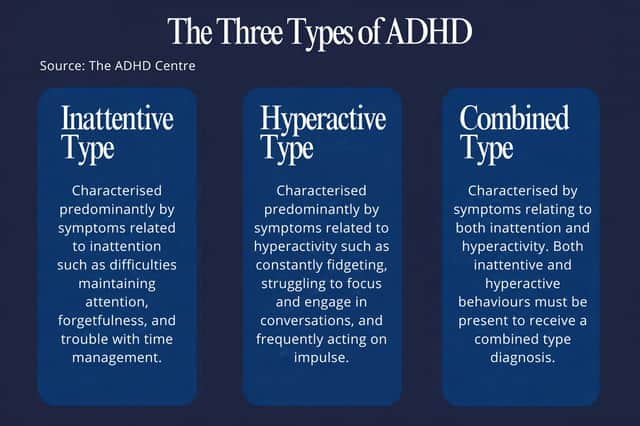
ADHD is a form of neurodivergence defined by persistent patterns of hyperactive and/or inattentive behaviours.
Signs may include struggling to focus, feeling restless, being impulsive or forgetful, and finding it difficult to organise your time.
For a diagnosis to be made, these symptoms must happen frequently, impact your daily life, and there must be signs of the condition before the age of 12.
After a GP visit, an individual who appears to meet the diagnostic criteria will be referred to a mental health professional specialising in ADHD for an assessment.
However, the gap between a referral and an assessment can last anything from a few weeks to over a decade, depending on your local health board.
The minimum wait time in Leeds
It’s this variation which makes David, 53, who was diagnosed with ADHD in Leeds last year, describe the system as like a “postcode lottery”.
David had an overall positive experience seeking an ADHD assessment in Leeds. He praised his “amazing” GP who took the time to listen to his thoughts and feelings, before referring him to the waitlist.
Just like Joseph, David used Right to Choose to cut his time on the assessment waitlist, and after a year he had been diagnosed.
However, the West Yorkshire Integrated Care Board (ICB) has now introduced a minimum two-year wait for ADHD assessments, including through Right to Choose.
Though David said he felt comfortable waiting, he noted that this mandatory wait time may impact other people with suspected ADHD very differently.
“Let's imagine somebody's having a mental health crisis and the reason for the mental health crisis is that, that they’re not living a life well suited to the ADHD, that's way too long.”
“I felt I understood enough what was going on in my mind to start with self-compassion. My first diagnosis was the one I did on myself and that alone was powerful.
“I was pretty confident I knew what the solution was but to say two years is no problem is really unfair on people that are having a crisis and for them it could be impossibly long.”
What counts as an urgent ADHD assessment referral?
The West Yorkshire ICB has said that the minimum wait time was introduced in response to increasing costs of providing assessment and diagnosis, alongside aims to reduce variation in waiting times across West Yorkshire.
A spokesperson from West Yorkshire ICB said: “The Equality and Quality Impact Assessment of the commissioning policy recognised the increased risk that people currently awaiting assessment could present in crisis to mental health, social care or educational settings.
“In addition, during 2027-28, our neurodiversity hubs will start coming online that will support anyone exploring an Autism and/or ADHD assessment to have their needs understood and met, delivering better overall outcomes for people that do not rely solely on the diagnostic process, helping to avoid incidences of crisis.”
ADHD UK Ambassador Kathleen Helms has criticised this approach and argued that a longer waitlist creates increased strain on mental health services.
Kathleen said: “Deprioritising our developmental services has a knock-on effect on mental health referrals.
“The impact of unsupported ADHD is incredibly profound, and whilst they kick the can down the road to save money on costs, all they are doing is making more costs down the line.
She continued: “The ICB claim to be making things fairer, but they’re doing the opposite. Where you live determines how long you wait whilst struggling and in limbo.”
The West Yorkshire ICB also noted that people can be prioritised in urgent circumstances, which applies when there are significant risks relating to safety, physical health, mental health or education.
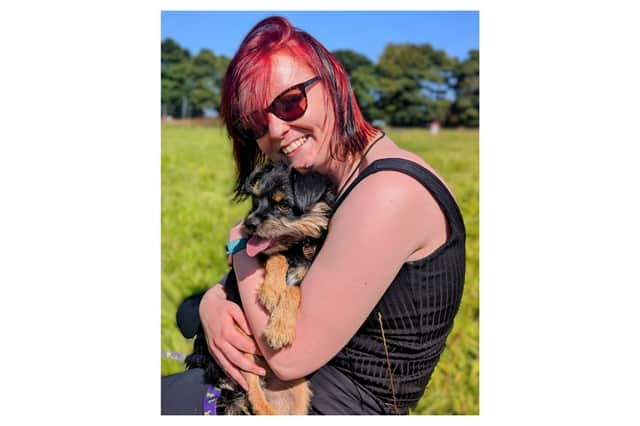
Sally, 38, was classified as an urgent case when she sought an assessment last year while she was pregnant, however, she’d first approached her GP with ADHD symptoms in 2021.
Facing an indefinite wait until her second referral, she said that the difference between waiting as a non-urgent case and an urgent case was like “night and day.”
For Sally, a diagnosis validated why she had felt forgetful and “scatty-brained” throughout her childhood and adulthood, and why she’d always had an internalised feeling of hyperactivity.
She believes her life would be different if she was diagnosed sooner.
Sally said: “If I was offered medication and it worked for me and it could have made a huge difference.
“It could have made a lot of things easier for me. It was just waiting and waiting and waiting and hoping that things were going to change.”
Understanding the NHS ADHD assessment wait times in Leeds.
The Leeds ADHD Service has been temporarily closed to new non-urgent referrals since October 2024, but some patients are still waiting more than two years for an assessment.
Figures obtained by the Yorkshire Evening Post following a Freedom of Information Request show that since the pause the average waiting time for patients through the Leeds and York Partnership NHS Foundation Trust steadily rose.
They reached a peak of over 1,000 days of waiting in January 2026.
Since then, the average wait time has started to decline, however, in July 2026, it was still two years higher compared to when the Service introduced the pause.
Why are more adults seeking ADHD assessments?
The number of adults seeking an NHS ADHD assessment across the UK has risen by 20.7% between September 2024 and September 2025.
For Henry Shelford, CEO of ADHD UK, the rise in demand can be amounted to a dramatic increase in ADHD awareness over the past 20 years.
Henry said: “We didn’t actually formally recognise ADHD until the year 2000 for children and 2008 for adults. If you’re wondering why there are all these middle-aged people like me coming forward, it's because I had no chance getting picked up as a kid.
“We’re finally having a conversation about ADHD, people recognising it in themselves and coming forward for an assessment.
“In any other medical area it’d be celebrated that more people are getting the treatment they need.”
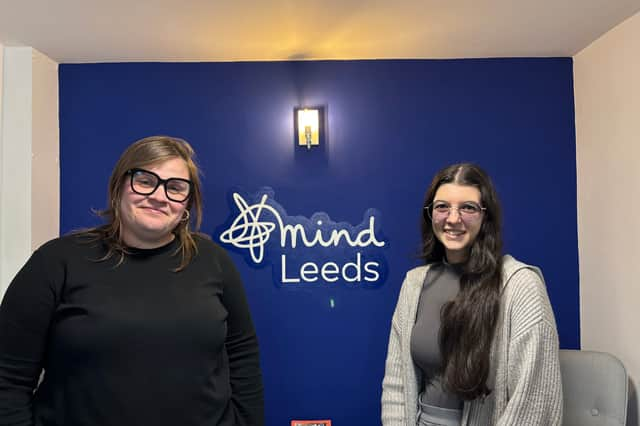
Katie Morris, counselling co-ordinator at Leeds Mind, also shared that she’s seen a lot of parents only realise they may have ADHD when they see their child go through a diagnostic process.
She noted that Leeds Mind has noticed an increase in people with or who suspect they have ADHD use Mind’s counselling service.
Katie said: “There’s more awareness now with more people talking about their experiences more.
“It’s becoming more acceptable to say that I think this could be going on.”
“People are recognising it in themselves and the stigma is decreasing but there’s more work to do.”
The impact of a diagnosis
An ADHD diagnosis enables an individual to access specific medication to manage their symptoms.
For Kathleen, starting ADHD medication “transformed” their life for the better.
“The medication has absolutely changed my life. It’s like I am living a new life.
“Medication is highly personal but for me, it has saved my life.”
Not everyone with diagnosed ADHD chooses to go on medication, but for them a diagnosis can still provide clarity.
Jane Lindsay, a counsellor at Leeds Mind said: “We often see people attempting to be neurotypical and act and be a certain way, which can really impact their mental health and their self-esteem and identity and the longer that they are uncertain about what's going, the bigger the mental health impact.
“Diagnosis doesn't give you the answer to everything but it helps you go ‘what I’ve being going through is a real thing and it’s something that I can now get the right support for’.”
Without a formal diagnosis, an individual with suspected ADHD can still access certain accommodations such as reasonable adjustments within the workplace and counselling.
The importance of an ADHD diagnosis varies from person to person but Leeds Mind hope to emphasise that a diagnosis is just “one piece of the puzzle”.
Jane said: “The role that diagnostic services can play is really important. We’re talking about helping people wait for this diagnosis, but it’s actually doing really useful work as well.”
Katie added: “There is an impact of waiting, so timely support is important but you don't have to wait for your diagnosis to get some sort of support.
“Ideally, you'd be able to get your diagnosis sooner but if you can’t, there is support.”