
Thinking about weight loss treatment? Here's what a pharmacist wants you to know

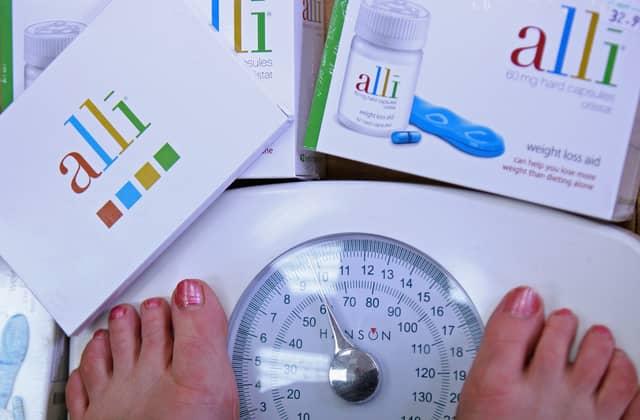

Weight-loss drugs are now available across the UK through the NHS and privately 💉
- An estimated 1.5 million people in the UK use weight-loss treatments.
- Weight loss medications are available both on the NHS and privately.
- A pharmacist is warning patients to get their weight loss treatments from legitimate providers.
A leading pharmacist is warning patients to ensure they get their weight loss drugs from legitimate sources.
An estimated 1.5 million people in the UK use weight-loss treatments, with that number expected to rise after GPs were given the green light to prescribe them.
Weight-loss drugs are now available across the UK through the NHS and privately. Patients are advised to consult a registered pharmacy or a licensed clinic to begin treatment safely, under the supervision of a certified healthcare professional.
George Sandhu, Deputy Superintendent Pharmacist, at Well Pharmacy, said: “To obtain weight-loss treatments, you'll typically need a consultation with a pharmacist or healthcare professional who can assess your suitability and prescribe the medication.
“These are not available over-the-counter and require a detailed consultation to ensure they are appropriate for each patient considering them.
“Treatment can at times come with side effects for a small number of patients, which is why we advise patients to ensure they speak with a qualified professional who offers expert advice rather than relying on unverified online sources.”
What should you know before starting weight loss treatments?
It’s important to do research before taking weight loss medications. You will need a consultation with a pharmacist or healthcare professional before starting treatment.
Weight loss medications are not available over-the-counter, and treatment can sometimes come with side effects.
Mr Sandhu has outlined three things you must know before starting weight loss treatment.
Beware of fakes
The one piece of advice Mr Sandhu gives above all the rest is to only buy weight loss treatments from registered UK pharmacies or licensed clinics.
Mr Sandhu said: “There are a growing number of places selling cheap, counterfeit weight-loss treatment, through unofficial sellers on social media or rogue websites.
“Not only can buying cheap from these unlicensed sources be ineffective, but you could also be dangerously risking your health. Licensed medications go through very strict quality controls before they are approved.
"These knock-off products could contain toxic or harmful ingredients – increasing the risks of an anaphylactic or allergic reaction or triggering significant health problems or even death.”
Start small
Weight loss treatments can cause potential side effects, including nausea, vomiting, constipation, diarrhoea, stomach pain, and bloating.
Eating little and often and starting on a small dose that slowly increases can help reduce side effects.
Mr Sandhu explained: “One way to reduce bloating and stomach ache is to start with smaller doses and more frequent meals. Stick to digestible foods and avoid greasy, fatty, or heavy options.
“Be sure to stay hydrated, especially during the summer, by drinking regular sips of water. You can also try (sugar-free) electrolyte drinks, herbal teas, or lightly sparkling water.”
The timing of when you take your treatment is also important, with some people feeling better taking it at night, whilst others prefer mornings.
If you experience any of these symptoms, speak to your pharmacist, who will be able to offer advice.
Mr Sandhu added: “Everyone reacts differently – so it pays to experiment to see what works best for you, your routine and your symptoms. Many of these symptoms might only last for a few days as you initially begin treatment and your body adjusts, but they should subside.”
Headaches will pass
Another common side effect is headaches and fatigue, which can be caused by changes in blood sugar levels and dehydration.
Mr Sandhu said: “Your body is adjusting, and often these symptoms will pass after the initial period, so I’d advise staying the course, even if you are feeling somewhat unwell initially. Ensure that you drink plenty of water – it is advised to try and drink two litres per day to stay hydrated.”
You can find out more about how to lose weight and get active at Better Health.