
'It saved so much time': University of Leeds researchers use AI to ease pressure on GP services

University of Leeds researchers have piloted artificial intelligence to streamline routine paperwork and support work at a city centre GP surgery.
Two PhD researchers have helped GPs and urgent care centres drive better engagement with patients with the support of artificial intelligence.
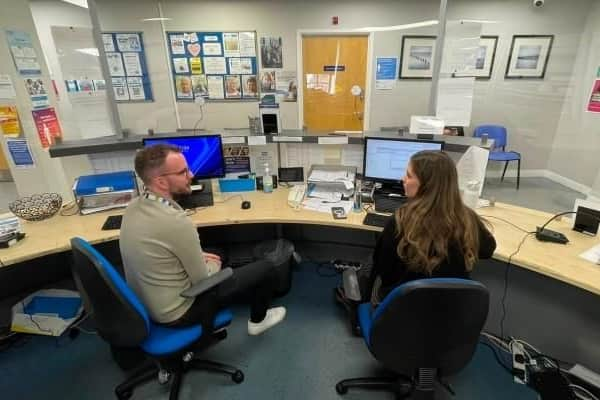

Working alongside clinical staff at The Light Surgery in Leeds city centre, the University of Leeds researched have explored technological solutions to ease operational pressures on healthcare staff.
Family-owned healthcare provider OneMedical Group, which is based in Leeds and delivers services across the country, enlisted interns Sashi Kiran Mahapatra and Omar Choudhry to explore how academic AI expertise could refine patient pathways and streamline heavy administrative workloads.
During his month-long placement, Omar, who chairs the AI Society at Leeds University Union and is studying an integrated PhD and MSc in Artificial Intelligence for Medical Diagnosis and Care, proposed an AI system to fast-track specialist referrals.
By identifying patients requiring access to dieticians, dermatologists, physiotherapists or mental health practitioners, the system explored ways they could potentially access care directly without needing an initial GP appointment to start the process.
Omar also overhauled the turnaround time for university mitigating circumstances letters - allowing a task that could take weeks to be completed to be finished within minutes on the same day.
Omar said: “I also helped staff become more confident in using AI for compiling emails and documents. It saved them so much time.”
He added: “Better communication, problem solving and teamwork are more important than ever and this is why our internship at OneMedical Group was so important.”
Fellow researcher Sashi, who moved from India to Leeds to undertake a Masters by Research in Digital Health, analysed missed appointments, recorded by surgeries as ‘Did Not Attends’, to determine why patients fail to show up for scheduled care.
Sashi said: “I discovered that people missed appointments particularly in the early morning or mid afternoon due to commuting and childcare issues, and that communication failures also contributed to appointment gaps.”
She also suggested more personalised and proactive support, such as with transport and language, and highlighted potential issues with the coding system to improve follow-up processes.
Rachel Beverley-Stevenson, co-founder and chief executive of OneMedical Group, said: “These projects demonstrate how applied AI research can highlight system inefficiencies, devise better workflows and free up clinical time to focus on what matters most – patient care.”
While OneMedical Group focused on the operational impact within primary care, the university highlighted the wider value for the health service.
Owen Johnson, associate professor AI and Digital Health at AI-Medical at the University of Leeds, said: “For AI to be successful in the NHS we need many more collaborations like this.”