
What is botulism? Signs and symptoms explained after suspected cases in Leeds

Cases of suspected botulism have been detected in Leeds.
The UK Health and Security Agency (UKHSA) have warned after a number of cases of suspected botulism have been detected, linked to cosmetic procedures.
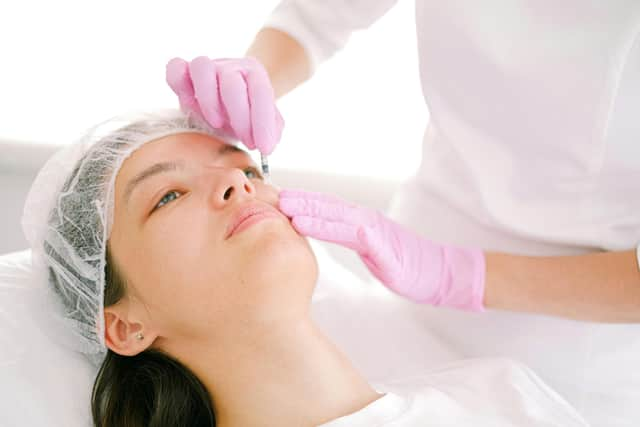
It comes after several people presented to NHS services with symptoms of botulism after undergoing cosmetic procedures involving botulinum toxin. Cases of botulism are rare, but they can be serious and even life-threatening.
People are being advised to take precautions before undergoing aesthetic procedures, and guidance has been issued to clinicians to ensure they are aware of possible botulism in people who have recently had a procedure and are displaying symptoms.
What is botulism?
Botulism is a rare but life-threatening condition caused by toxins produced by Clostridium botulinum bacteria. The NHS explains that these toxins attack the nervous system and can cause paralysis.

What causes botulism?
Botulism is caused by the Clostridium botulinum bacteria. Found in soil, dust, river, and sea sediments, it is not harmful by itself, but can produce highly poisonous toxins when deprived of oxygen.
There are four main types of botulism:
Food-borne botulism
When someone eats food containing Clostridium botulinum bacteria because it has not been properly canned, preserved, or cooked.
Wound botulism
It usually occurs as a result of injecting illegal drugs contaminated with the bacteria into the muscle rather than a vein.
Infant botulism
When a baby swallows a spore from contaminated soil or food, such as honey.
Iatrogenic botulism
When too much botulinum toxin is injected into the body, this can happen when the toxin is used in a cosmetic procedure or to treat specific health conditions.
What are the symptoms of botulism?
The signs of botulism can develop in a few hours to several days after exposure, with symptoms depending on the type of botulism you have contracted.
Botulism is rare in the UK, but it can be life-threatening. Without treatment, it will eventually cause paralysis that spreads down the body from the head to the legs.
Symptoms of botulism can include:
- drooping eyelids
- blurred or double vision
- facial muscle weakness
- difficulty swallowing (dysphagia)
- slurred speech
- breathing difficulties
Whilst other people will experience nausea, being sick (vomiting), stomach cramps, diarrhoea, or constipation.
How to avoid botulism?
The UKHSA urges anyone seeking aesthetic treatments to:
- Ensure their practitioner is wearing PPE and washing their hands.
- Make sure a pre-consultation is carried out, including an assessment of medical history and a discussion about qualifications.
- Ensure the practitioner provides a consent form outlining the risks.
- As botulinum toxin injections are prescription-only medicines, practitioners should be able to tell you who the prescriber is.
Anyone who has recently undergone a cosmetic procedure and is experiencing symptoms is advised to contact NHS 111 or attend their nearest A&E.
The NHS has more information available for people considering a cosmetic procedure, including advice on what to look for in a practitioner and what to avoid. You can read more here.