
What is botulism? The symptoms you need to look out for after warning issued over 'fake Botox' injections

It can take up to four weeks for the symptoms of botulism to develop 🏥
- There have been 38 cases of iatrogenic botulism detected in the North East of England.
- The botulism cases happened after patients underwent cosmetic procedures involving the suspected use of unlicensed Botox-like products.
- The UK Health Security Agency (UKHSA) are warning people to be aware of the signs and symptoms of botulism.
People who have had cosmetic procedures involving botulinum toxin are being warned by the UKHSA to look out for the symptoms of botulism, after a series of cases have been reported.
Detected in the North East, they relate to procedures carried out in the East of England and East Midlands. The poisoning occured after suspected use of unlicensed Botox-like products in cosmetic procedures, the UK Health Security Agency (UKHSA) said.
There have been 38 cases of iatrogenic botulism between June 4 and July 14. As yet there are no known links between the newly diagnosed cases and those in the North East.
Investigations behind the infections are being carried out, with evidence suggesting they have been caused by the use of an unlicensed product.
Professor Meghana Pandit, Co-National Medical Director secondary care at NHS England, said: “When these procedures go wrong, there is a risk of serious infections and permanent scarring, which is why only registered professionals like a doctor, a nurse or pharmacy prescriber should be prescribing these treatments.
“If you decide to undergo a cosmetic procedure like Botox or lip fillers, there is advice on the NHS website on the questions to ask, including making sure that the person administering it is trained to do it.”
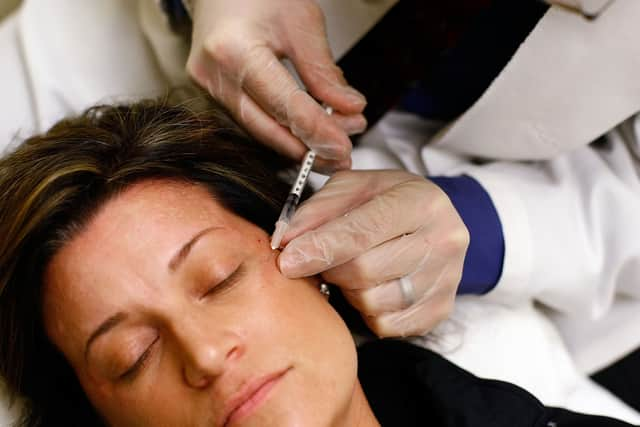

What is botulism?
Botulism is a rare but life-threatening condition that is caused by toxins produced by Clostridium botulinum bacteria. The NHS explain that these toxins attack the nervous system and cause paralysis.
What are the symptoms of botulism?
Dr Gauri Godbole, Consultant Medical Microbiologist at UKHSA, explained it can take up to four weeks for the symptoms of botulism to develop. Dr Godbole said: “If you have had a recent botulinum toxin (Botox-like) treatment and are having symptoms such as difficulty swallowing or breathing, contact NHS 111 for further advice and seek treatment.”
How do you know if someone is qualified to carry out injections?
Botulinum toxin injections are prescription-only medications that can only be prescribed after a consultation with a healthcare professional, such as a doctor or a nurse. The person who prescribes the treatment must make sure that the person giving you the injections is trained and safe to do so.
Questions you can ask include:
- who the prescriber is
- who'll be giving the actual treatment
- what training and experience they have
- what the insurance arrangements are
The NHS have outlined more information on what steps you can take when finding a practitioner for a cosmetic procedure. You can also check if those who are offering the cosmetic procedures are on a voluntary register accredited by the Professional Standards Authority (PSA).
You can find out more about cosmetic procedures, what to consider and how to choose a provider at NHS.UK.