
Weight loss jabs: Pharmacist shares what to expect after starting weight-loss treatment - at every stage

Around 1.5 million people in the UK use weight loss treatments 💉
- An estimated 1.5 million people in the UK use weight loss medications.
- GPs were given the green light to prescribe weight loss jabs in June.
- A pharmacist has revealed what you need to be aware of when starting them.
A leading pharmacist has revealed exactly what to expect after starting weight loss jabs.
An estimated 1.5 million people in the UK use weight-loss treatments, though that number is expected to rise after GPs were given the green light to prescribe them in June this year.
Weight loss treatments are now available across the UK through the NHS, although the majority of users (estimated at 1.4 million) still access them privately via online pharmacies.
This has prompted calls from Well Pharmacy’s Head of Weight Management Services Mital Thakrar, to urge users to have all the facts in front of them before starting their weight-loss journey.
Mr Thakrar said: “Weight-loss treatments are increasing in popularity and the benefits are plain to see. A recent trial looking at Brit’s weight loss after using weight-loss treatments showed over eight in 10 people lost at least 5% of their weight, and around half lost 15% or more.
“The more patients know about what to expect and how to prevent and or manage side effects, the smoother their journey will be.”

What to expect when starting weight loss injections?
When you start weight loss treatment, the medications are likely to leave you feeling fuller faster, and you may have less interest in food. This is because the drugs delay your stomach from emptying, which can leave you feeling fuller for longer.
Mr Thakrar said: “You may feel nauseous or might even vomit. This is very common in the early days and will pass. One way of easing these symptoms is by eating smaller meals and avoiding fatty or spicy foods.”
Other common side effects include constipation and diarrhoea, which can be managed by ensuring you are drinking water regularly. Fibre supplements or stool softeners are also helpful in easing constipation symptoms.
There are also reports of indigestion or heartburn. Avoid lying down after eating, or speak to your pharmacist about antacids that can help by neutralising excess stomach acids.
Mr Thakrar added: “Some users report tiredness and headaches, but this is often temporary and improves with time. My most important piece of advice would be to get expert advice from a trained healthcare professional when you start weight loss treatments.”
When will I start losing weight?
Weight loss will start slowly, peaking between three to six months as your body adjusts.
Mr Thakrar explains: “Initially, most weight loss is water and appetite-related. Peak fat loss comes between months three and six, when results should be visible. It’s after six months that things slow down, unless you’ve changed your habits, like being more active, and eating more healthily.”
What can I do to increase my weight loss?
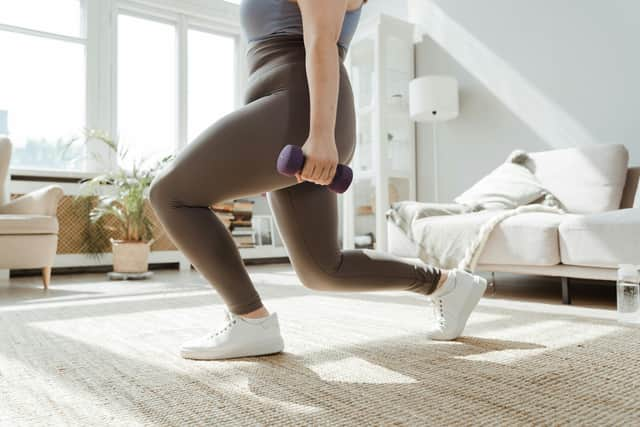
Weight loss treatments enhance, but don’t replace lifestyle changes. Mr Thakrar, explains that it’s important to take diet and exercise into consideration as part of your overall weight loss plan.
When should I seek medical help?
Some side effects indicate you should seek medical help from your pharmacist or doctor immediately. This includes persistent vomiting, intense abdominal pain, or ongoing feelings of nausea.
Mr Thakrar said: “This could be early signs of pancreatitis, which is a serious condition where an organ called the pancreas becomes inflamed. Many people with acute pancreatitis recover within a week with treatment and rest. But severe cases can lead to complications like pancreatic necrosis (tissue death), infection, pseudocysts (fluid-filled sacs), and organ failure.”
If you are having difficulty breathing, swallowing, or a rash or swelling, this could be a sign of an allergic reaction and requires urgent medical help.
Mr Thakrar said: “These might be signs of a serious allergic reaction (called anaphylaxis) or airway swelling, both of which can become life-threatening very quickly.
“Even though these reactions are rare with weight-loss treatments, they can still happen, especially when starting a new medication, so it’s important to be vigilant and act quickly if you have any concerns. If it’s a serious medical emergency, call 999”
Will weight loss medications work long-term?
Most people lose at least 5% of their body weight when following weight loss treatment, with around half losing 15% or more.
Mr Thakrar said: “To put it into perspective, if you weigh 100 kg, a 15% loss is around 15 kg (about 2.5 stone), and if you weigh 85 kg, a 10% loss is 8.5 kg (just over a stone)”.
However, for the treatment to remain effective, you must combine weight loss treatment with healthy habits like eating well and exercising more to see long-term improvements.
You can find out more about how to follow a healthy lifestyle and tips for weight loss at NHS Better Health.