
Leeds GP helps shape pioneering research into preventing inherited cancers

The pioneering study aims to look at a new way of preventing cancer for those with an inherited genetic risk
A Leeds GP is helping lead a pioneering cancer study which could pave the way for a new way of preventing cancer in people with an inherited genetic risk.

Yorkshire Cancer Research has awarded £346,531 to a pioneering first-of-its-kind study exploring whether people with an inherited genetic risk of cancer would consider taking drugs called PARP inhibitors as a way of reducing their risk of developing cancer.
The PARP Inhibitors for Cancer Risk Reduction in Carriers (PARCC) study, led by Dr Stephanie Archer from the University of Cambridge, will involve more than 1,300 people from Yorkshire taking part in research.
Around 176,000 adults in England – including nearly 17,000 in Yorkshire - are estimated to carry inherited changes in genes called BRCA1, BRCA2 and PALB2, which increase the likelihood of developing cancers including breast, ovarian, prostate and pancreatic cancer.
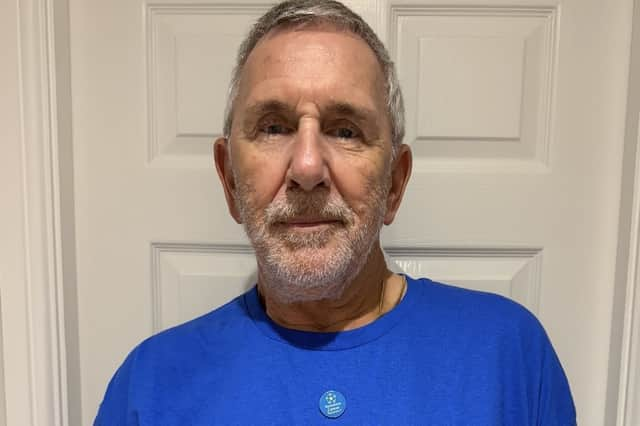
Dr Stewart Manning, a retired GP from Beeston, is the Patient and Public Involvement and Engagement (PPIE) lead for the PARCC study, helping researchers ensure people with experience of inherited cancer risk are involved in shaping the research from the outset.
He will play a key role in identifying and engaging people who may be eligible to take part in the study, with a particular focus on reaching diverse communities and those who have traditionally been underrepresented in research.
Dr Manning said: “Before new prevention approaches can be tested, it is vital we understand the views, priorities and concerns of the people they are designed to help. My role is to look at the study from the participant’s point of view and help make sure people are given clear information, have the chance to ask questions and feel confident about what taking part would involve.
“It is not enough to simply invite people to join a study.

“We need to understand the barriers they may face, whether that is language, travel, time off work or trust in healthcare, and work with communities in a way that feels accessible and respectful. If we get that right, the research will be stronger, more inclusive and more likely to lead to prevention options that work for people in real life.
“The success of this study depends on reaching people from a wide range of backgrounds and experiences. If research only hears from a small number of voices, the findings may not reflect the needs of everyone. By helping more people take part, we can ensure any future prevention trials are shaped by the people they are ultimately designed to benefit.”
Yorkshire Cancer Research is funding £75m of pioneering research and innovative cancer services to help prevent, detect and treat cancer more effectively.
Dr Stuart Griffiths, director of Research, Policy and Impact at Yorkshire Cancer Research, said: “The charity is driving an exciting next step in cancer prevention research, thanks to advances in the understanding of genetics, cancer risk and personalised medicine.
“The PARCC study represents important progress and supports Yorkshire Cancer Research’s commitment to fund bold, innovative research that challenges how we think about cancer and puts people in Yorkshire at the heart of future discoveries.