
Ashing up: How heritage rail firms are helping to keep canal lock tradition alive in Yorkshire

A centuries-old practice that has helped keep the country’s historic canal lock gates in working order is still used today – and the region’s heritage railways are playing a key role in keeping it going.
Yorkshire’s canals and railways, which both date back to the Industrial Revolution of the 19th century, are working in partnership to continue the maintenance practice of ashing-up – a traditional method used to seal gaps in lock gates and minimise water loss.
Canal & River Trust, the charity that cares for and maintains 2,000 miles of canals and river navigations in England and Wales, has been collaborating with heritage operations the Keighley Worth Valley Railway, Embsay and Bolton Abbey Railway, and most recently Middleton Railway to help maintain water levels across the canal network by using ash from steam trains.
The technique dates back to the 19th century, when heavy boat traffic meant water was often in short supply.
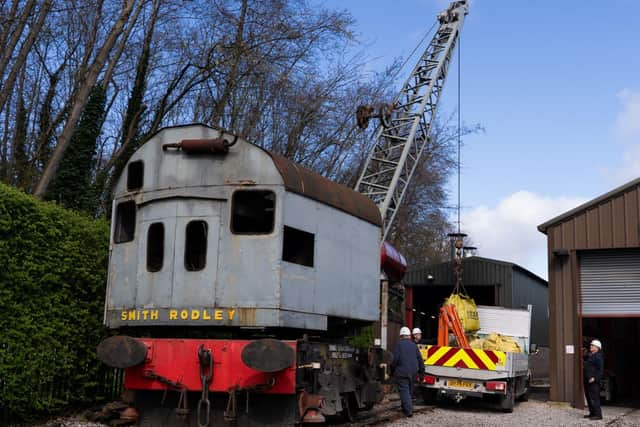

Lock keepers would apply coal ash from the fireboxes of steam locomotives overnight to maintain watertight locks, and with steam railways located alongside canals, ash was readily available.
Tonnes of ash would be used to seal the lock gates and maintain the water levels, particularly during the summer months when the warmer weather lowers water levels on canals.
Today, the UK’s largest canal charity continues to use this time-tested method sparingly while undertaking essential repairs, such as its annual winter restoration and maintenance programme and emergency lock works.
Over the years a range of modern and organic alternatives – including rubber and polymer sealants, soaked sawdust, wood chips, and natural clay – have been tested. None, however, match the effectiveness of railway ash in creating a reliable watertight seal.
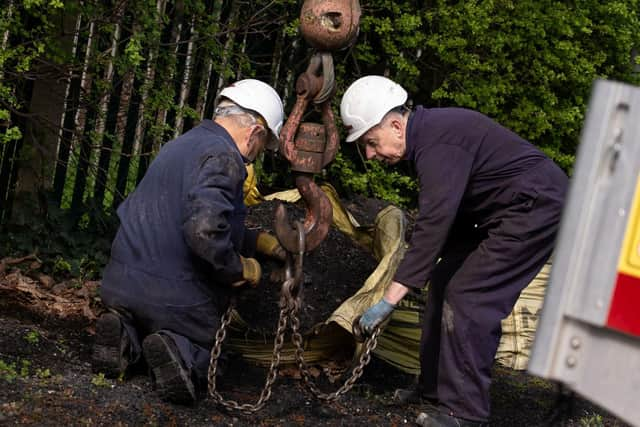
Darren Trolley, team leader at Canal & River Trust in Yorkshire & North East, has decades of experience using this technique along the Leeds & Liverpool Canal.
He explainsed: “Sometimes the old ways really are the best when it comes to working on the canals and it’s great to see Yorkshire’s heritage railways and canals supporting each other.
“The process of ashing-up is a simple, cost-effective solution that reuses a by-product of the heritage railways.
"We pour a small amount of ash into the canal just above a lock, and the flow of water draws it into the gaps in the gates, forming a completely watertight seal. It’s amazing to see this technique in action and to think it’s still being used centuries later.”
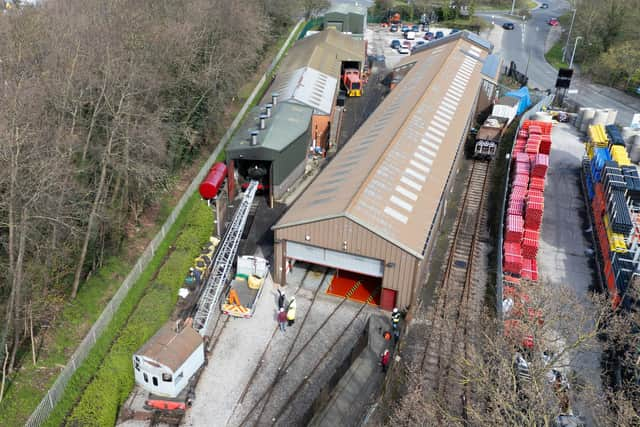
Ian Smith, Vice President of Middleton Railway, said: “This really is a win-win for ourselves and the Canal & River Trust.
"We have a responsible way of disposing of our ash, and the trust can use it to repair locks and keep another heritage operation running for many people to enjoy.”
For more information about Canal & River Trust, including how you can get involved in supporting your local canal visit – www.canalrivertrust.org.uk visit www.canalrivertrust.org.uk