
Inside the major maintenance programme keeping Yorkshire's canal system going

We may well take our canal system for granted but there is a huge operation behind the scenes to keep things ticking over. Steve Teale reports.
Looking after Yorkshire’s vast canal network seems to be a never-ending task. No sooner is it done than planning for more work starts again.
The responsibility lies with the Canal & River Trust, the charity charged with the care of 2,000 miles of canals and river navigations in England and Wales.
It is putting the finishing touches to a wide-ranging programme of major maintenance and preservation projects to help keep Yorkshire’s historic canal network navigable and safe.
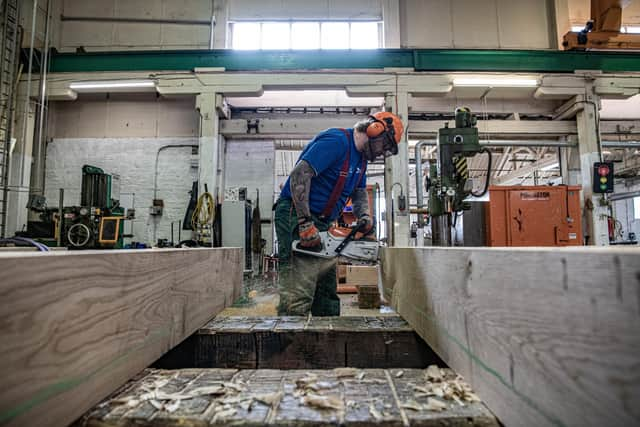

This annual multi-million pound, comprehensive scheme of works across the nation’s waterways – including those in Yorkshire – is undertaken by the charity’s skilled teams.
It is essential to ensure the upkeep of the 250-year-old man-made canal network. The work takes place between November and March when there is less boating traffic.
Although the work has included repairs to ageing assets such as bridges, tunnels, embankments, sluices, culverts and canal walls, the bulk of the projects have been replacing multiple lock gates which have reached the end of their 25-year lives. Removing and replacing these lock gates is a major feat of engineering.
Each lock gate is individually designed and hand-built at one of the charity’s two specialist workshops, as no two locks are the same width or depth. The lock gates are then fitted by skilled teams on site.

One of these specialist workshops is in Yorkshire, at Stanley Ferry near Wakefield, where a team of technicians and craftspeople employ traditional techniques to make lock gates.
Some of the biggest gates built at Stanley Ferry for this programme of work – at nearly 12ft (3.5 metres) wide and more than 21ft (6.5 metres) high – were for the lock at Bank Dole on the Aire & Calder Navigation, near Kellingley.
The 30 projects undertaken across canal and river navigations in Yorkshire include lock gate replacement at Sykehouse Lock, used primarily by freight on the New Junction Canal, part of the Sheffield and South Yorkshire Navigations; and lock gate replacement and masonry repairs at Lock 5 Woodside Mills on the Calder & Hebble Navigation, near Elland.
The trust’s teams have faced several weather-related challenges because of storms, flooding and one of the wettest winters in recent times.
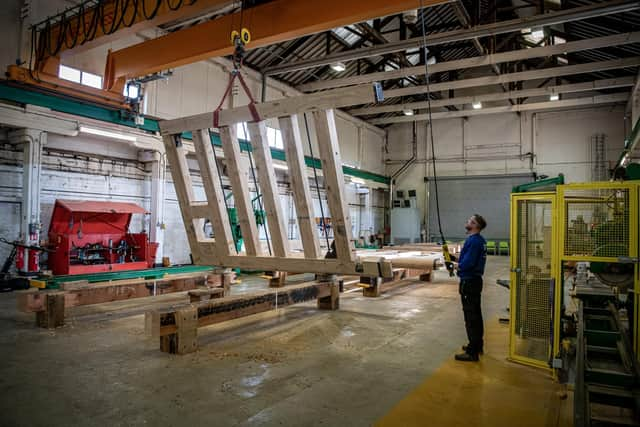
The lock gate replacement at Bank Dole Lock on the Aire & Calder Navigation was interrupted by severe flooding when Storm Claudia battered the country before Christmas.
Water levels on the River Aire swelled, pouring into Bank Dole Cut, flooding the lock that had been drained to carry out the work. Yet thanks to the tireless effort of the team, the flooding set the works back only a matter of weeks.
Malcolm Horne, chief infrastructure and programmes officer at Canal & River Trust, said: “Winter is the time of year when the focus for our skilled, specialist teams turns to delivering the larger maintenance and engineering projects that are essential to keeping our 250-year-old canal network open and alive.
“Canals are centuries-old working heritage and, with rising costs, climate pressures and more extreme weather events, the challenge of keeping them in good condition for navigation has never been greater.
“While millions of people use and visit the canals every week, perhaps they don’t stop to think about what it takes to look after them – or what we would lose if they were gone. Our canals cannot take care of themselves – keeping the nation’s canals open and safe requires millions of pounds.”