
'Dine out or lose us': Leeds restaurants’ rallying cry this summer

Today the YEP joins forces with the city’s hospitality heroes to issue a rallying cry as we launch a new campaign
Leeds’ hospitality leaders have issued a stark warning as the Yorkshire Evening Post launches Leeds Summer Served - a ten-week campaign celebrating the city’s food scene while confronting the pressures threatening its future.
The message from chefs, operators and industry bodies is blunt: use your local restaurants this summer, or risk losing them for good.
Across the country, hospitality closures are running at four a day, and Yorkshire is no exception. Kate Nicholls, chair of trade body UKHospitality, says the sector is entering the summer season in a “fragile” state.
“It shouldn’t be as fragile as it is,” she said. “But businesses have faced steep increases in tax and the cost of doing business. A third of operators are now running at or below break-even. The money coming through the front door simply isn’t enough to cover the ever-increasing costs.”
‘Walking the breadline’
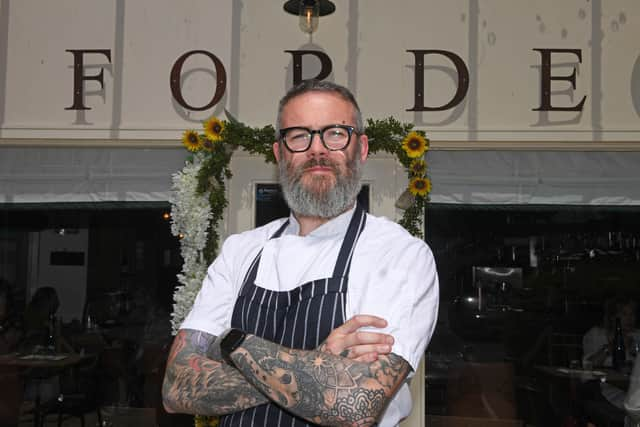

Few know the reality better than Leeds chef and restaurateur Matt Healy, who runs Forde in Horsforth and Ilkley. He describes the situation facing independents as “blooming difficult”.
“I think a lot of businesses are walking the breadline,” he told the YEP. “Everyone’s feeling the pinch, not just hospitality. We’ve had to put offers on midweek just to get people through the door. People want to go out, but it’s just too expensive, and that’s not the operator’s fault. It’s escalating costs everywhere else.”
The list is long: energy, wages, food inflation, booking systems, bin collections, rent and rates.
“VAT is an absolute killer,” he added. “And some costs are just wild. A wheel of Camembert that cost £1.75 a couple of years ago is now £3.95. You can’t absorb that forever.”
Healy has experienced both sides of the industry - the success of Forde and the closure of his previous restaurant, Matt Healy X The Foundry, during Covid.
“It taught me not to be frivolous,” he said. “You have to look at every invoice, every cost. It’s 100 per cent harder to run a restaurant now than it was 10 years ago.”
Covid’s long shadow
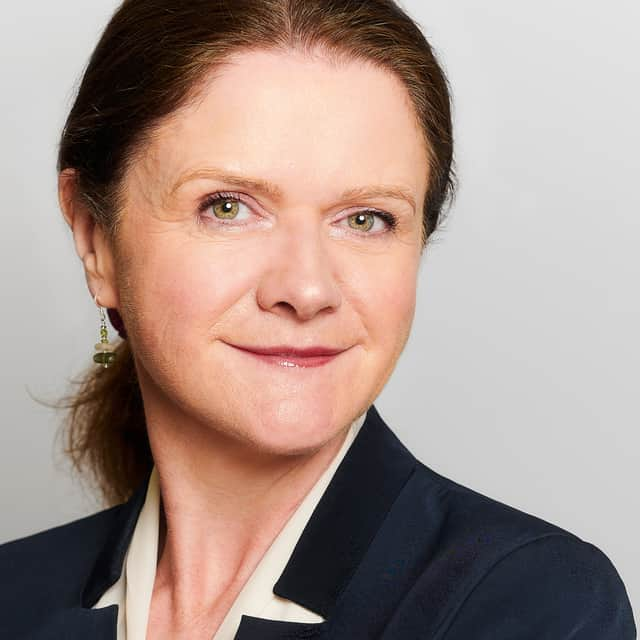
Nicholls says the pandemic’s impact is still being felt far more than many realise.
“These businesses were closed or restricted for the best part of two years,” she said. “Even in the best environment, recovery wouldn’t have come until 2024 or 2025. But we’ve had successive global shocks - war in Ukraine, energy price spikes and food inflation. And the biggest issue now is debt. Loans taken out at one to two per cent interest are now being repaid at eight to 10 per cent. Balance sheets were shattered.”
Independents, she warns, are the most exposed.
“Nine out of 10 business failures in the last two years have been independents. They don’t have the buying power or the ability to offset costs across multiple sites. They run out of road more quickly.”
A thriving scene - but a fragile one
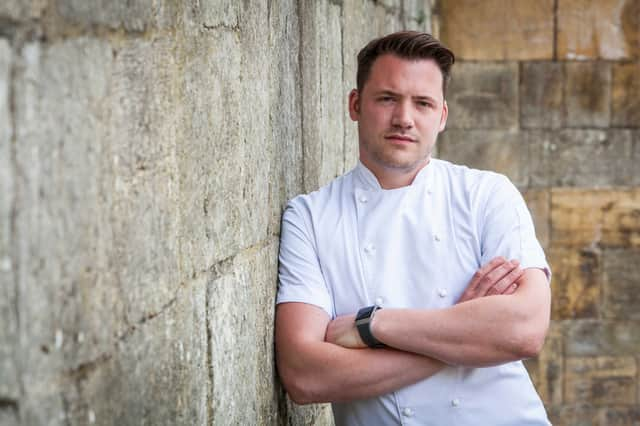
Despite the pressures, Leeds’ food scene has never been more exciting. Michelin-starred chef Tommy Banks, who runs The Black Swan at Oldstead and Roots in York, says the region is finally getting the recognition it deserves.
“Yorkshire and the North East are really thriving,” he said. “What we do well is hospitality - great craft, great food and great service, but in an informal way. Leeds has some fantastic operators. The rise of neighbourhood restaurants is brilliant.”
Banks points to the likes of Highland Laddie, Empire Cafe, Silver’s Deli, Cheesy Living Co. and a wave of suburban independents that have received national praise in recent years.
“There’s never been a better time to eat out in Leeds,” he said. “But it’s also the hardest time ever to run a hospitality business. Every metric is going in the wrong direction - VAT, energy, food inflation and National Insurance. It’s death by a million paper cuts.”
Summer pressure - and opportunity
Summer is traditionally a crucial trading period, particularly for suburban and rural businesses. This year, Nicholls says, it could be make or break.
“From Easter to the end of the school holidays is when many Yorkshire businesses make the money that gets them through the rest of the year,” she said. “Even a small visit - a coffee, a pint or a meal - could be the difference between staying afloat and going under.”
Major events like the World Cup can bring a short-term boost, but not always a sustained one.
“You can get a 40 per cent uplift when the home nations play,” Nicholls said. “But customers might not come out again later in the week. Their money isn’t going as far.”
Healy has already seen the pattern.
“We got hammered before the England match last week - then the place emptied by 8.30pm,” he said. “It helps, but you can’t survive on weekends and big events alone.”
‘Use it or lose it’
That is the heart of Leeds Summer Served: a call to action for residents to support the independents that give the city its flavour.
Banks puts it simply: “If you spend money with small independents, it stays in your community. It employs local people, supports local suppliers and keeps your high street alive. If you spend it with big corporations, that money disappears.”
Healy echoes the sentiment.
“It is a luxury to eat out - I get that,” he said. “But if people do a bit of research, there are accessible places out there. And when you support an independent, you’re helping someone who’s walking the line, not lining the pockets of a big chain.”
Nicholls is even more direct: “Use them or lose them. Yorkshire could lose its crown as the foodie capital of the UK if we don’t support the businesses that make it special.”
That message is echoed at Leeds City Council, where councillors say the city’s hospitality industry remains one of its greatest assets.
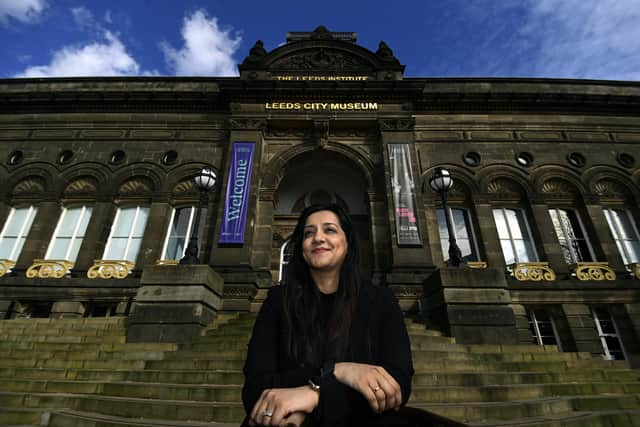
Councillor Salma Arif, Leeds City Council’s executive member for economy, said Leeds had a hospitality sector “to rival any city”, attracting visitors from across the UK and making a major contribution to the local economy.
“Our independent businesses in particular play such a pivotal role in making Leeds a unique and vibrant place to live, work and visit, and it’s their creativity and ingenuity that helps the city truly stand out from the crowd,” she said.
Arif acknowledged the pressures facing the sector, adding: “It’s no secret the past few years have been incredibly challenging for the industry, with the pandemic and cost of living crisis impacting businesses in unprecedented ways.
“The tenacity and determination businesses have shown during the toughest of times has been inspiring, and they both need and deserve our support now more than ever.”
She said the council remained committed to working with local businesses and ensuring the city’s hospitality sector could continue to thrive.
As the YEP shines a spotlight on the chefs, bakers, bartenders, producers and entrepreneurs who shape Leeds’ food culture, the message from the industry is clear: this summer matters.