

First recorded in the 1086 Domesday Book under the names Podechesaie and Podechesai, Pudsey’s roots run deep into West Yorkshire history.
Long before it officially became a town in 1878 - and famously granted borough status in 1900 under the very last incorporation bill granted by Queen Victoria - monks from nearby Kirkstall Abbey regularly grazed their sheep across its rolling fields.
Today, the market town retains a rich architectural footprint spanning centuries of textile, religious, and civic history.
Photographer Gerard Binks took a tour of Pudsey's most iconic streets to capture its heritage as it stands today.
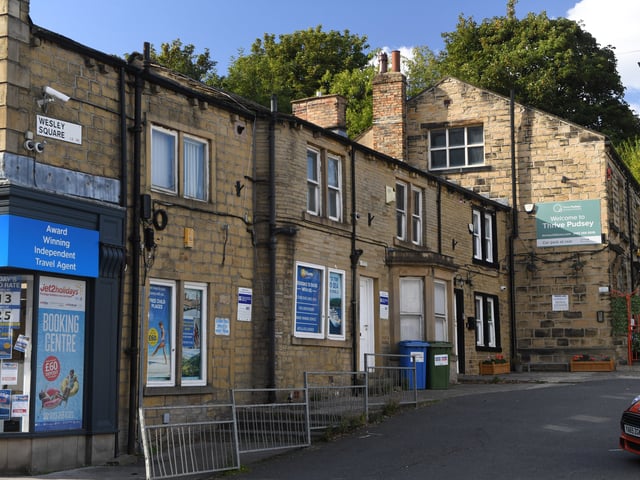
1. Historic Pudsey in pictures
We take a walk through Pudsey's streets where history is around every corner. | Gerard Binks
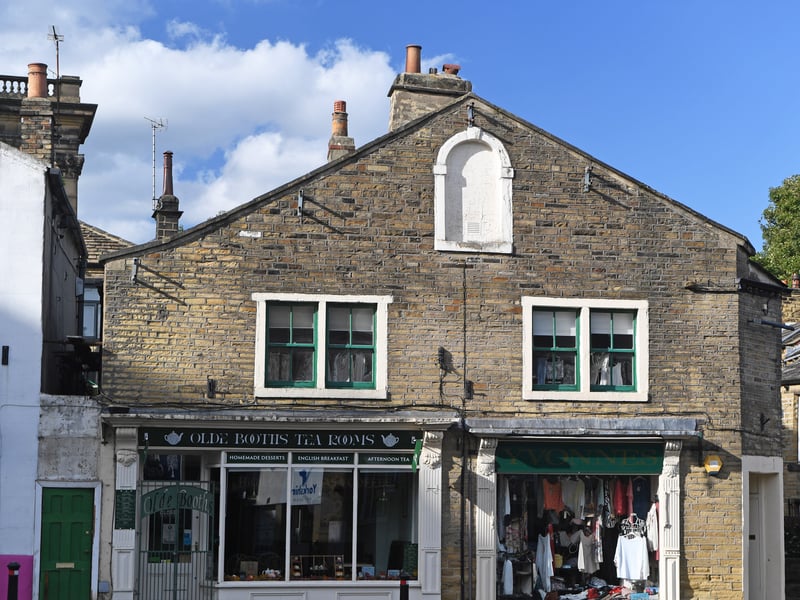
2. Historic Pudsey in pictures
20-22 Lowtown is a Grade-II listed building that now homes The Olde Booths Tea Room and Yvonne's. It dates back to around the late 18th or early 19th century, with the shop fronts inserted in the 1880s. | Gerard Binks
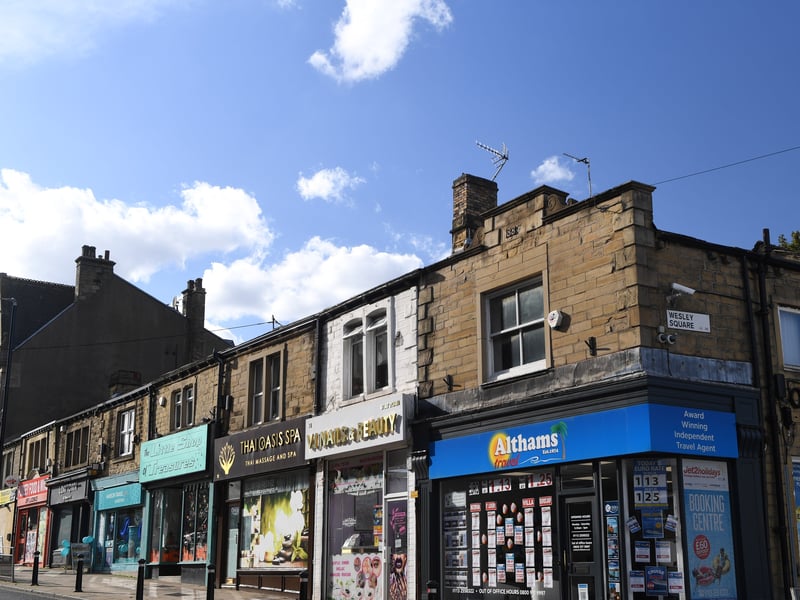
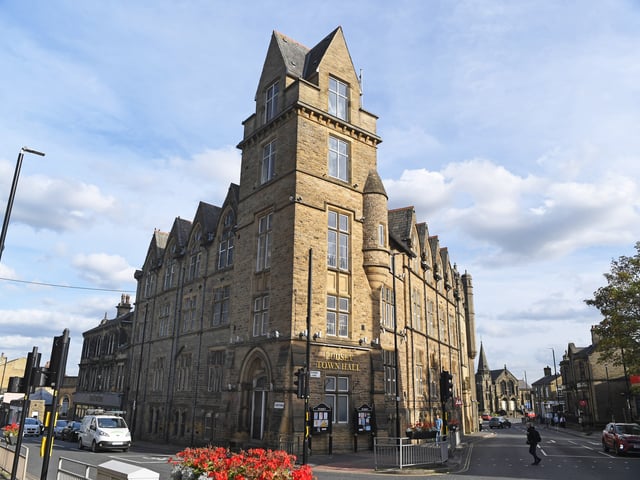
4. Historic Pudsey in pictures
Pudsey Town Hall, which has recently been sold by Leeds City Council, dates back to the Victorian times. | Gerard Binks
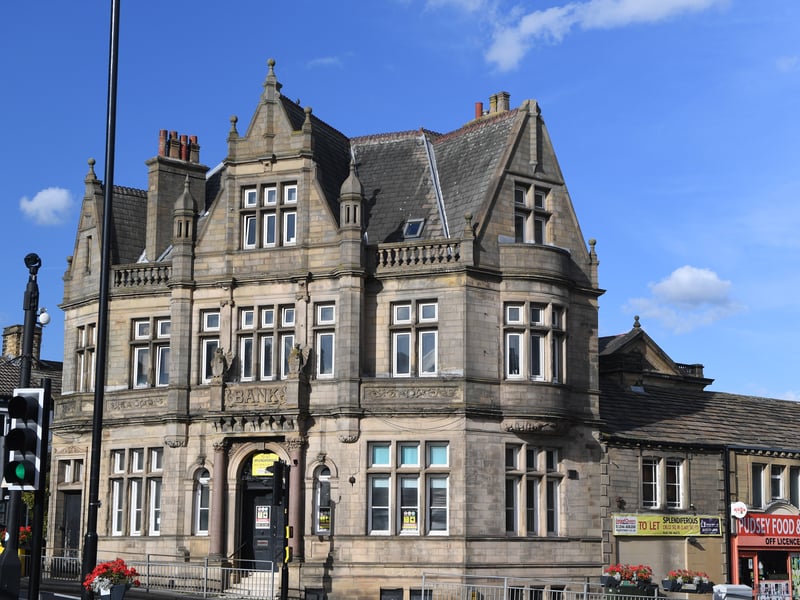
5. Historic Pudsey in pictures
The former National Westminster Bank building on Lidget Hill, opposite the town hall, which is thought to date back to the late 1880s. It's Grade-II listed. | Gerard Binks
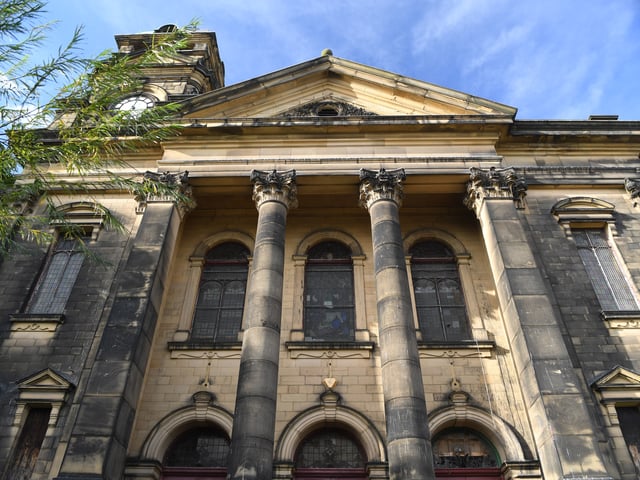
6. Historic Pudsey in pictures
Trinity Methodist Church is a Grade-II listed building on Wesley Square. | Gerard Binks