
Still buzzing at bedtime? Could be late night bad habits
As the pace of life becomes increasingly faster many of us find it difficult to regulate our sleeping habits to ensure we get the right amount of shuteye.
Many of us have a busy schedule and we find it difficult to switch off and get the restful deep sleep our bodies need, leading to us nodding off at our workstations the next day.
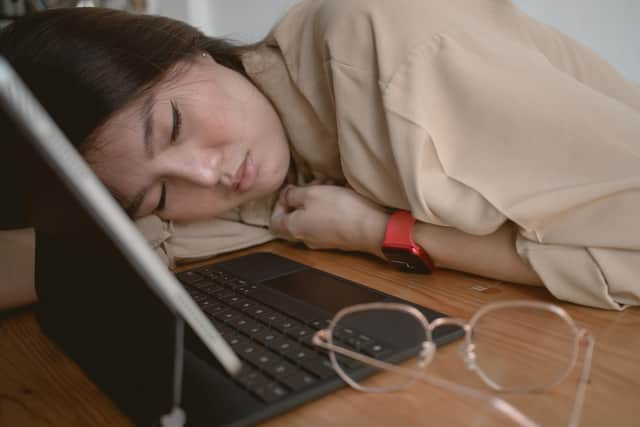

In recent years sleep disruption has become something of a public health epidemic.
But there are things that can help to keep the circadian rhythm - the physical, mental and behavioural changes that occur in our body in a 24-hour cycle, or in other words the
body’s internal clock – functioning normally.
If you want to start troubleshooting your sleep habits there are tips and tricks to help you get a better night’s slumber.
It is tempting to think that alcohol can send you into a deep sleep, but it is well known that a tipple before bed can cause all kinds of problems including insomnia, short sleep duration and even aggravate breathingrelated sleep problems such as obstructive sleep apnoea.
Having a crafty ciggie before bedtime can also lead to sleep related problems. Consuming nicotine within four hours of bedtime can be associated with poor sleep quality, so another reason to put out that cigarette.
And if you’re thinking about getting in an exercise routine before bed, because you didn’t manage to get active first thing in the morning, then think again.
A workout at the right time can help you unwind, but the timing of the exercise can influence whether you achieve good sleep or bad sleep.
Exercising in the evening, especially a vigorous workout, can raise your body temperature, speed up your heart rate and stimulate your nervous system – not ideal for helping you get a good kip.
A good night’s sleep is crucial for maintaining our energy levels throughout the day. Despite being one of the most fundamental human activities, falling and staying asleep can sometimes be challenging.
Nowadays, when we struggle to sleep, many of us distract ourselves by using our phones, scrolling through social media, or watching TV in the hope of eventually falling asleep.
However, many of us fail to realise that these habits severely disrupt our sleep.
Speaking on the subject, bedroom furnishing experts from Bed Kingdom have shared five habits that are ruining our sleep.
USING ELECTRONICS
Using technology before bed can significantly interfere with our sleep patterns. The reason for this is the blue light emitted by screens, which reduces our production of melatonin, a hormone that plays a crucial role in regulating our sleep-wake cycle.
The presence of this light tricks the brain into thinking it’s still daytime, making it difficult for us to fall asleep. Additionally, the engaging content we consume, like TikTok or YouTube, keeping our minds active for longer, further lessening our ability to fall asleep quickly.
Try to avoid using any form of electronics at least half an hour before bed and try to set time limits on your devices that will shut them down at a certain time.
EATING TOO LATE
Eating a meal too close to bedtime can negatively impact your sleep. This happens because the digestive process increases metabolic activity, leading to digestive issues and preventing your body from relaxing completely. Avoiding eating right before bed is important to ensure a healthy routine.
Meals high in fat or spice can negatively affect sleep by causing heartburn or indigestion, making sleep uncomfortable.
NAPPING IN THE EVENING
Napping in the afternoon or evening can also affect your nighttime sleep. When you nap earlier in the day, your brain’s need for sleep may be satisfied, reducing your sleep drive at your regular bedtime.
This could be problematic because if you can’t sleep, you might end up using technology, which can further disrupt your sleep.
To solve this issue, try to shorten your naps and possibly take them earlier in the day or limit your naps each day until you no longer need them.
OVERTHINKING
Overthinking is sometimes an issue we can’t control. We all have worries and stresses that can keep us up at night, whether due to work, school, or personal experiences that weigh on our minds.
When your mind is constantly racing, worrying about things you can’t change your sleep is disrupted. You may feel as though it’s impossible to switch off.
To prevent this from happening, try to incorporate some relaxation techniques into your nighttime routine, such as yoga, meditation,or deep breathing exercises. All of which will significantly help you sleep during times of stress or unease.
CONSUMING CAFFEINE OR NICOTINE
Both caffeine and nicotine are stimulants that significantly impact sleep.
Consuming caffeinated beverages like tea, coffee, or energy drinks late at night can make it difficult for your brain to relax, leading to insomnia and disrupted sleep patterns, which can leave you with little energy for the day ahead.
Using vaping products or smoking cigarettes can have the same effect. Nicotine significantly increases heart rate, preventing relaxation and reducing sleep quality.
Try to avoid caffeine or nicotine before bed to help maintain a healthy sleep pattern.
CEO of Bed Kingdom, Ashley Hainsworth, also added: “Maintaining a good sleep routine is crucial, especially if you have daily responsibilities requiring a lot of energy. Avoiding all these bad habits before bed will significantly help your routine and overall sleep quality.
“Although it may seem challenging to change your habits initially, the benefits will eventually be worth it.”
For more visit: https://www.bedkingdom.co.uk/beds.html site.