

Air pollution in parts of Leeds is still more than three times the recommended international limit, despite having fallen significantly.
None of the nine sites across the city for which figures have been published exceeded the 40µg/m3 UK legal limit for nitrogen dioxide levels in 2023.
But NO2 levels at all nine locations were above the World Health Organisation’s (WHO) recommended limit of 10µg/m3.
Air quality in Leeds is improving, with nearly half the sites at which data was recorded having exceeded the 40µg/m3 limit in 2017.
Air pollution is extremely harmful, causing a reduction in healthy life expectancy equivalent to between 29,000 and 43,000 deaths a year in the UK, according to a 2022 UK Health Security Agency report.
Local authorities are required to publish an air quality annual status report each year, setting out the latest pollution levels and what steps are being taken to improve the air we breathe.
Leeds City Council’s latest report includes NO2 figures from 2023 for nine sites around the city.
Those sites are listed below, from the least to the most polluted. We have only used the data for NO2 levels and not for particulate matter (PM10 and PM2.5).
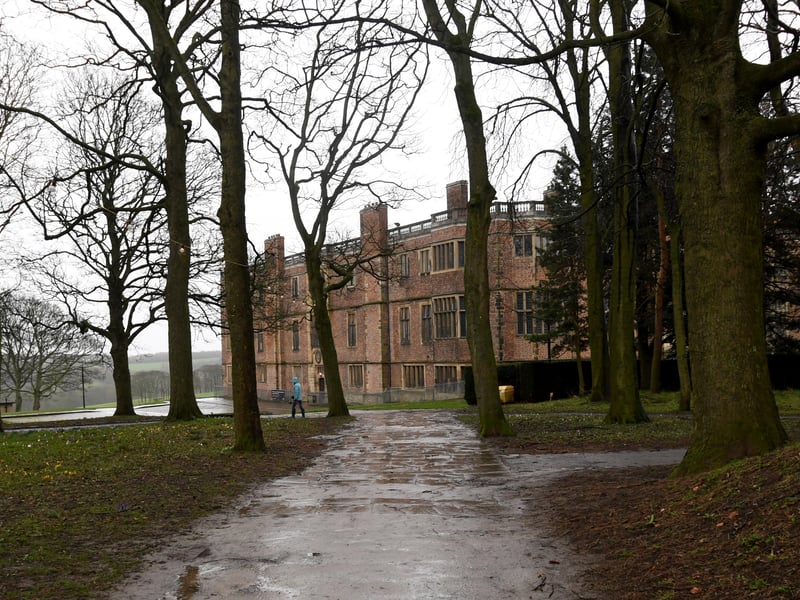
1. Temple Newsam
A18 Temple Newsam is the least polluted of the 9 monitoring sites for which Leeds City Council has published air quality data for 2023. The 12µg/m3 annual mean concentration of nitrogen dioxide (NO2) recorded there in 2023 is just above the WHO's recommended limit, but well below the UK legal limit of 40µg/m3. NO2 levels at the site have decreased from 18µg/m3 in 2017. | Yorkshire Evening Post Photo: YEP
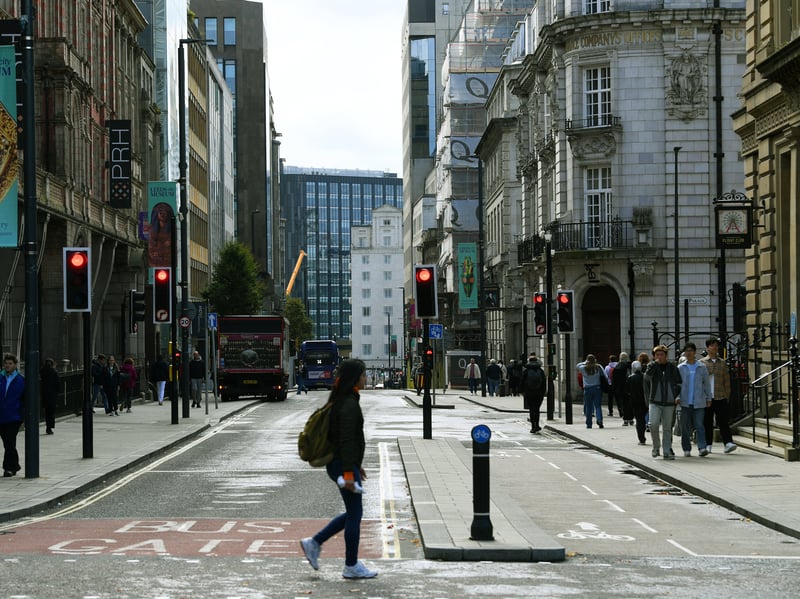
2. Leeds city centre
A1 Leeds city centre is the joint 7th most polluted of the 9 monitoring sites for which Leeds City Council has published air quality data for 2023. The 19µg/m3 annual mean concentration of nitrogen dioxide (NO2) recorded there in 2023 is nearly double the WHO's recommended limit, but less than half the UK legal limit of 40µg/m3. NO2 levels at the site have decreased from 32µg/m3 in 2017. | YPN Photo: Jonathan Gawthorpe
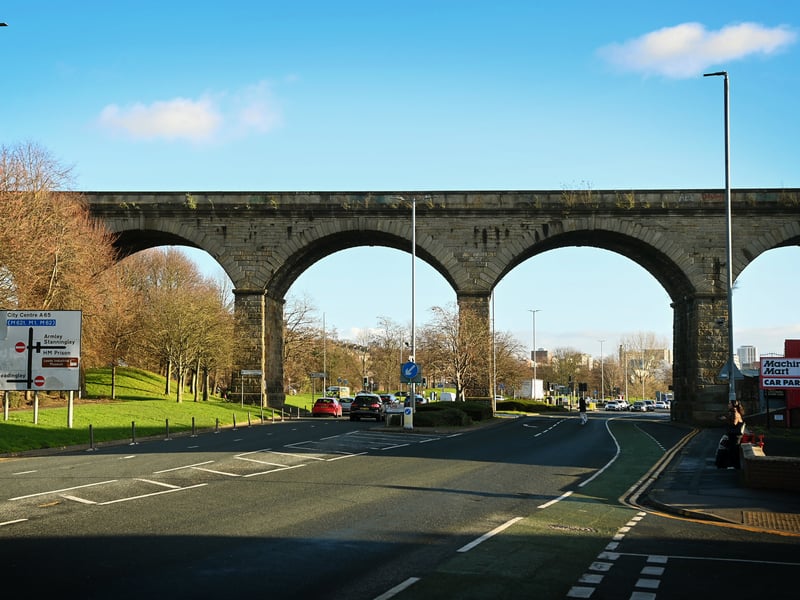
3. Kirkstall Road
A17 Kirkstall Road is the joint 7th most polluted of the 9 monitoring sites for which Leeds City Council has published air quality data for 2023. The 19µg/m3 annual mean concentration of nitrogen dioxide (NO2) recorded there in 2023 is nearly double the WHO's recommended limit, but less than half the UK legal limit of 40µg/m3. NO2 levels at the site have decreased from 32µg/m3 in 2017. | YPN Photo: Jonathan Gawthorpe
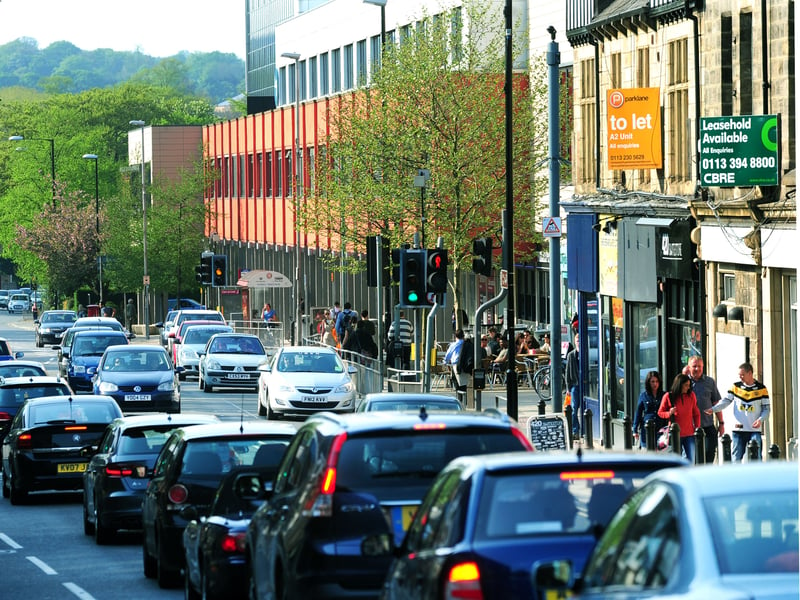
4. Headingley
A3 Headingley is the 6th most polluted of the 9 monitoring sites for which Leeds City Council has published air quality data for 2023. The 21µg/m3 annual mean concentration of nitrogen dioxide (NO2) recorded there in 2023 is more than double the WHO's recommended limit, but only just over half the UK legal limit of 40µg/m3. NO2 levels at the site have decreased from 35µg/m3 in 2017. | YPN Photo: Jonathan Gawthorpe
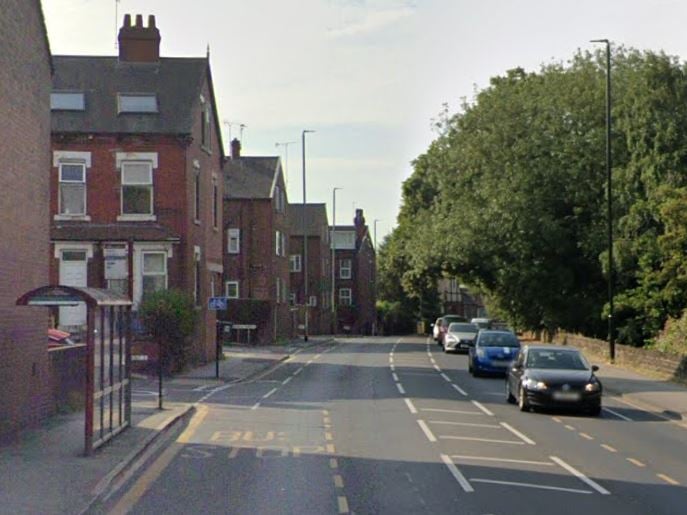
5. Abbey Road
A22 Abbey Road is the 5th most polluted of the 9 monitoring sites for which Leeds City Council has published air quality data for 2023. The 29µg/m3 annual mean concentration of nitrogen dioxide (NO2) recorded there in 2023 is nearly three times the WHO's recommended limit, but well under the UK legal limit of 40µg/m3. NO2 levels at the site have decreased from 45µg/m3 in 2017. | Google Photo: Google
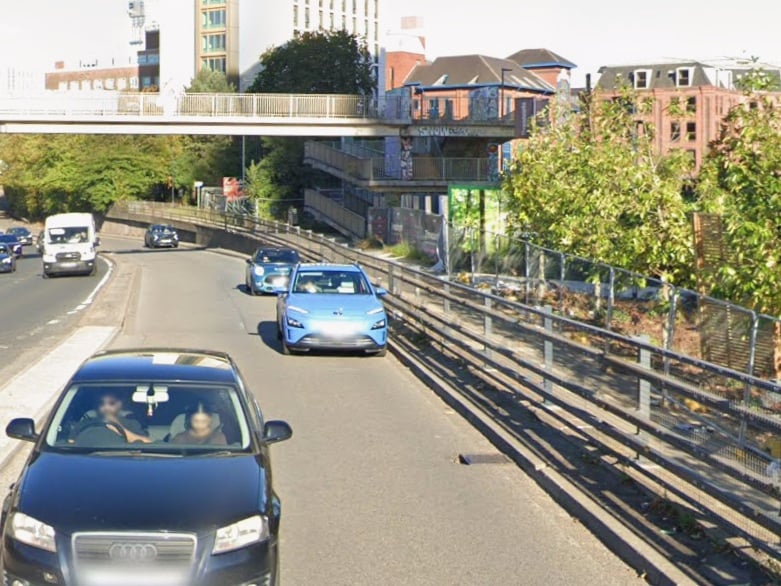
6. Former Leeds International Pool site
A20 Leeds International Pool is the joint 3rd most polluted of the 9 monitoring sites for which Leeds City Council has published air quality data for 2023. The 30µg/m3 annual mean concentration of nitrogen dioxide (NO2) recorded there in 2023 is three times the WHO's recommended limit, but well under the UK legal limit of 40µg/m3. NO2 levels at the site have decreased from 38µg/m3 in 2017. | Google Photo: Google