
'You're not alone': Leeds charity calls for more support for abuse victims following murder

‘Support is available, even if you’re not ready to leave’
A Leeds charity has warned of the devastating consequences of domestic abuse after a man was jailed for life for murdering his partner.
Nik Peasgood, chief executive of Leeds Women’s Aid, told survivors they are “not alone” as she called for more long-term support and suitable housing to help victims escape.
Her comments come after Jack Johns, of School Street, Tingley, was yesterday sentenced to life in prison with a minimum term of 29 years for the murder of his partner Malgorzata Wiktor, known as Gosia.
Gosia, a loving mum, died after suffering significant injuries to her head and face and a stab wound to her chest.
Johns had a history of domestic violence and was described by a judge as an “obsessive, possessive, domineering and unstable individual”.
Nik said the case was a tragic reminder of the potentially fatal consequences of domestic abuse.
She told the Yorkshire Evening Post: “Coercive control, manipulation, isolation and so-called ‘love bombing’ can all be warning signs of abuse, long before any physical violence takes place.”
For many, leaving an abusive relationship is far from straightforward.


Leeds Women’s Aid said it takes survivors an average of five attempts to successfully leave.
Nik said: “When women do try to leave, it is often one of the most dangerous times, as abuse can escalate and lead to further violence, coercive control and stalking.”
Through work at Leeds Women’s Aid, Nik added that victims may also fear losing their children, be financially dependent on their partner or have no access to money. Others face additional barriers because of their immigration status or fear being judged by their communities.
Technology is increasingly being used as another tool of control, with perpetrators using hidden location-tracking applications and smart home devices to monitor and intimidate partners.
Detective Inspector Hannah Dixon, the senior investigating officer in the Jack Johns case, said investigating domestic abuse can be challenging.
Speaking ahead of the sentencing, she highlighted the importance of evidence-led prosecutions and Clare’s Law, and urged victims to come forward to “break the cycle”.
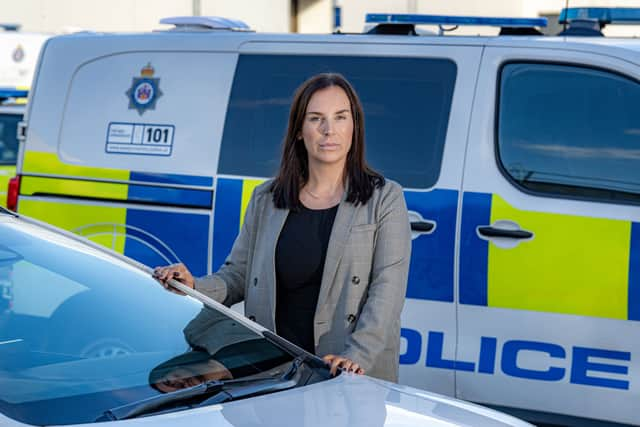
West Yorkshire Police received more than 1,000 domestic abuse-related calls every week, while an estimated one in five adults experience domestic abuse during their lifetime.
Meanwhile, Leeds Women’s Aid directly supported more than 9,500 adults, children and young people across Leeds and West Yorkshire last year, receiving more than 12,500 contacts for support.
Its services include a 24-hour domestic abuse helpline, online chat, emergency refuge accommodation, legal advocacy and specialist support for children and young people.
However, Nik warns that a shortage of suitable housing leaves some women and children facing a holdup when trying to get out.
She said: “Our refuges and safe accommodation services are frequently at capacity, with many women and children facing delays moving on because of the shortage of suitable housing.”
She added that long-term, sustainable funding is essential to ensure specialist services could meet demand and help prevent further tragedies.
For friends and family concerned about someone experiencing abuse, her advice was to listen, believe them and validate their feelings.
She warned against immediately telling someone to leave, as doing so without a safety plan could put them at greater risk.
Her message to anyone experiencing abuse was: “You are not alone and it is not your fault. Support is available, even if you’re not ready to leave or report what is happening.”
Anyone experiencing domestic abuse, or worried about someone they know, can contact the Leeds Domestic Violence Service’s 24-hour helpline on 0113 246 0401 or email [email protected].
In an emergency, call 999. If you cannot speak safely when calling from a mobile phone, press 55 when prompted to be connected to the police.