
Wakefield Prison makes 'insufficient progress' on prisoner violence after Ian Watkins and Kyle Bevan killings

Inspectors also found that many parts of the infrastructure are in ‘urgent need of repair’
Not enough has been done to protect prisoners at HMP Wakefield following two high-profile deaths at the prison, an inspection has found.


Following the fatal attacks of the paedophile singer of Lostprophets Ian Watkins and child murderer Kyle Bevan in October and November last year, a review was carried out into the high-security prison, commonly referred to as Monster Mansion.
The jury in the trial for Watkins was discharged for legal reasons in May, while three men have been charged with Bevan’s murder.

There had also been two instances of prisoners taking their own lives in the lead-up to the inspection.
The follow-up inspection was carried out in April following a report six months previously in 2025, which found the prison faced “significant challenges” relating to a sharp increase in violence and the deterioration of the infrastructure. There was also staff shortages, which were causing “regime restrictions”.
In his summary, the chief inspector Charlie Taylor said that leaders had deemed that all prisoners were now considered vulnerable and had “reconfigured the population in an attempt to prioritise prisoner safety”.
Leaders had also put further restrictions in place due to safety concerns, meaning prisoners were spending larger periods in their cells, but Mr Taylor said there were “early signs of improvement” with leaders “making better use of spaces” for classrooms and workshops.
He added that there had also been “significant changes” to the leadership team with the arrival of a new deputy governor and four other senior leaders, and inspectors who were “more visible” around the prison than previously found.
Key findings
The report says that out of eight key areas of concern raised at the previous inspection, good progress had been made in two, while the other six showed either “insufficient” or “no meaningful progress”.
It found that though the two murders since the last visit had happened, prisoner-on-prisoner violence had been down 68% and other measures had had a “really positive impact” on levels of violence.
The prisoners said they felt “much safer” and staff said the environment was “calmer and safer to work in”.
However, violence towards staff had increased, though this was put down to the transfer of prisoners as a result of the changes and the increased tension this had caused in the prison.
Overall, the inspector found there was “insufficient progress” with regards to addressing prisoner violence.
The inspector found that good progress had been made in terms of prisoner isolation, as only one was now self-isolating out of fear for their safety when this number had previously been 12.
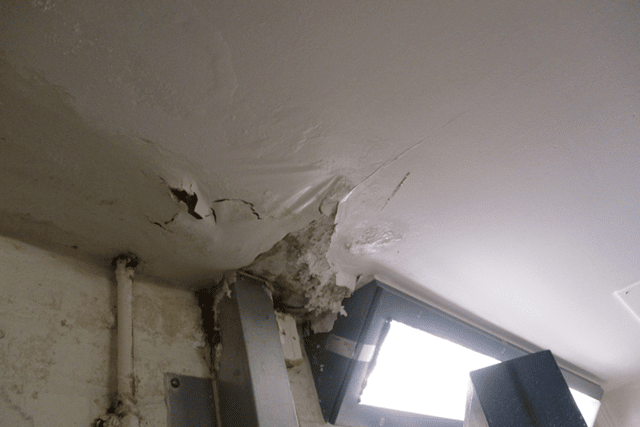
Infrastructure remained in a poor condition, with many key areas in “urgent need” of repair. The prison was still acquiring funding for many of the pending projects.
It was found that the prison had made no progress in terms of health and social care, with primary care clinics having been “considerably reduced”. There had also been no improvement in the mental health provision, with two patients having waited over 300 and 500 days for a secure hospital bed.
The prison had also made “no meaningful improvement” in terms of the health facilities, which “did not meet essential infection prevention control standards”.
They also found that time out of cells for prisoners was “poor” with half “locked up during the working day”.
Ofsted inspections were also carried out, which found that reasonable progress had been made in providing activity spaces and ensuring prisoners have access to education facilities.
Insufficient progress had been made in making the education programmes suitable for those serving long sentences, as well the implementation of an effective reading strategy.
A Ministry of Justice spokesperson said: “Inspectors recognised early signs of improvement at HMP Wakefield, including reduced levels of violence.
“But the prison continues to operate under immense pressure after this Government inherited a system at the peak of its crisis, and we are continuing work to drive forward improvements in key areas like healthcare and infrastructure.”