
Critically endangered crayfish released back into River Wharfe after dramatic riverbed rescue

Critically endangered native crayfish that were rescued from a dried up Leeds river bed have been released back into the wild.
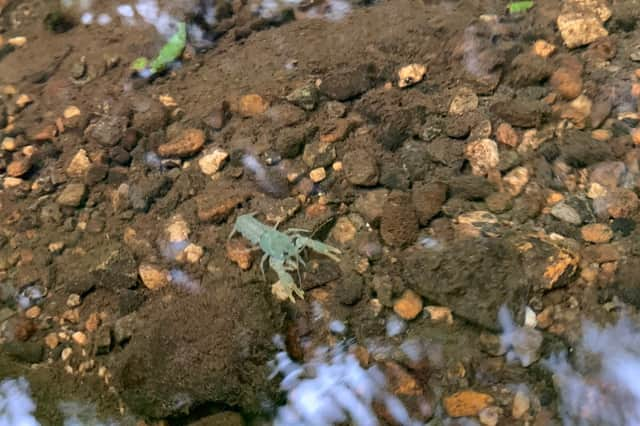
The Environment Agency’s fisheries team carried out an emergency rescue of a previously unknown population of white clawed crayfish at Burley in Wharfedale in July.
This followed a report from a member of the public about crayfish in distress in the watercourse, which was very low due to ongoing drought conditions in the region.
The team successfully rescued 32 adults, including 21 females carrying eggs. They were taken to the Environment Agency’s licensed quarantine facility hosted by York Gate Gardens in Leeds.
Following health checks, the adults, as well as 30 babies that were born in quarantine, have now been released back into the wild, into a tributary of the River Wharfe.
Finding this unknown population was great news, and this will help to support native crayfish conservation work in Yorkshire
The Environment Agency has kept around 30 further babies in quarantine at York Gate Gardens until they grow. Potentially, they may be released back into the original tributary of the River Wharfe at Burley in Wharfedale once water levels improve.

Tim Selway, Environment Agency biodiversity specialist and crayfish expert, said: “This location has been chosen as it is already a known safe site for native crayfish in the Wharfe, as a barrier in the river prevents the invasive American signal crayfish from reaching them.
“We’re hoping this population will breed and support the long-term future of the species.
“Finding this unknown population was great news, and this will help to support native crayfish conservation work in Yorkshire.”
White-clawed crayfish are the UK’s only native, freshwater crayfish. They play a vital role in keeping our waterways clean and as a source of food for other native species.
The species used to be common across Yorkshire but are now critically endangered, largely due to being out-competed by the larger, more aggressive American signal crayfish. The invasive species also carried crayfish plague, which is fatal to the native crayfish.
The Wharfe catchment has long established and extensive populations of the invasive signal crayfish, which puts the native species at risk.
This year saw the driest spring since 1893, and despite recent welcome rainfall Yorkshire remains in drought.
Periods of dry weather and low rivers can have serious consequences for the environment and wildlife and we’d urge people to report fish and wildlife in distress so we can take action.