
Hosepipe ban latest: Yorkshire could experience even worse drought next year, Environment Agency warns

Yorkshire will experience even worse levels of drought next year if this winter is drier than usual, the Environment Agency has warned.
The environmental regulator made the worrying assessment in its Drought Prospects Report, released today, which says the situation across the country remains “precarious”.
Yorkshire is one of several parts of England that is still in drought. This was declared in June by the EA after the driest and hottest spring on record.
In July, Yorkshire Water put in place a hosepipe ban, which is still in place as we head into the winter months.
The latest figures taken on 10 November show reservoir levels have increased to 65.3 per cent overall, however this remains lower than the annual average for this time of year.
There is quite stark local variation. Reservoirs are only half full in Sheffield, while they have hit 74 per cent around Calderdale and Kirklees.
Dave Kaye, director of water services at Yorkshire Water, said: “We’ve seen steady recovery of reservoir levels in recent weeks, but this recovery has been uneven across the region, with reservoirs around Sheffield not seeing the same level of recharge as those in north and west Yorkshire.
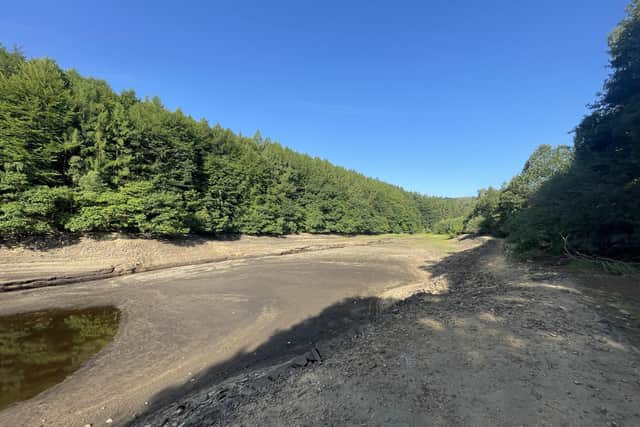

“Total levels remain well below average for this time of year, and we expect this to be the case for some months to come given the extent of the dry, hot weather in the first half of the year.
“Until we have sufficient recovery across all reservoirs, the hosepipe restrictions will remain in place.”
The EA’s report warns that unless rainfall significantly picks up then measures like the hosepipe ban will be commonplace in 2026.
The Met Office has forecast heavy rain tomorrow, but indicated a higher-than-usual likelihood of dry conditions from November to January.
Chief meteorologist Will Lang explained: “While it's not possible to definitively forecast weather for the next three months, the chances of a dry period are higher than normal.”
This could cause drought conditions to worsen, putting significant pressures on the environment and a risk to crop yields.
Director of water at the EA, Helen Wakeham, said: “There will be a drought next year, unless we get sustained rainfall through the winter.
“The severity of that drought will depend both on the weather and the actions we take over winter following this very dry year.”
Water Minister Emma Hardy added: “I welcome the recent rainfall but the prolonged dry weather throughout this year continues to pose risks to public water supplies, farming, and the environment.
“We continue to work with the National Drought Group and water companies to maintain supplies for communities across the country.
“Climate change means we will face more frequent, severe droughts and flooding in the years ahead.
“That’s why this government is taking decisive action to secure our long-term water resilience, which includes building nine new reservoirs and investing in new pipes to reduce leakage.”