
Yorkshire Water applies for drought permit to extract 120m litres from River Wharfe amid hosepipe ban
The Environment Agency is set to decide whether Yorkshire Water can extract 120m litres a day from the River Wharfe to tackle the ongoing shortages amidst the hosepipe ban.
The company has applied for a drought permit, which would allow it to increase its stocks by drawing more water from rivers and preserving reservoirs.
Last week, Yorkshire Water said reservoir stocks had dropped to 42 per cent, well below the normal average of 75 per cent for this time of year.
The company brought in a hosepipe ban on 11 July, after the driest and hottest spring on record.
The EA declared a drought in Yorkshire in June, which has since been described as a “nationally significant incident”.
As well as reservoirs, river flows have also been very low due to the dry weather.
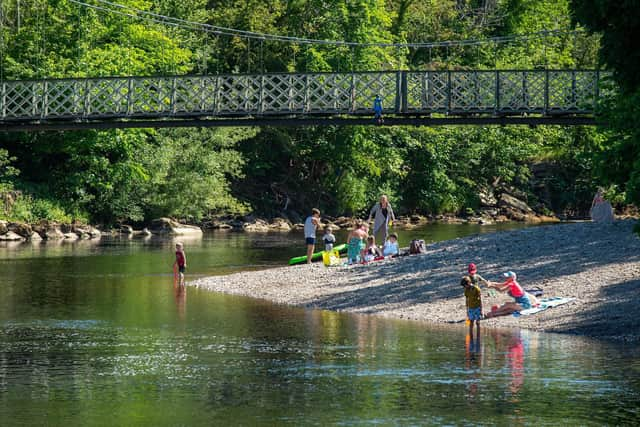
The River Wharfe is “below normal”, according to the EA, and the drought permit would allow Yorkshire Water to withdraw 120m litres a day.
The River Swale and Derwent are both classed as “exceptionally low”, according to the agency.

Professor Becky Malby, chair of the Ilkley Clean River Group, said Yorkshire Water’s request for a drought permit showed “an abject failure of planning”.
“Beyond resorting to legal restrictions on water usage through a hosepipe ban Yorkshire Water has done nothing to prepare for this water shortage, taking no responsibility to support the public to conserve water, and has made no plans to store and conserve water across its network,” she said.
“The regulators must hold Yorkshire water to account for not maintaining its pipes and infrastructure, requiring urgent and rapid action from Yorkshire Water to stop leaks and ensure it has the capacity to do its job.”
Earlier in the summer, Yorkshire Water revealed that 240m litres of water is lost every day through leaks, although this has been reduced by 15 per cent over the past five years. A third of that total is lost by customers.
The hosepipe ban has come amid a spate of controversies for Yorkshire Water.
The firm was fined £40m by Ofwat, the water sector regulator, over its poor environmental record.
The latest figures found that serious pollution incidents almost trebled over the last year.
At the same time, the Government brought in a bonus ban for Yorkshire Water executives over its poor performance.
However, Ofwat is now investigating whether an undisclosed payment of £660,000 to CEO Nicola Shaw from Yorkshire Water’s off-shore parent company, Kelda Holdings, could breach this.
Ms Shaw was paid a total of £1.3m from the Jersey-registered company over the last two financial years, on top of her salary and bonuses which totalled £1.7m.
Yorkshire Water has insisted the payment was for Ms Shaw’s additional work as CEO of Kelda Group, which included “investor engagement, financial oversight, and management”.
“The CEO of Yorkshire Water has spent far too much time managing wealth generation for Kelda Holdings and not enough time managing Yorkshire Water,” Karen Shackleton, Ilkley Clean River Group founder, said.
“Resorting to abstraction is a shocking failure in the management of our water system and we are concerned that Yorkshire Water is not able to deliver its responsibility to provide a resilient and safe water supply.”
Yorkshire Water declined to comment on the drought permit application, which had no objections. A decision will be made by the EA on 24 August.