
'25 Years After 9/11, British Muslims are still living with its shadow' - Dr Qari Asim
Dr Qari Asim is senior Imam at Makkah Mosque Leeds and Co-Chair UK Muslim Network and trustee at British Future
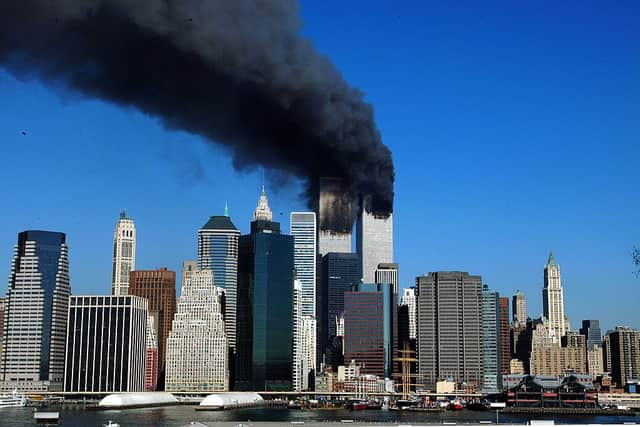
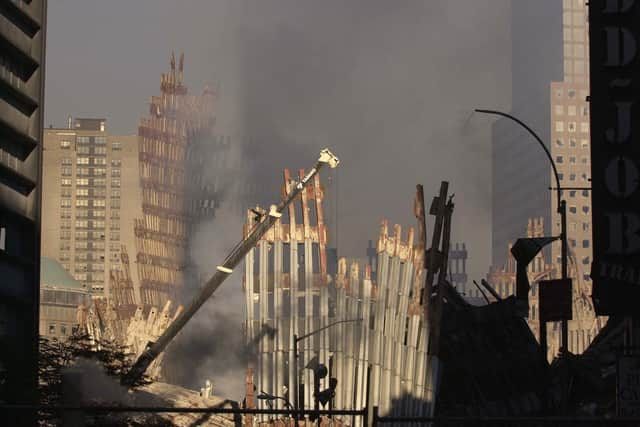
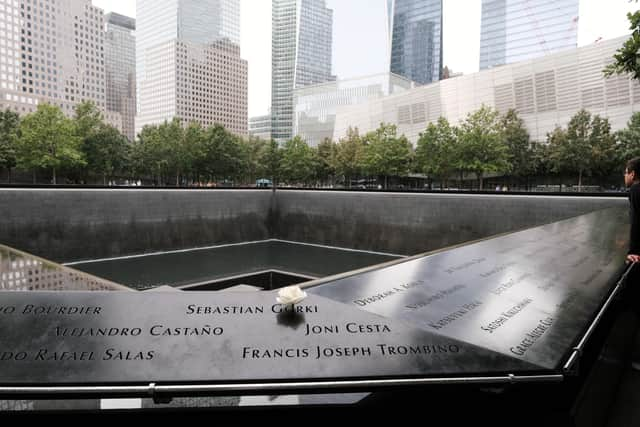
Twenty-five years ago, the murder of nearly 3,000 innocent people on 9/11 horrified the world and left an enduring wound in countless families.
We Muslims mourned, alongside everyone else, including those Muslims who died in that terrorist attacks. Yet the al-Qaeda terrorists attacks also cast a long shadow over almost two billion people who bore no responsibility for them.
A generation later, Muslims still live with the consequences: suspicion, anti-Muslim hostility, discrimination, war and the expectation that they must answer for crimes that betrayed their faith.
Islam unequivocally condemns the murder of innocent people. Muslim scholars and organisations across the globe unequivocally condemned the atrocities. The terrorists did not represent Islam or the Muslims. Nevertheless, the actions of the perpetrators were projected on to a diverse global community.
Muslims horrified by the terrorist attacks were repeatedly required to prove their loyalty, explain their religion and condemn violence they had never supported.
In Britain, 9/11, changed the way Islam and Muslims were perceived. Muslims were no longer portrayed simply as culturally different; they were increasingly framed as a potential security threat.

Religious practice, charitable giving, political activism and criticism of foreign policy could all be interpreted through the language of radicalisation.
Anti-Muslim incidents rose sharply and continue to do so. British Muslims reported verbal abuse, physical assaults and attacks on mosques.
The London bombings of 7 July 2005 deepened this hostile atmosphere. Since 9/11, British Muslims faced a painful double burden: grieving as citizens for victims of terrorism while being viewed with suspicion because the perpetrators claimed to act in Islam’s name.
In the last 25 years, we Muslims have continued to face intrusive questions, greater scrutiny at airports and recurring demands to demonstrate our loyalty to Britain. Visible Muslim identity is too often treated as evidence of separation, while ordinary religious conservatism risks being confused with extremism.
Counterterrorism measures were undoubtedly required. But policies designed to prevent violence have sometimes left Muslim pupils, parents and professionals feeling watched rather than supported. Action against terrorism is essential, but it must be proportionate, consistent, evidence-based and applied without turning an entire faith group into a “suspect community”. Security is weakened when public trust is lost.
A generation of British Muslims has grown up with no memory of the world before 9/11. Many inherited the consequences of an event that occurred before they were born. They have repeatedly seen their religion discussed alongside terrorism, extremism and integration.
Muslim children can still be expected to answer for extremists they reject or to speak for a complex global faith.
The hostility intensified after 9/11 has evolved globally and, in some quarters, become normalised. Social media allows conspiracy theories, dehumanising language and false claims to spread rapidly. Rhetoric from political corridors sections of the media, and far-right influencers is presenting Muslims as a demographic, cultural or security threat, creating an atmosphere in which abuse appears permissible.
Across Europe, the EU Agency for Fundamental Rights reported in 2024 that 47 per cent of Muslim respondents had experienced racial discrimination in the previous five years. Rates were especially high in Austria, Germany and Finland. Muslims reported barriers in employment and housing, while young women wearing religious clothing faced particular disadvantage. The murder of 51 worshippers at two Christchurch mosques in 2019 showed where unchecked Islamophobia can lead.
Mosques in Britain also face threats, vandalism, intimidation and arson. The British Muslim Trust recorded more than 70 attacks on Muslim places of worship in the year to July 2026, roughly one every five days.
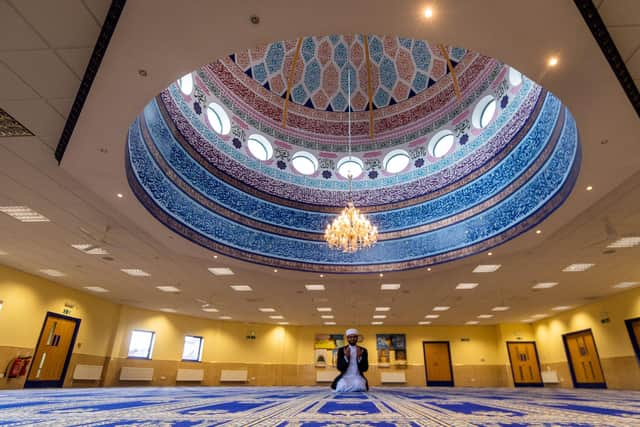
No worshipper should have to fear entering a place of prayer, and no child should have to practise emergency drills at a mosque. Such incidents demonstrate how anti-Muslim prejudice can translate into fear, exclusion and violence against ordinary citizens whose only wish is to practise their faith freely and contribute positively to society.
Beyond Britain, the post-9/11 legacy has been more devastating. The “War on Terror” brought military interventions, mass displacement and destruction to Afghanistan, Iraq, Pakistan, Syria, Yemen and elsewhere. Brown University’s Costs of War project estimates that more than 940,000 people were directly killed in major post-9/11 war zones between 2001 and 2023, almost half of which were civilians.
Millions more are estimated to have died indirectly as conflict destroyed healthcare, infrastructure and access to food and clean water.
At least 37 million people have been displaced.
Acknowledging this legacy does not diminish the victims of 9/11. Remembrance should enlarge our humanity.
We can condemn al-Qaeda’s barbarity while rejecting collective blame.
We can confront terrorism while opposing torture, unlawful warfare and discrimination. These positions arise from the same principle: every innocent life has equal worth.
British Muslims have responded with resilience and service. Mosques have welcomed neighbours, supported vulnerable families and strengthened interfaith relationships. Muslims contribute daily through healthcare, education, policing, the armed forces, charities, business and public service, even while their loyalty is sometimes questioned.
Twenty-five years on, Britain must confront terrorism while protecting civil liberties, opposing hatred against every community and recognising Muslims not as permanent suspects, but as equal citizens and partners in our shared future.
By applying the same standards to all, we honour the victims of 9/11, uphold the values of justice and ensure that future generations inherit a world guided not by fear or prejudice, but by fairness, accountability and our shared humanity.