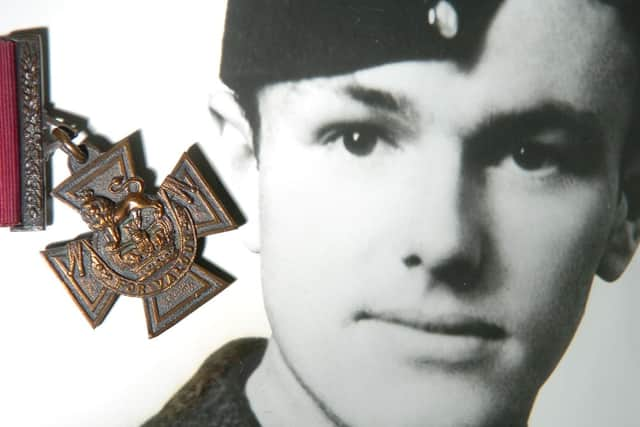
He died of his wounds received while on operations in the Middle East and was posthumously awarded the Victoria Cross in November 1943.
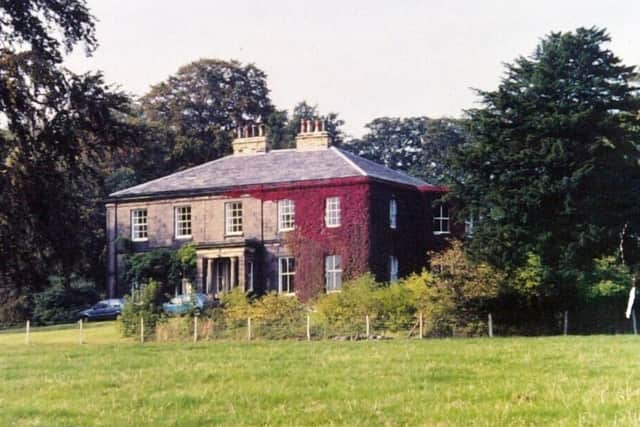
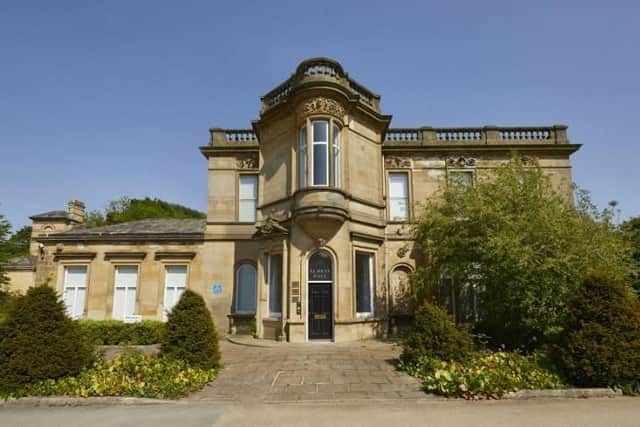
Ancestral home of a Leeds dynasty which has links to Kate Middleton and Sir Thomas Fairfax, who helped win English Civil War for Oliver Cromwell. Today the mansion is used as offices but it was once the family home of the Luptons.
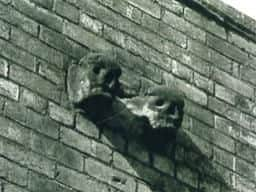
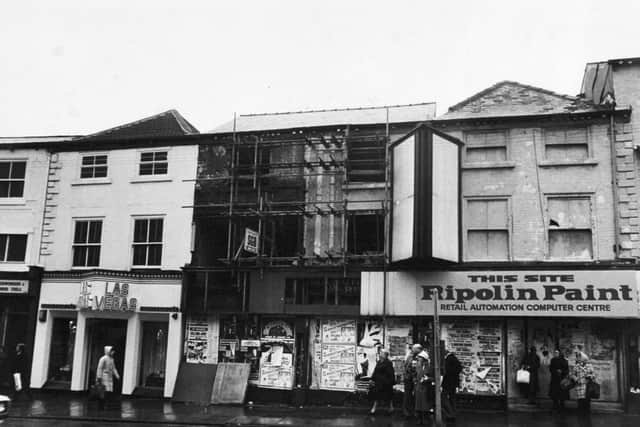
They once adorned part of the the former Crown and Fleece Inn in the cut-through between Kirkgate and the Corn Exchange.
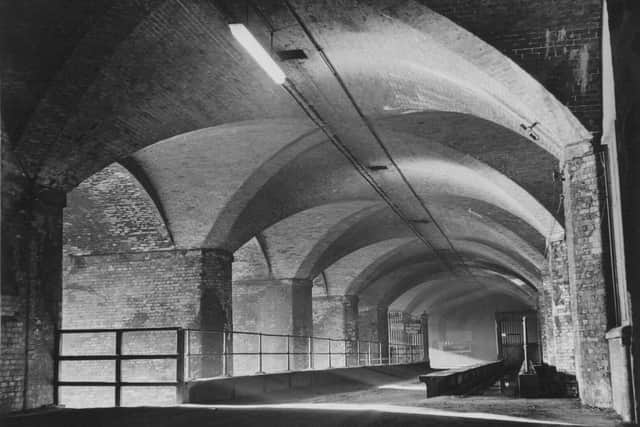
They date back to the 1860s and the construction of the New Station as it was then called (now City Station). They extend to some 80,000sq ft and are made up of about 18m bricks.
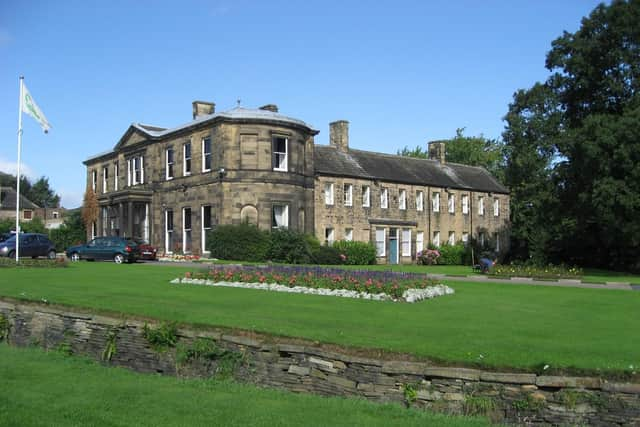
Purchased by Leeds Corporation in 1926 from Sir Edwin Airey (18781955) for 23,000. Airey was an industrialist who helped pioneer the use of prefabricated houses made from concrete slabs during and after the Second World War.
It was in the woods surrounding this old hall that the notorious Farnley Wood Plot took place in 1663, when conspirators met in a bid to overthrow the recently enthroned Charles II but they were caught.
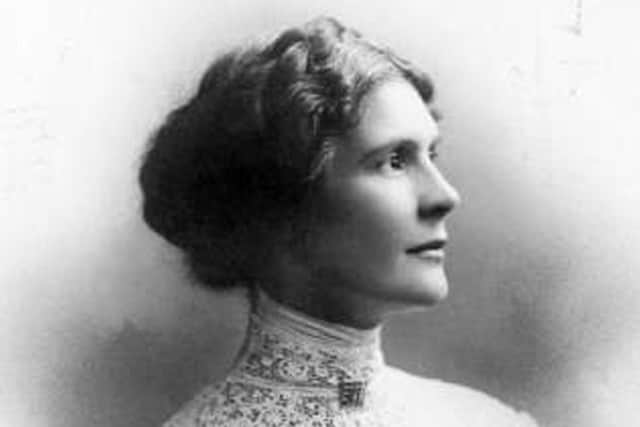
A Suffragette born in Leeds. She became a pupil teacher aged just 13 and was qualified by the age of 21. She became active in her trade union and a supporter of the Independent Labour Party, where she was proven to be a fluent speaker.
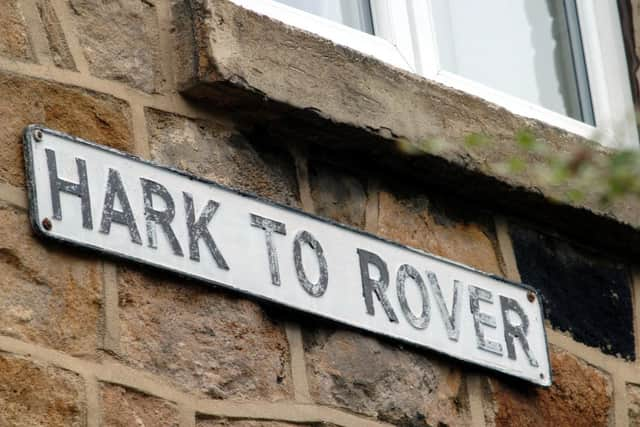
The name is attached to the row of cottages at 90, 92 and 94 Morris Lane, opposite Abbey Walk. Various myths abound over the origin of the name, including that it derived from a dog with a loud bark.
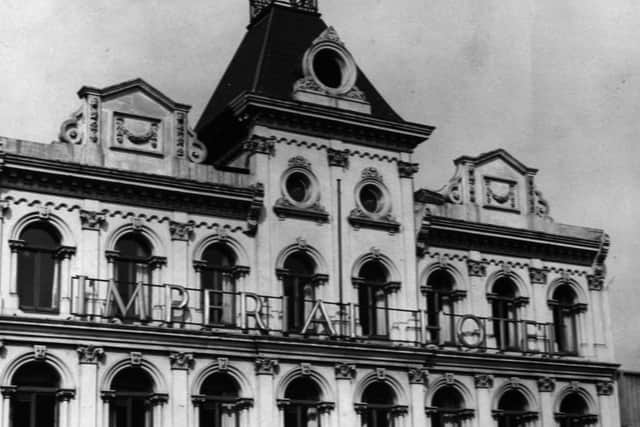
Formerly on Briggate, it closed in March 1961, after which it was demolished, bringing to an end its 80 year history. The last night was a rancourous affair, with many of its past guests booking in to experience its final night.
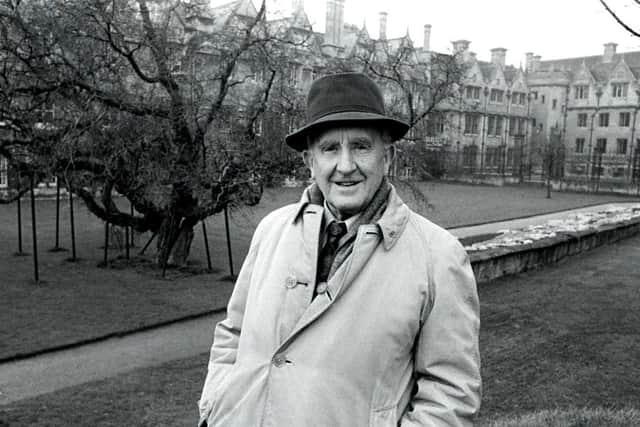
Lord of the Rings creator was taught at the English department at Leeds University. He came to live in the city with wife Edith. They lived briefly at Hollybank, just north of Shaw Lane, after which they moved to Woodhouse.
One of the oldest streets in Leeds. It has existed for well over a thousand years and was at the centre of the original settlement from which the city of Leeds later developed.
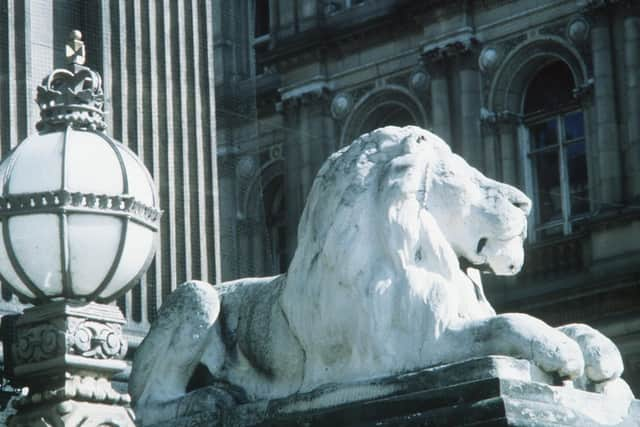
In 1921, Lt Col Kitson Clark had some harsh words for the Leeds Town Hall lions, describing them as extraordinarily poor, mawkish and miserable looking. The lions were carved by William Day Kayworth Jnr at a cost of 550.