
Leeds mum marks ninties cancer breakthrough that led to a life-changing decision
A Leeds woman at high risk of cancer due to the faulty BRCA gene, credits her brave mum for helping her to decide to undergo a potentially life-saving surgery. Rochelle Gold, from Alwoodley, had her breasts and ovaries removed to avoid getting cancer. And now she is backing a Cancer Research UK campaign to help fund more big breakthroughs in research.
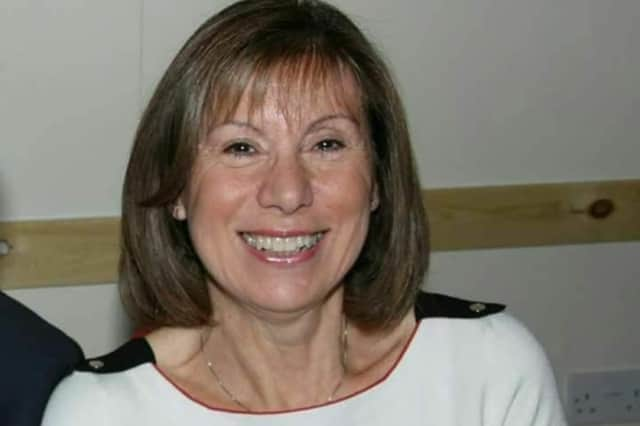
Rochelle had lived in the shadow of the disease after her maternal grandmother was treated for breast cancer and her beloved mum Phyllis Harris was diagnosed in 2013.
Phyllis had been to her GP concerned about her family history after both her parents had been treated for cancer and she was also aware of other members of her family having died of breast and ovarian cancer.
When Phyllis was diagnosed with breast cancer she was devastated. It was only at this point that genetics was mentioned and she subsequently tested positive for both the faulty BRCA1 and BRCA2 genes. When Rochelle was found to carry the faulty BRCA2 gene too, Phyllis felt guilty to have passed on the mutuation.
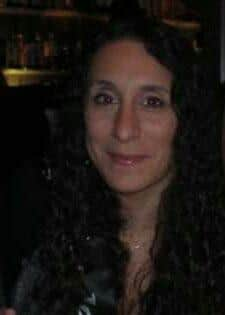

Rochelle felt differently and told her mum that she had potentially saved her life.
Sadly in 2015, two years after her cancer diagnosis, Phyllis was told she had secondary cancerous tumours and died just two weeks later aged 64.
Armed with the knowledge of her genetic mutation and her family history, Rochelle made the life-changing decision to have her breasts removed in 2016, followed by a full hysterectomy the following year.
Thirty years ago this month, Cancer Research UK scientists were at the forefront of the discovery of the BRCA genes – helping to unlock the knowledge that faults in these genes increase people’s risk of developing certain cancers including breast, ovarian, prostate and pancreatic cancers.
As Rochelle’s family knows all too well, around a staggering 70% of women with faulty BRCA1 or BRCA2 genes will develop breast cancer by the age of 80.* And for people of Jewish heritage, like Rochelle, they are at higher risk of carrying faulty BRCA genes therefore may be at higher risk of some types of cancer. This is why NHS England is rolling out a programme to test people with Jewish ancestry for faulty BRCA genes.
Rochelle feels “forewarned is forearmed” and three decades later this incredible gene breakthrough is saving and improving the lives of people like her - now and in the future - by revolutionising how these cancers are prevented, diagnosed and treated.
The 46-year-old mum-of-two credits research with helping to give her a brighter future and that’s why she’s sharing her experience during Breast Cancer Awareness Month to shine a light on how people across Yorkshire can help drive more discoveries by donating monthly to the charity.
Rochelle, who works for the NHS, said: “I always knew that if I had the fault I would have preventative surgery. I’m quite risk averse, and I just wanted to get rid of any body part that could develop the disease.
“I’d already decided that I would have surgery when my results came back and mum dying cemented that.
“There has to be something good that comes from what we’ve been through. I’m very driven by a feeling that if we had known about the BRCA mutation earlier then mum might still be here.”
“When you lose someone through cancer, a part of you goes with them. If you can prevent that from happening, it keeps you whole and keeps your family whole. I want to help keep other families whole.
“The size of the prize that has come from investing in BRCA research over the last 30 years is remarkable. And most important of all, it has given families like ours hope. Advances like this simply wouldn’t be possible without regular monthly donations from the public that keep the charity’s scientists researching month in, month out. This vital work needs our support to help create more ‘Eureka!’ moments.”
Knowing whether someone carries a faulty BRCA gene, can help them to make informed decisions about their health. They could choose to access earlier and more regular cancer screening, make healthy lifestyle changes or take drugs such as tamoxifen or anastrozole - types of hormone therapy Cancer Research UK played a leading role in developing - that block oestrogen from telling cancer cells to grow. Or, like Rochelle, they could decide to undergo preventative surgery to help reduce their cancer risk.
Rochelle added: “Thanks to Cancer Research UK’s life-saving work, I can be the author of my own story without the shadow of cancer hanging over me. Now I live to make every moment count – big or small - and I’m determined to give back by raising vital awareness and funds to help others.”
With around 32,800 people diagnosed with cancer every year in Yorkshire and the Humber region, ** Rochelle’s message is clear – to save lives tomorrow, the charity needs people’s support today.
Cancer Research UK spokesperson for West Yorkshire, Jane Bullock, said: “Together, we are beating cancer. From understanding DNA repair and helping to discover the BRCA genes to developing treatments for faulty BRCA-driven cancers, we’re making huge leaps forward thanks to the generosity of our supporters. So, we’re grateful to Rochelle for helping to highlight the enormous difference a regular income makes to our work.
“It means we can plan ahead, committing to long-term research projects with huge potential to help save more lives. And because of monthly donations we can learn more, faster and accelerate progress.
“We hope people will consider giving regularly to the charity, if they can, because our work isn’t done yet. We want to bring about a world where everybody lives longer, better lives, free from the fear of cancer. No matter who they are or where they’re from.”
Donate monthly to Cancer Research UK at cruk.org/donate