
'We take the cityscape for granted': Meet the man championing Leeds' historic buildings and hidden landmarks
He’s behind the transformation of some of the city’s most important buildings
At first glance, Leeds is a city always looking forward - cranes on the skyline, new developments rising, a place constantly reinventing itself.
But behind that momentum is a quieter story: of the people who have spent decades making sure its past isn’t lost along the way.
Dr Kevin Grady is one of those people.
An economic historian by training, he first encountered Leeds’ past as a student at university, an experience that would go on to shape his life’s work.
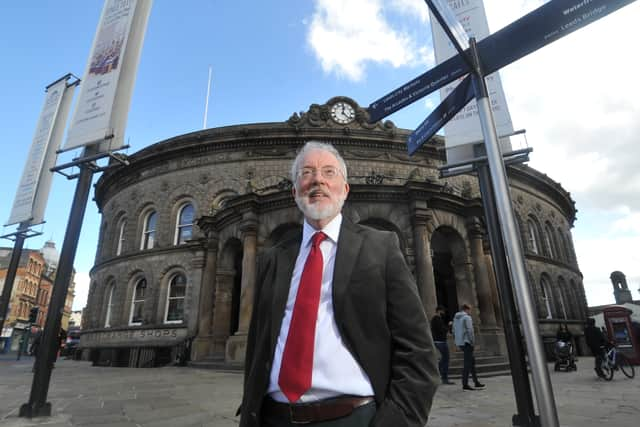

"We had to do a special subject about the history and development of Leeds,’ he said.
“I spent months studying, going to the archives, reading and researching, and that gave me my first real enthusiasm for urban history and Leeds in particular.”
He went on to complete a PhD on the provision of public buildings in the Georgian West Riding, before lecturing in social and economic history at both Leeds and Exeter universities.
But it was his 30-year tenure as Director of Leeds Civic Trust, from 1987 to 2016, that would define his impact, championing good architecture, protecting heritage and helping shape the modern city.
For Dr Grady, one of Leeds’ greatest strengths is something many people pass by every day without noticing.
He said: “People don’t tend to think of Leeds as a historic city, but if you stand in Briggate, what people are photographing is the historic buildings and the arcades.
“We just take the cityscape for granted.”
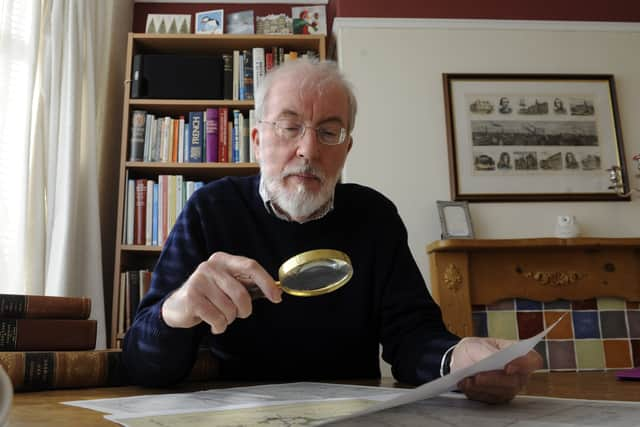
It’s a place, he explains, shaped by constant reinvention, yet always rooted in its past.
“Leeds is a hugely interesting place. It has this wonderful heritage of Georgian, Victorian and Edwardian buildings in the city centre,” he said.
“It was called the City of a Thousand Trades, and we have continued to modernise and adapt.”
Alongside his work with the Civic Trust, he also played a key role in the regeneration of the city’s waterfront as part-time Director of EYE on the Aire, a partnership focused on improving the River Aire corridor.
Dr Grady points to the city’s waterfront regeneration as the change that has impressed him the most.
He said: “There is no doubt that it is the transformation of the waterfront.
“In 1987 it was effectively derelict, but today it has been completely transformed into a vibrant and accessible part of the city.’
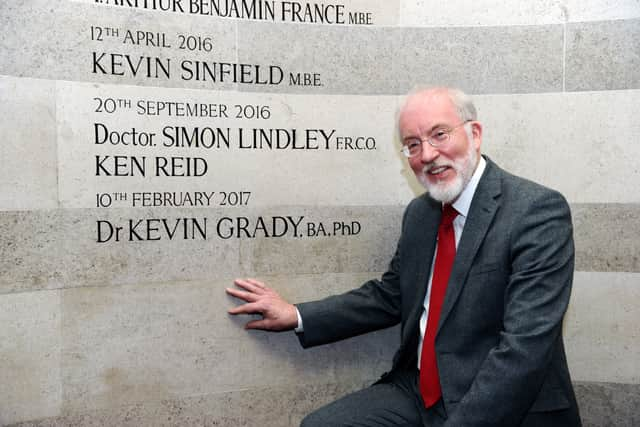
Across decades of campaigning, there are countless buildings and projects tied to his name. But one, in particular, stands apart.
“It would definitely be the First White Cloth Hall,”Dr Grady said.
“That building is fundamentally important because it guaranteed that Leeds would continue as the principal cloth marketing centre in the West Riding.”
Once thought lost and later left to deteriorate, saving it became a defining mission.
“From becoming director, it was one of my key missions to see that building was saved,” he said.
After years of persistence, the hall was eventually restored, one of several major heritage successes he is proud of, alongside helping save Kirkgate Market and securing the listing of Hunslet Mill.
Another of Dr Grady’s most visible legacies is the Leeds Civic Trust blue plaque scheme, which he launched in 1987.
He said: “When I became director, I was told there was a blue plaque scheme, but none had actually been put up.
“The problem was that nobody could confidently write the texts.”
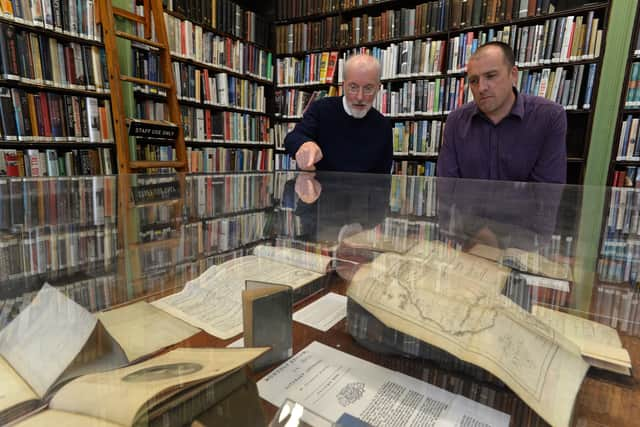
That soon changed.
“Once we got the first plaque up, the scheme gathered momentum, and people are really proud to have them,’ he said.
“The pride you see at unveilings is genuinely humbling.”
Today, more than 300 plaques mark the people, places and moments that have shaped Leeds, each one helping communities connect with their own history.
When it comes to hidden gems, Dr Grady points to Temple Mill in Holbeck, a striking but often overlooked landmark.
“You walk down Marshall Street and suddenly there is an Egyptian temple,” he said.
“Temple Mill is just stunning and undoubtedly the most unique building the city has.”
Despite its significance, it remains largely unseen by many, though he hopes that will change as efforts continue to secure its future.
As well as campaigning and conservation, Dr Grady has introduced thousands of people to Leeds’ past through his writing and lectures.
He has authored and co-authored numerous books, including The Illustrated History of Leeds, and continues to deliver his popular “Leeds in Your Lunch Hour” talks, which regularly draw audiences of more than 200 people.
“I think if you tell a good story about the city, people are interested in how it has developed,’ he said.
“The lectures are about celebrating Leeds, and they have become real events where people come together.”
Looking back, there are many moments he could point to, but one stands out.
He said: “When the city council gave me the Leeds Award and said it was for my contribution to the city, that was a fantastic seal of approval which I am very proud of.”
He was also awarded an honorary doctorate by Leeds Beckett University in recognition of his service to the city, honours that reflect a lifetime of dedication, often involving challenging decisions and difficult conversations.
“I was there to fight for the heritage buildings of the city, and I had to get on with doing what was necessary,” he said.
Now in retirement, he continues his work as a writer and researcher, while also serving as Patron of the Thoresby Society and supporting projects such as the restoration of the Leeds Town Hall organ.
For Dr Grady, heritage is not about standing still, it is about understanding continuity.
“It is about the continuity of life in the place where we live. Keeping historic buildings reminds us how we have evolved and creates a sense of place and belonging,” he said.
And his message for the future is clear.
“Do not rashly demolish buildings without considering their importance,” he said.
“The creation of heritage is a continuing process.”
After a lifetime spent protecting, explaining and celebrating Leeds, his legacy is not just in the buildings saved or the plaques unveiled, but in how people now see their city.
“When you take people around the city centre, they are amazed at what a wonderful place Leeds is,” he said.